



Planning a dream vacation? This comprehensive Costa Rica Travel Guide reveals everything you need for an unforgettable adventure, from hidden beaches to thrilling jungle excursions.
Discover the best routes, budget breakdowns, and essential advice in this detailed resource. We cover top destinations, money-saving strategies, and practical transportation methods to help you craft the perfect getaway while avoiding common tourist traps along the way.
Why You Need a Reliable Costa Rica Travel Guide
Navigating a tropical paradise requires careful planning. A well-structured Costa Rica Travel Guide serves as your roadmap to discovering the best biological reserves, pristine coastlines, and volcanic hot springs. While the country is roughly the size of West Virginia, traversing its winding mountain roads takes much longer than a glance at a map might suggest. Relying on an expertly crafted Costa Rica Travel Guide ensures you maximize your vacation time, stick to your budget, and truly experience the magic of the Pura Vida lifestyle.
This Costa Rica Travel Guide explores everything from renting a car to spotting elusive wildlife. We aim to equip you with actionable strategies so you can confidently navigate local customs, diverse microclimates, and vibrant food scenes.
Crafting Your Ultimate Costa Rica Itinerary
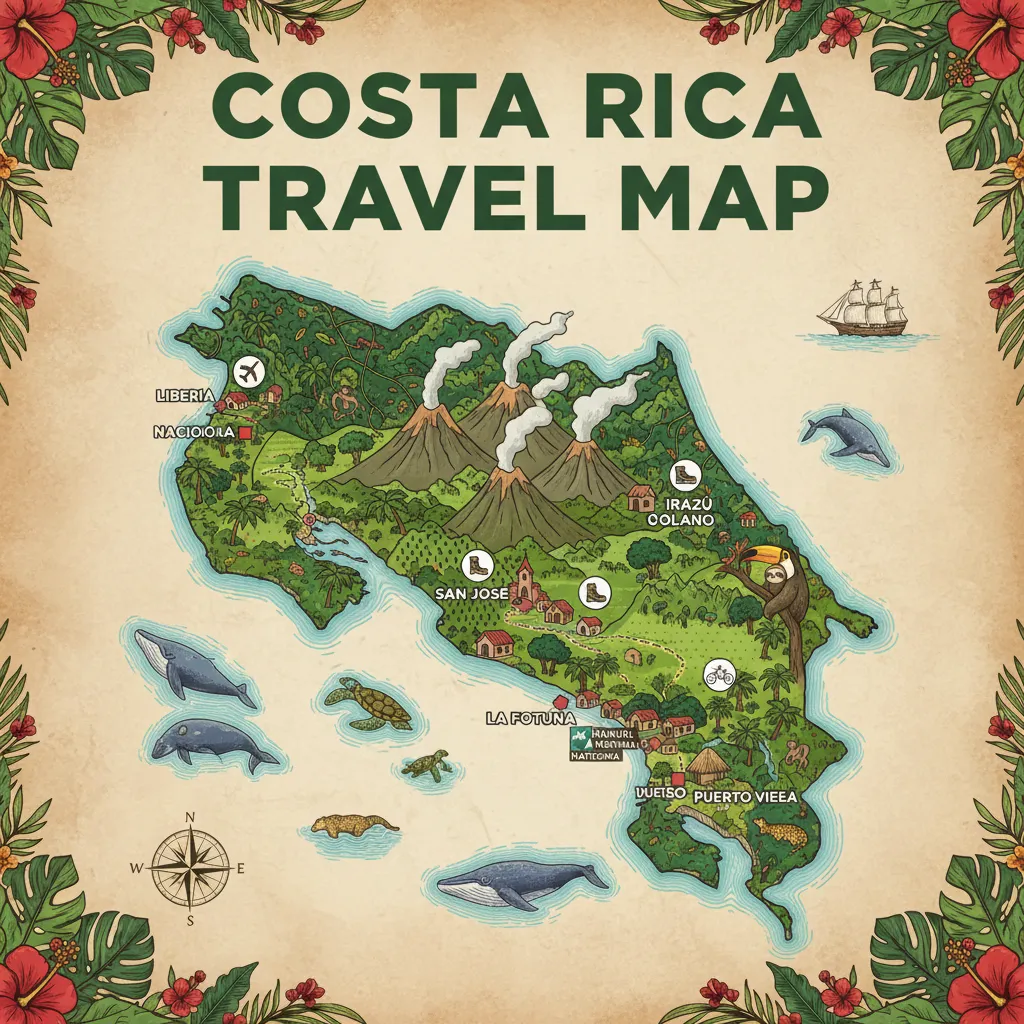
Building the Ultimate Costa Rica Itinerary depends entirely on your travel style. Whether you seek adrenaline-pumping ziplines or serene mornings practicing yoga by the beach, you have endless options.
The 7-Day Highlight Reel
If you only have one week, focus your energy on two main regions to avoid spending your entire trip inside a vehicle.
- Days 1-3: La Fortuna and Arenal. Arrive in San Jose and drive directly to the northern plains. Spend your days hiking around the Arenal Volcano, crossing hanging bridges, and relaxing in natural geothermal hot springs.
- Days 4-6: Manuel Antonio. Drive down to the central Pacific coast. Explore Manuel Antonio National Park, where lush rainforest meets white-sand beaches. This area guarantees incredible wildlife sightings, including howler monkeys and sloths.
- Day 7: Departure. Return to the capital for your flight home.
The 14-Day Deep Dive
Two weeks allow you to add cloud forests and remote surfing villages to your schedule.
- Days 1-3: Rio Celeste and Tenorio Volcano. Marvel at the striking turquoise waters of the Rio Celeste waterfall.
- Days 4-6: Arenal Volcano. Participate in chocolate-making tours and canyoning adventures.
- Days 7-8: Monteverde. Ascend into the Monteverde Cloud Forest. Take a night walk to spot red-eyed tree frogs and tarantulas.
- Days 9-11: Santa Teresa. Take the ferry across the Gulf of Nicoya to the Nicoya Peninsula. Enjoy world-class surfing and stunning sunsets in this bohemian beach town.
- Days 12-14: Nosara. Move further up the Guanacaste coast to experience unparalleled wellness retreats before flying out of Liberia Airport.
Mini-Conclusion: Rushing through destinations ruins the relaxing vibe of a tropical vacation. Pick a few regions and explore them deeply rather than attempting to see the entire country in one trip.
Understanding Vacation Costs and Budgeting
Many visitors falsely assume Central America guarantees a dirt-cheap vacation. A crucial aspect of any honest Costa Rica Travel Guide is setting realistic financial expectations. The cost of living and traveling here closely mirrors parts of North America and Europe.
Daily Budget Comparison Table
|
Expense Category |
Budget Traveler |
Mid-Range Traveler |
Luxury Traveler |
|---|---|---|---|
|
Accommodation |
$25 – $50 (Hostels) |
$100 – $250 (Boutique Hotels) |
$400+ (Resorts/Villas) |
|
Food & Drink |
$15 – $30 (Local Sodas) |
$50 – $100 (Restaurants) |
$150+ (Fine Dining) |
|
Transportation |
$10 – $20 (Public Bus) |
$50 – $100 (Shared Shuttles) |
$100+ (Private Driver/SUV) |
|
Activities |
$10 – $25 (Park Entries) |
$60 – $150 (Guided Tours) |
$200+ (Private Charters) |
|
Daily Total |
$60 – $125 |
$260 – $600 |
$850+ |
Money-Saving Strategies
To stretch your budget, eat where the locals eat. Small restaurants, known as “sodas,” serve massive plates of traditional food called “casados” for just a few dollars. Additionally, utilizing the public bus system rather than booking private transfers saves hundreds of dollars over a two-week trip. Finally, carrying Costa Rican colones instead of US dollars prevents you from losing money on poor exchange rates at small shops.
Top Destinations You Cannot Miss

A comprehensive Costa Rica Travel Guide must highlight the distinct ecological zones that make this nation so special.
The Northern Plains: La Fortuna
La Fortuna serves as the adventure capital of the country. Towering over the town, the perfectly conical volcano provides a stunning backdrop for outdoor activities. Visitors flock here to rappel down waterfalls, paddleboard on Lake Arenal, and soak in volcanic mineral waters. We highly recommend booking a specialized wildlife safari to spot elusive creatures in their natural habitat.
The Misty Highlands: Monteverde
A dramatic shift in climate awaits you in the high-altitude cloud forests. The dense mist clinging to the canopy creates a mystical atmosphere perfect for exploring. Ziplining through the treetops here offers an unparalleled rush. For a slower pace, visit the local butterfly gardens and coffee plantations to learn about the region’s agricultural heritage.
The Pacific Coast: Manuel Antonio and Uvita
If you want guaranteed wildlife encounters combined with ocean swimming, the central and southern Pacific coasts deliver. The national parks here protect critical habitats. Further south in Uvita, you can walk out onto the famous whale-tail sandbar during low tide and take boat tours to witness migrating humpback whales breaching in the warm waters. Always purchase your park admission tickets officially through the Costa Rican System of Conservation Areas (SINAC).
The Caribbean Vibe: Puerto Viejo
The eastern coast offers a completely different cultural experience. Afro-Caribbean influences shape the music, food, and architecture. Rent a beach cruiser bicycle and pedal your way from one spectacular beach to the next, stopping to sample spicy coconut curries and fresh seafood along the way.
Essential Costa Rica travel tips
Reading a Costa Rica Travel Guide prepares you for the logistical realities of international travel. Apply these Costa Rica travel tips to ensure a smooth journey.
Pro Tips and Expert Insights
- Book early: Reserve your rental car and top-tier accommodations months in advance, especially if you plan to visit between December and April.
- Embrace early mornings: The sun rises around 5:30 AM and sets around 5:30 PM year-round. Wildlife is most active at dawn, so shift your schedule to wake up early and maximize your daylight hours.
- Buy travel insurance: Protect your investment. Comprehensive travel insurance covers unexpected medical emergencies and trip cancellations. You can review global health recommendations via the World Health Organization.
- Pack dry bags: Tropical downpours happen suddenly. Keep your electronics safe by storing them in waterproof bags when hiking or taking boat tours.
Common Mistakes to Avoid
- Underestimating drive times: Mountain roads feature steep inclines, deep potholes, and single-lane bridges. A 50-mile drive can easily take three hours. Never base your schedule strictly on a GPS distance estimate.
- Ignoring the rip currents: The Pacific coast boasts incredible surfing waves, but it also hides dangerous rip currents. Always ask locals about water safety before swimming on an unguarded beach.
- Overpacking heavy clothing: The coastal regions remain incredibly hot and humid. Leave the heavy denim at home. Opt for lightweight, moisture-wicking fabrics instead.
- Feeding the wildlife: Offering food to monkeys or raccoons disrupts their natural diet and spreads disease. Observe animals respectfully from a distance.
Mini-Conclusion: Traveling smartly means respecting the local environment and planning for the unexpected. Armed with these strategies, you will navigate the country like a seasoned expert.
Navigating Transportation and Logistics

Figuring out how to get around remains a top priority in any Costa Rica Travel Guide.
Renting a Vehicle
Renting your own car provides ultimate freedom. You can pull over to photograph scenic vistas or change your itinerary on a whim. However, mandatory third-party liability insurance significantly increases the base rental price. We highly recommend renting a 4×4 vehicle if you plan to explore remote beach towns or mountain lodges, as unpaved dirt roads quickly turn into muddy obstacle courses after heavy rain.
Shuttles and Private Transfers
If driving internationally makes you nervous, rely on shared tourist shuttles. Companies operate comfortable, air-conditioned vans between all major tourist hubs. This method removes the stress of navigating unfamiliar roads and dealing with aggressive local traffic. Private transfers cost more but allow you to dictate the departure time and request rest stops along the way.
When Is the Best Time to Visit?
Your experience shifts drastically depending on the month you arrive. A thorough Costa Rica Travel Guide breaks down the two primary seasons.
The Dry Season (December to April)
Most travelers flock to the country during the dry season to escape freezing winter temperatures back home. You can expect endless sunshine and pristine beach conditions. However, this popularity brings massive crowds and peak pricing. Book well in advance if you plan to visit during the holidays or spring break.
The Green Season (May to November)
Locals refer to the rainy months as the green season. The landscapes explode into vibrant emerald hues, and the rivers swell, creating perfect conditions for whitewater rafting. While you will experience daily afternoon showers, you also benefit from discounted hotel rates and empty hiking trails. September and October see the heaviest rainfall, particularly on the Pacific side, but the Caribbean side often enjoys a mini-summer during these exact months.
Culinary Adventures: What to Eat
No Costa Rica Travel Guide is complete without discussing the food. Traditional cuisine focuses on fresh, local ingredients rather than heavy spices.
Start your morning with Gallo Pinto, a hearty mixture of rice and beans sautéed with onions, peppers, and cilantro. Locals typically serve it alongside eggs, sweet plantains, and a thick slice of local cheese. For lunch, order a Casado. This traditional platter features a protein choice—such as grilled fish or stewed chicken—accompanied by rice, beans, salad, and tortillas.
Do not miss the opportunity to tour a working cacao farm. Learning how farmers transform bitter cacao pods into rich, decadent chocolate provides a fascinating look into the country’s agricultural history. Pair your chocolate tasting with a cup of world-renowned local coffee for the ultimate afternoon treat. For official cultural event calendars and food festivals, check the Visit Costa Rica website.
Ensuring Safety and Security
Costa Rica consistently ranks as one of the safest countries in Latin America. The government famously abolished its military in 1948, choosing to invest those funds into education and healthcare instead.
However, petty theft remains the most common crime affecting tourists. Never leave your luggage unattended on the beach while you swim. Lock your rental car doors and hide all valuables out of sight when parking at popular trailheads. Keep a color copy of your passport in your daypack and leave the original document locked securely in your hotel safe. By practicing basic situational awareness, you ensure a stress-free and joyful vacation.
Sustainable Travel and Ecotourism
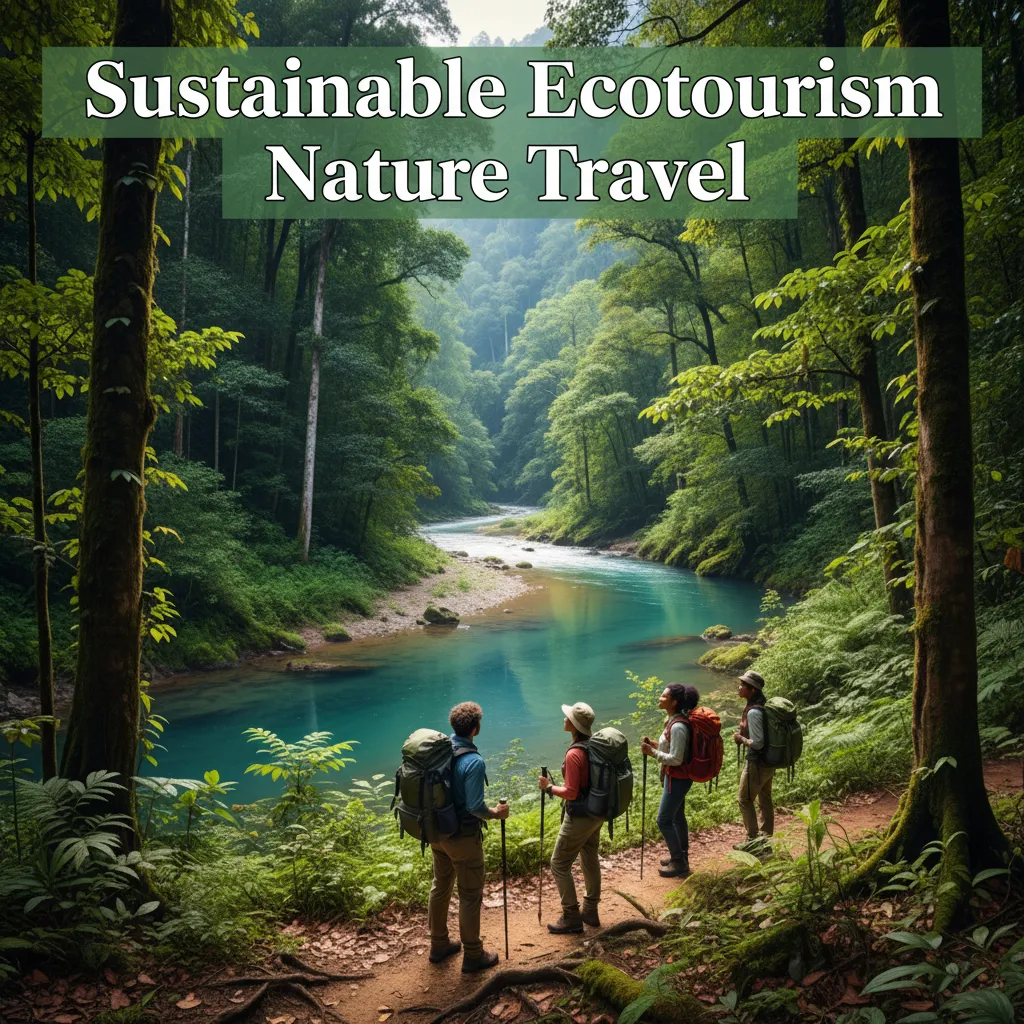
This nation pioneers global ecotourism. Over a quarter of the landmass enjoys protected status as national parks or biological reserves. A responsible Costa Rica Travel Guide encourages visitors to minimize their environmental footprint.
Support the local economy by booking excursions with community-based tour operators. Choose eco-lodges that utilize solar power and rainwater harvesting systems. Carry a reusable water bottle to reduce single-use plastic waste; tap water is perfectly safe to drink in most parts of the country. By making conscious choices, you help preserve this incredible biodiversity for future generations.
Conclusion
We hope this Costa Rica Travel Guide inspires you to pack your bags and experience the wonders of Central America. By crafting a thoughtful itinerary, budgeting wisely, and embracing local customs, you guarantee a spectacular journey. Ready to start planning? Book your flights today and prepare to live the Pura Vida lifestyle!
FAQs
What is the primary currency used in the country?
The official currency is the Costa Rican colón. However, almost all hotels, tour operators, and large restaurants happily accept US dollars. You receive your change in colones, which makes buying small items at local markets very convenient.
Do I need a visa to enter?
Citizens of the United States, Canada, and the European Union do not need a visa for tourist visits lasting up to 180 days. You must present a valid passport and proof of onward travel, such as a return flight ticket, to the immigration officer upon arrival.
Is the tap water safe to drink?
Yes, tap water is safe to drink in most regions, including the capital and major tourist hubs. If you visit extremely remote areas or have a highly sensitive stomach, you might prefer drinking bottled or filtered water just to be safe.
Do locals speak English?
English is widely spoken in all major tourist areas, hotels, and restaurants. However, learning a few basic Spanish phrases shows respect for the culture and helps you communicate with locals in rural communities where English is less common.
What should I pack for a one-week trip?
Pack lightweight, breathable clothing, a durable rain jacket, comfortable hiking shoes, and reef-safe sunscreen. Bring a dry bag for boat tours and plenty of insect repellent to ward off mosquitoes in the humid jungle environments.
Are there dangerous animals I should worry about?
While the jungles house venomous snakes, jaguars, and crocodiles, animal attacks on tourists are exceptionally rare. Always stay on marked trails, hire certified guides for jungle treks, and never attempt to touch or feed wild animals.
How much should I tip tour guides and servers?
Restaurants automatically add a 10% service charge to your bill, so leaving an additional tip is optional but appreciated for excellent service. We recommend tipping tour guides and private drivers around $10 to $20 per day depending on the length of the excursion.
Do I need a 4×4 vehicle to get around?
You do not strictly need a 4×4 if you only plan to visit major destinations connected by paved highways. However, renting a 4×4 is highly recommended if you wish to explore remote coastal towns, cross shallow rivers, or navigate steep mountain roads safely.
Can I use my cell phone during my trip?
You can use your smartphone by purchasing an international roaming plan from your home provider. Alternatively, buy a local prepaid SIM card at the airport or download an eSIM if your phone supports it, which often provides much cheaper data rates.
What does Pura Vida mean?
Pura Vida translates literally to “pure life.” Locals use it as a greeting, a farewell, and a general expression of gratitude and optimism. It embodies the relaxed, joyful, and peaceful culture that makes the country so welcoming to visitors.


Sustainable Travel Advisor with over 10 years of experience designing eco-friendly itineraries and leading community-based tours worldwide. Holds a degree in Environmental Science and training in conservation. Writes about low-impact travel, protecting biodiversity, and creating authentic cultural experiences.






No Comments