


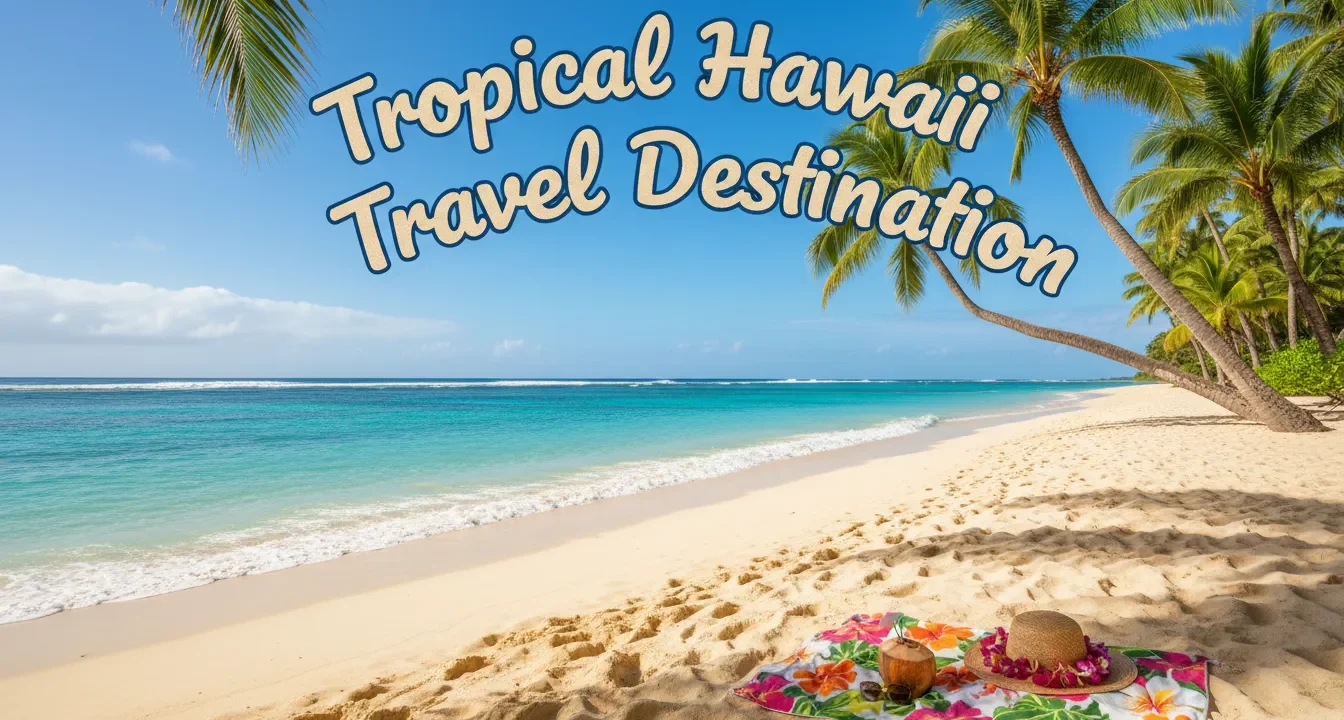
This comprehensive Hawaii Travel Guide covers everything you need for a spectacular island getaway. You will discover tailored itinerary ideas, the best places to stay, expert travel tips, and crucial mistakes to avoid during your vacation.
Welcome to your ultimate Hawaii Travel Guide. Planning a trip to the Aloha State requires insider knowledge to uncover the most breathtaking beaches, hidden waterfalls, and authentic cultural experiences.
Why a Comprehensive Hawaii Travel Guide is Essential
Planning a Hawaiian vacation feels exciting, but the sheer number of options can overwhelm even seasoned travelers. Every island offers a distinct personality, climate, and array of activities. A well-researched Hawaii Travel Guide helps you navigate these choices, ensuring you maximize your time and budget. Relying on a dependable Hawaii Travel Guide prevents you from missing out on hidden gems and protects you from common tourist traps.
You might wonder how to divide your time between lounging on pristine sands and trekking through dense rainforests. Using a Hawaii Travel Guide clarifies these decisions. It provides a roadmap for balancing relaxation with adventure. Whether you want to snorkel with sea turtles or witness a glowing volcano, a structured Hawaii Travel Guide points you in the right direction.
Choosing Your Island: A Hawaii Travel Guide Breakdown

The first step in any reliable Hawaii Travel Guide is selecting the right island. Each destination caters to different travel styles, budgets, and interests.
Oahu: The Gathering Place
Oahu blends vibrant city life with stunning natural beauty. This island serves as the primary gateway for most visitors, making it a staple in any Hawaii Travel Guide. Here, you can explore the historic streets of Honolulu, pay your respects at Pearl Harbor, and surf the legendary waves of the North Shore. Oahu offers the most diverse dining and nightlife scenes in the state.
Maui: The Valley Isle
If your goal is romantic luxury and outdoor exploration, this Hawaii Travel Guide highly recommends Maui. Known for its world-class resorts and the famous Road to Hana, Maui provides a perfect balance of comfort and thrill. You can watch the sunrise from the summit of Haleakala National Park or snorkel in the crystal-clear waters of Molokini Crater.
Kauai: The Garden Isle
Nature enthusiasts consistently praise Kauai. As the oldest Hawaiian island, it features dramatic landscapes that seem untouched by time. Your Hawaii Travel Guide itinerary should include a boat tour along the towering sea cliffs of the Na Pali Coast and a hike through Waimea Canyon. Kauai is quieter and less commercialized, offering a deeply tranquil retreat.
The Big Island: The Island of Hawaii
The Big Island boasts incredible ecological diversity. You can experience eight different climate zones, from snowy mountain peaks to black sand beaches. A top highlight in this Hawaii Travel Guide is Hawai’i Volcanoes National Park, where you can observe active lava flows. The Big Island is also the premier destination for night snorkeling with manta rays.
Island Comparison Table
|
Island |
Best For |
Vibe |
Top Attraction |
|---|---|---|---|
|
Oahu |
Nightlife, History, Surfing |
Bustling, Urban, Historic |
Waikiki Beach |
|
Maui |
Honeymoons, Scenic Drives |
Romantic, Upscale, Adventurous |
Road to Hana |
|
Kauai |
Hiking, Nature, Seclusion |
Lush, Rugged, Quiet |
Na Pali Coast |
|
Big Island |
Volcanoes, Diverse Ecosystems |
Expansive, Wild, Unique |
Volcanoes National Park |
The Ultimate Hawaii Travel Guide: Itinerary Ideas
Crafting a perfect schedule requires careful planning. This Hawaii Travel Guide offers two popular Hawaii itinerary ideas to help you organize your days effectively.
7-Day Oahu and Maui Itinerary
This week-long plan combines the cultural hubs of Oahu with the natural splendor of Maui.
Day 1-3: Exploring Oahu
Begin your journey in Honolulu. Spend your first day relaxing on Waikiki Beach and adjusting to the time zone. On day two, hike to the top of Diamond Head State Monument for panoramic coastal views, then visit Pearl Harbor in the afternoon. Reserve day three for a scenic drive to the North Shore. Grab garlic shrimp from a local food truck and watch professional surfers tackle massive winter swells.
Day 4-7: Magic in Maui
Take a short morning flight to Maui. Dedicate day five entirely to the Road to Hana, stopping at black sand beaches and hidden waterfalls. Use day six to embark on a morning snorkeling excursion to spot Hawaiian green sea turtles. Conclude your final day by relaxing at one of the best Hawaiian beaches in Wailea before enjoying a traditional oceanfront luau.
10-Day Adventure on Kauai and the Big Island
For travelers seeking raw nature and outdoor thrills, this Hawaii Travel Guide suggests pairing Kauai with the Big Island.
Day 1-4: The Wonders of Kauai
Arrive in Lihue and head straight to the North Shore. Spend a full day hiking the Kalalau Trail for unmatched coastal vistas. On day three, book a catamaran tour along the Na Pali Coast. Dedicate your final day on Kauai to exploring Waimea Canyon, often called the Grand Canyon of the Pacific.
Day 5-10: Discovering the Big Island
Fly into Kona and settle into your resort. Spend day six exploring local coffee farms and tasting world-famous Kona coffee. On day seven, drive to Hawai’i Volcanoes National Park to hike through ancient lava tubes. Day eight is perfect for exploring the lush waterfalls near Hilo, including Akaka Falls. Wrap up your trip with a magical night snorkel alongside giant manta rays off the Kona coast.
Top Places to Visit: Hawaii Travel Guide Must-Sees

No Hawaii Travel Guide is complete without highlighting the absolute best destinations across the islands.
Hanauma Bay Nature Preserve (Oahu)
This protected marine life conservation area offers some of the best beginner snorkeling in the world. You will swim alongside vibrant tropical fish and colorful coral reefs. Because it is highly protected, you must secure reservations in advance.
Haleakala National Park (Maui)
Towering over 10,000 feet above sea level, Haleakala provides an otherworldly landscape. The summit sunrise is a spiritual experience. This Hawaii Travel Guide strongly advises booking your sunrise vehicle reservation weeks ahead of your trip through the National Park Service.
Waimea Canyon (Kauai)
Stretching 14 miles long and over 3,600 feet deep, Waimea Canyon features deep reds and lush greens that create a visual masterpiece. Numerous lookout points allow you to enjoy the view without embarking on strenuous hikes.
Punalu’u Black Sand Beach (Big Island)
Created by volcanic activity, the jet-black shores of Punalu’u are striking. This beach is also famous for the large sea turtles that frequently bask on the warm sand. Remember to keep a respectful distance from these protected animals.
Expert Hawaii Travel Guide Tips for a Seamless Trip
Navigating the islands smoothly requires local insight. This Hawaii Travel Guide provides practical advice to elevate your vacation experience.
Getting Around the Islands
Renting a car is essential for exploring Maui, Kauai, and the Big Island. While Oahu has a reliable public bus system, a rental car still provides the freedom to explore the North Shore at your own pace. Always book your rental vehicles months in advance, as island inventory frequently runs out during peak seasons.
Weather and Packing
The weather remains tropical year-round, but microclimates exist on every island. Pack lightweight, breathable clothing, but include a warm jacket if you plan to visit high elevations like Haleakala or Mauna Kea. This Hawaii Travel Guide also emphasizes packing reef-safe sunscreen to protect delicate marine ecosystems.
Pro Tips
- Book Early: Secure your flights, accommodations, and popular excursions at least four to six months ahead of time.
- Embrace Aloha Time: Island life moves at a slower pace. Practice patience, relax, and let go of strict schedules.
- Respect the Land (Aina): Pick up your trash, stay on marked trails, and never touch or disturb wildlife.
- Try Local Food: Step away from resort restaurants and visit local food trucks, farmers’ markets, and neighborhood diners.
Common Mistakes to Avoid on Your Hawaiian Vacation
Even the best-planned trips can face hiccups. This Hawaii Travel Guide highlights frequent errors travelers make so you can bypass them entirely.
Overpacking Your Itinerary
Many visitors try to cram too many activities into a single day. Island hopping takes time, and driving around the islands often takes longer than GPS apps suggest due to winding roads and traffic. This Hawaii Travel Guide recommends planning one major activity per day and leaving the rest of the afternoon for spontaneous exploration.
Ignoring Ocean Safety
The Pacific Ocean is powerful and unpredictable. Never turn your back on the ocean, as rogue waves can strike suddenly. Always swim at beaches with lifeguards on duty, and heed all warning signs regarding strong currents or jellyfish.
Stepping on Coral Reefs
Coral reefs are living organisms vital to the ocean’s health. Standing on them causes severe damage and can result in nasty cuts and infections. Always float above the reef or stand only in designated sandy areas when snorkeling.
Only Staying in Waikiki
While Waikiki is vibrant and fun, confining your trip to this single neighborhood deprives you of Hawaii’s true natural beauty. Rent a car and venture out to experience the secluded beaches, dramatic mountains, and local communities that make the islands special.
Hawaii Travel Guide to Dining and Cuisine
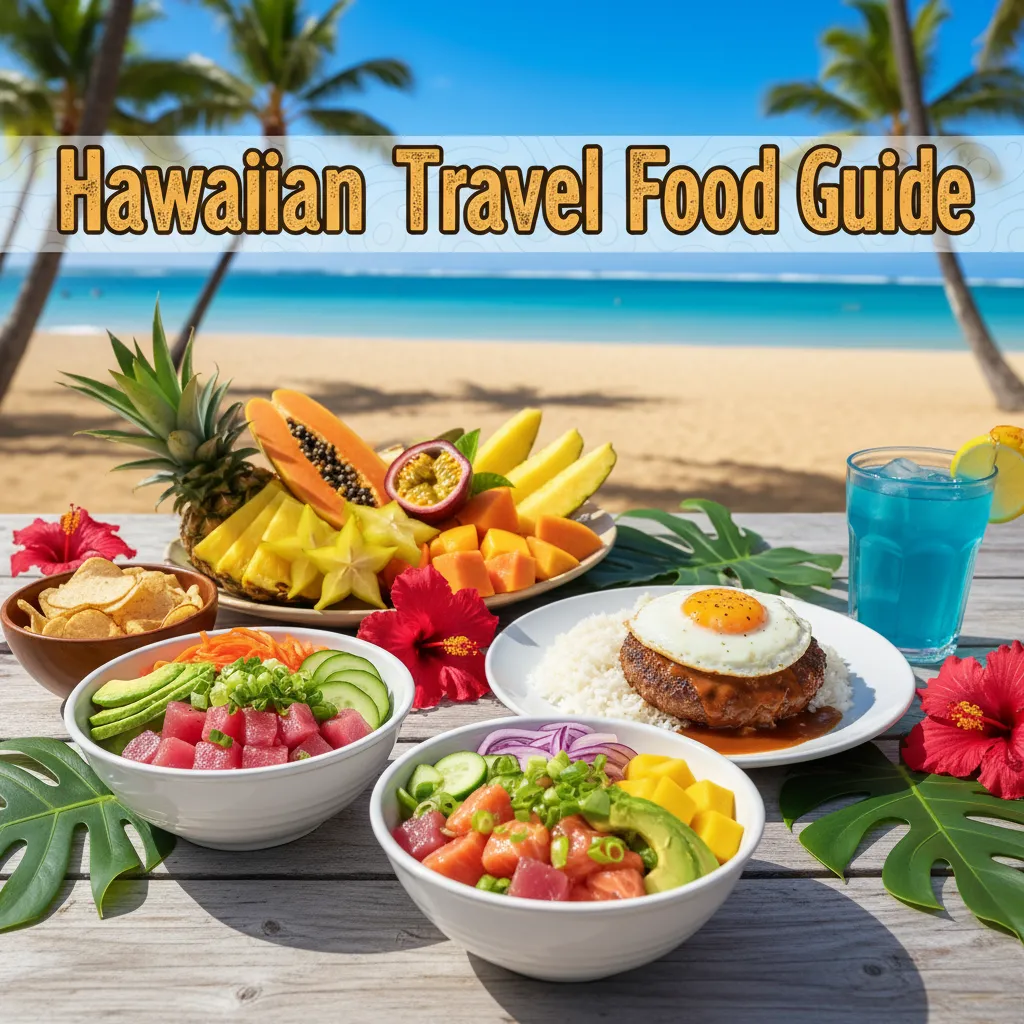
Hawaiian cuisine is a rich melting pot of cultures, blending Native Hawaiian, Japanese, Chinese, Filipino, and Portuguese influences. Your Hawaii Travel Guide journey must include tasting these unique flavors.
Poke: This beloved dish features cubed, raw fish (usually tuna) marinated in soy sauce, sesame oil, and onions. You can find incredible poke in local grocery stores and dedicated poke shops.
Plate Lunches: The ultimate Hawaiian comfort food. A standard plate lunch includes two scoops of white rice, one scoop of macaroni salad, and a hearty protein like kalua pork, chicken katsu, or teriyaki beef.
Malasadas: A Portuguese deep-fried dough pastry coated in sugar. Bakeries across the islands serve them hot and fresh, often filled with tropical custards like passion fruit or coconut.
Shave Ice: Not to be confused with a snow cone, genuine Hawaiian shave ice is delicate and fluffy. It absorbs sweet, colorful syrups perfectly. Order yours with a scoop of macadamia nut ice cream on the bottom for an authentic treat.
Cultural Etiquette: Being a Mindful Traveler
An excellent Hawaii Travel Guide emphasizes the importance of respecting local culture and traditions. The Aloha spirit thrives on mutual respect and kindness.
Learn a few basic Hawaiian words before you arrive. Saying “Aloha” (hello/goodbye) and “Mahalo” (thank you) goes a long way with the locals. Understand that certain sites are sacred to Native Hawaiians. If a sign asks you not to enter a specific area, respect those boundaries without question.
Support the local economy by purchasing souvenirs from local artisans rather than big-box retailers. When seeking out the best places to stay in Hawaii, consider locally-owned boutique hotels or bed and breakfasts alongside the major luxury resorts.
Adventure Activities to Elevate Your Trip
A standout Hawaii Travel Guide must highlight the thrilling excursions available for adrenaline seekers.
Helicopter Tours
Seeing the islands from the sky offers a perspective you cannot get anywhere else. Helicopter tours over Kauai’s Na Pali Coast or the Big Island’s active volcanoes are awe-inspiring. You will see hidden waterfalls and remote valleys completely inaccessible by foot or car.
Surfing Lessons
Surfing was born in Hawaii. Whether you are visiting Oahu, Maui, or Kauai, booking a beginner surfing lesson is a fantastic way to connect with the ocean. Instructors provide large, stable boards and teach you the basics in gentle, rolling waves.
Zip-lining Through the Canopy
Fly through dense tropical rainforests on a zip-line adventure. Maui and Kauai offer incredible zip-line courses that provide panoramic views of the ocean and mountains as you glide above the treetops.
Navigating Budget and Costs

Hawaii is known for being an expensive destination, but this Hawaii Travel Guide offers strategies to manage your budget effectively.
Plan to visit during the shoulder seasons (mid-April to early June, or September to November) to find cheaper flights and hotel rates. Eating at local food trucks and grocery store deli counters significantly reduces your daily food expenses compared to dining exclusively at resort restaurants.
Take advantage of free activities. Hiking, beachcombing, and watching the sunset cost nothing but provide some of the best memories. The Hawaii Tourism Authority offers excellent resources for finding community events and free cultural festivals during your stay.
Your Hawaii Travel Guide is your key to unlocking the perfect vacation. By carefully selecting your island, planning a balanced itinerary, and respecting the local culture, you guarantee an unforgettable journey. From the bustling streets of Oahu to the quiet canyons of Kauai, the Aloha State promises beauty at every turn. Use this Hawaii Travel Guide to craft a trip filled with adventure, relaxation, and lifelong memories. Start planning your Hawaiian escape today and prepare to experience paradise.
FAQs
What is the best time of year to visit Hawaii?
The best time to visit is during the shoulder seasons, from April to May and September to November. During these months, the weather is fantastic, the crowds are smaller, and you can often find better deals on flights and accommodations compared to the peak summer and winter seasons.
Do I need to rent a car in Hawaii?
Renting a car is highly recommended if you plan to visit Maui, Kauai, or the Big Island, as public transportation is limited. On Oahu, you can get by without a car if you stay in Honolulu and use the bus system, but renting a vehicle is still best for exploring the North Shore.
Is island hopping easy to do?
Yes, island hopping is relatively easy. Several local airlines offer dozens of daily inter-island flights that typically take between 30 and 50 minutes. However, flying does take up valuable vacation time, so this Hawaii Travel Guide suggests only island hopping if your trip is longer than seven days.
What is reef-safe sunscreen, and why do I need it?
Reef-safe sunscreen is made without harmful chemicals like oxybenzone and octinoxate, which cause coral bleaching and damage marine life. Hawaii law bans the sale of non-reef-safe sunscreens, so bringing or buying mineral-based, reef-safe protection is a mandatory part of ocean conservation.
How many days should I spend in Hawaii?
To truly enjoy the experience without feeling rushed, aim for a minimum of seven to ten days. A week allows you to thoroughly explore one island. If you want to visit two different islands, a ten-day to two-week trip is ideal.
Is Hawaii a family-friendly destination?
Absolutely. Hawaii offers endless family-friendly activities, from calm swimming beaches and snorkeling to interactive luaus and accessible hiking trails. Many resorts cater specifically to families with sprawling pool complexes and kids’ clubs.
What should I pack for my trip?
Pack light, breathable clothing, swimsuits, a good hat, and comfortable walking shoes. Include a light rain jacket, as tropical showers are common, and a warmer layer if you plan to visit higher elevations for sunrise or stargazing tours.
Are there dangerous animals in Hawaii?
Hawaii has no large native predators, no snakes, and no poison dart frogs. The main wildlife hazards are in the ocean, including jellyfish, sea urchins, and occasionally sharks. Always pay attention to beach warning signs and lifeguards.
How do I show respect to the Hawaiian culture?
Show respect by keeping your distance from protected wildlife like sea turtles and monk seals. Do not trespass on private or sacred lands, do not remove lava rocks from the islands, and practice kindness and patience with locals and service workers.
What is the most affordable Hawaiian island to visit?
Oahu is generally considered the most budget-friendly island. It has the highest concentration of hotels, a competitive dining scene with affordable options, and the cheapest direct flights from the mainland United States.


Sustainable Travel Advisor with over 10 years of experience designing eco-friendly itineraries and leading community-based tours worldwide. Holds a degree in Environmental Science and training in conservation. Writes about low-impact travel, protecting biodiversity, and creating authentic cultural experiences.








No Comments