



This comprehensive resource covers everything you need for a flawless Parisian adventure. You will discover the optimal times to visit, the finest neighborhoods to stay in, breathtaking attractions, and local dining secrets to maximize both your budget and your experience.
Welcome to your ultimate Paris travel guide. Planning a trip to the French capital might feel overwhelming, but we will make it completely simple, stress-free, and truly unforgettable.
Step 1: Determine the Best Time to Visit Paris
Choosing the right season is the foundation of any great Paris travel guide. The city transforms entirely depending on the weather and the tourist crowds. You want to align your visit with your personal travel goals, whether that means saving money, enjoying warm weather, or seeing the holiday lights.
Spring (April to June)
Spring is arguably the most beautiful time to visit. The weather warms up, and the city’s gardens burst into color. You can walk through the Tuileries Garden and see cherry blossoms framing the historic statues. However, this is also when tourist numbers begin to climb. Expect higher hotel rates and longer lines at major attractions.
Summer (July to August)
Summer brings hot weather and long days, perfect for evening cruises along the Seine. Keep in mind that many locals leave the city for their own vacations in August, meaning some smaller boutiques and family-owned restaurants might close. It is also the peak tourist season, so booking your accommodations and museum tickets well in advance is mandatory.
Fall (September to November)
Fall offers crisp air and stunning autumn foliage. The crowds thin out slightly compared to summer, making it easier to secure reservations at top-tier restaurants. September is particularly pleasant, offering a balance of warm days and cool evenings. This is a favorite season for fashion enthusiasts, as the city hosts Paris Fashion Week.
Winter (December to March)
Winter is cold and often wet, but it carries a unique charm. The holiday markets and festive light displays along the Champs-Élysées are spectacular. If you visit in January or February, you will enjoy the lowest hotel prices of the year and practically empty museums. Just remember to pack heavy coats and waterproof footwear.
Season Comparison Table
|
Season |
Average Temp |
Crowd Level |
Best For |
|---|---|---|---|
|
Spring |
50-68°F |
High |
Gardens, outdoor cafes |
|
Summer |
60-80°F |
Very High |
Long days, river cruises |
|
Fall |
45-65°F |
Medium |
Fall foliage, fashion |
|
Winter |
35-45°F |
Low |
Budget travel, museums |
Mini-Conclusion: For the best balance of pleasant weather and manageable crowds, aim for late April or early October.
Step 2: Establish Your Budget and Packing List
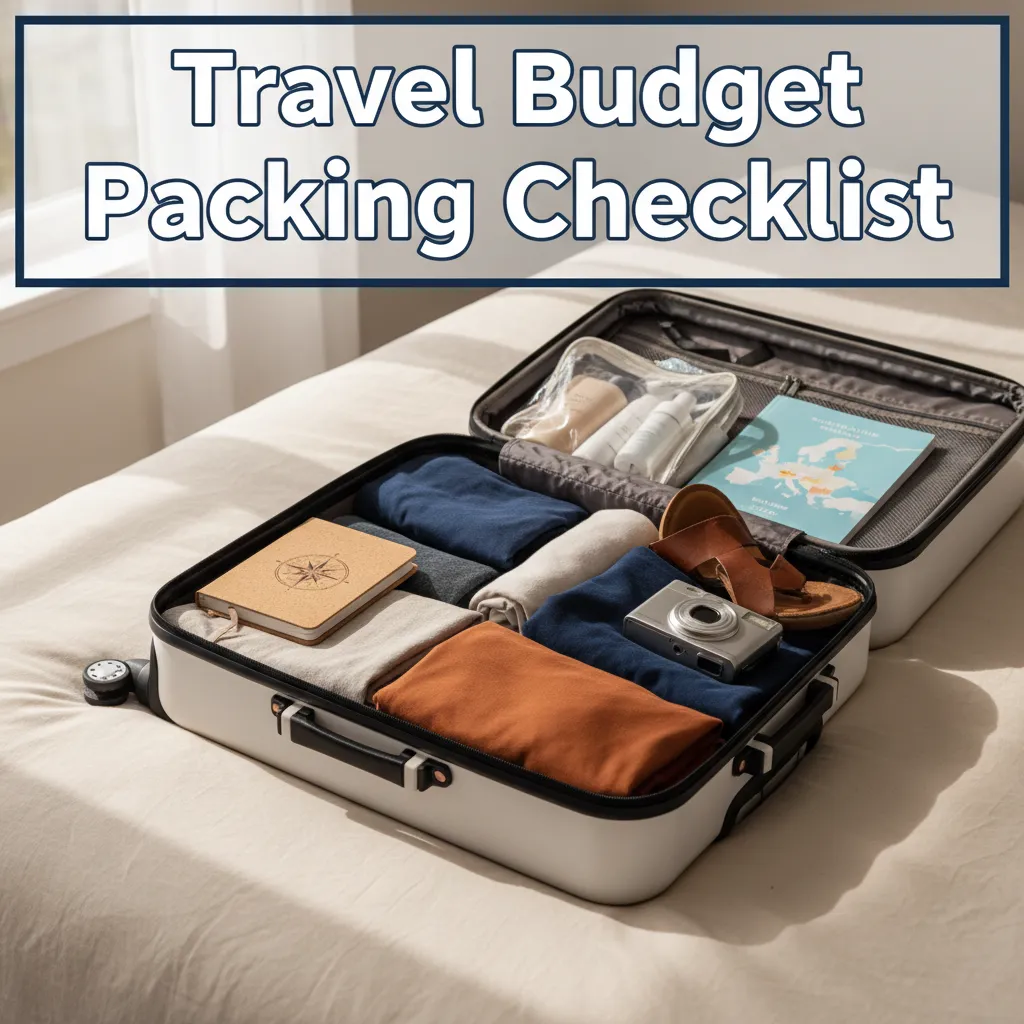
Your Paris travel guide experience relies heavily on how well you prepare. Creating a realistic budget and packing appropriately will save you headaches once you arrive.
Setting a Realistic Budget
Paris caters to all financial levels, but it is generally an expensive city. Backpackers can survive on $70 to $100 per day by utilizing hostels, buying groceries at local markets, and walking everywhere. Mid-range travelers should budget $150 to $300 per day to afford nice boutique hotels, sit-down dinners, and paid museum entries. Luxury travelers can easily spend upwards of $800 per day on five-star accommodations and Michelin-starred dining.
What to Pack
Parisian style is famously chic but comfortable. Leave the sweatpants at home and opt for smart-casual attire.
- Comfortable walking shoes: You will likely walk over 10,000 steps a day. Choose supportive, stylish sneakers or flat boots.
- Layers: The weather changes rapidly. Bring a light sweater or trench coat, even in the summer.
- A universal adapter: France uses Type C and Type E plugs.
- A secure day bag: Pickpocketing happens in crowded tourist areas. Bring a crossbody bag with a secure zipper.
Step 3: Choose the Perfect Arrondissement (Neighborhood)
Paris is divided into 20 administrative districts called arrondissements. They spiral out from the center of the city like a snail shell. Picking the right one is a crucial element of any Paris travel guide.
The 1st Arrondissement: The Historic Center
If you want to be in the absolute center of the action, the 1st is for you. Here you will find the Louvre Museum, the Palais Royal, and luxury shopping along Rue Saint-Honoré. It is highly convenient, but also the most expensive and tourist-heavy area.
The 4th Arrondissement: Le Marais
Le Marais is trendy, historic, and incredibly charming. It features narrow cobblestone streets, hidden courtyards, and fantastic boutique shopping. It is also the hub of the city’s LGBTQ+ community and offers some of the best falafel in the world.
The 6th Arrondissement: Saint-Germain-des-Prés
This is the classic, literary heart of Paris. Famous cafes like Les Deux Magots and Café de Flore sit alongside high-end art galleries. It is upscale, safe, and located near the beautiful Luxembourg Gardens.
The 7th Arrondissement: The Eiffel Tower
If your dream is to wake up and see the Eiffel Tower, stay here. It is a quiet, residential, and affluent neighborhood. While it lacks the late-night energy of Le Marais, it offers unparalleled views and excellent bakeries.
The 18th Arrondissement: Montmartre
For a bohemian vibe, head to Montmartre. This hilly neighborhood was once home to artists like Picasso and Dalí. It offers sweeping views of the city from the steps of the Sacré-Cœur. It is more affordable but requires a bit of a commute to reach central attractions.
Mini-Conclusion: First-time visitors should consider the 4th or 6th arrondissements for the perfect mix of charm, convenience, and vibrant local life.
Step 4: Master Public Transportation

Navigating the city is much easier than it looks. The public transportation system is efficient, safe, and inexpensive. No Paris travel guide is complete without a breakdown of how to get around.
The Métro
The Paris Métro is your best friend. With 16 lines covering the entire city, you are rarely more than a five-minute walk from a station. Buy a Navigo Easy pass at any station and load it with digital tickets. Trains run from 5:30 AM to roughly 1:15 AM (later on weekends).
The RER Trains
The RER is a regional train system that moves faster than the Métro and stops less frequently. You will use the RER to travel to destinations outside the city center, such as Charles de Gaulle Airport, the Palace of Versailles, and Disneyland Paris.
Buses
While the Métro is underground, buses let you see the city as you travel. Bus lines 69 and 72 offer incredibly scenic routes past major landmarks, functioning almost like a cheap sightseeing tour.
Walking
Paris is incredibly compact. You can walk across the entire central area in a couple of hours. Walking allows you to stumble upon hidden cafes, quiet squares, and beautiful architecture that you would miss underground.
Step 5: Explore the Top Attractions
You cannot visit the French capital without seeing its iconic landmarks. This section of our Paris travel guide covers the absolute must-see sights.
The Eiffel Tower
The Iron Lady is the symbol of the city. You can admire it from the Trocadéro, picnic on the Champ de Mars, or ride the elevator to the summit. Book your tickets online months in advance to avoid waiting in line for hours. For a magical experience, watch it sparkle for five minutes at the top of every hour after sunset.
The Louvre Museum
As the largest art museum in the world, the Louvre requires strategy. You will never see everything in one day. Focus on specific wings or artworks, such as the Mona Lisa, the Venus de Milo, and the Winged Victory of Samothrace. Arrive early or visit during evening hours to beat the thickest crowds.
Notre-Dame Cathedral and Sainte-Chapelle
While Notre-Dame is undergoing restoration following the tragic 2019 fire, the exterior remains breathtaking. Just a few blocks away sits Sainte-Chapelle. This stunning Gothic chapel houses the most spectacular stained glass windows in Europe. It is an absolute must-visit.
Musée d’Orsay
Located in a former railway station, this museum holds the world’s largest collection of impressionist masterpieces. You will find incredible works by Monet, Van Gogh, Renoir, and Degas. Many visitors actually prefer the layout and atmosphere here over the massive Louvre.
The Arc de Triomphe
Standing proudly at the top of the Champs-Élysées, the Arc de Triomphe honors those who fought for France. Climb the 284 steps to the top for one of the most stunning panoramic views of the city’s avenues radiating outward in a star shape.
The Palace of Versailles
Take a day trip via the RER C train to see the opulent home of Louis XIV. The Hall of Mirrors will leave you speechless, but the massive, meticulously manicured gardens are equally impressive. Rent a bicycle or a golf cart to explore the vast estate fully.
Step 6: Indulge in the Local Food Scene

French cuisine is celebrated globally, and enjoying it is a highlight of this Paris travel guide. From quick street food to elegant dining, the options are endless.
Bakeries (Boulangeries)
Start your day like a local with a buttery croissant or pain au chocolat from a neighborhood boulangerie. Look for the “Artisan Boulanger” sign, which guarantees the bread is baked fresh on the premises. Grab a traditional baguette to eat as a snack while exploring.
Classic Bistros and Brasseries
For lunch or dinner, visit a classic bistro. Try traditional dishes like steak frites, boeuf bourguignon, or duck confit. Brasseries are typically larger, louder, and open continuously throughout the day, making them perfect for a late lunch.
Sweet Treats
You cannot leave without trying macarons. Pierre Hermé and Ladurée are the two most famous purveyors in the city. Additionally, stop by a crêperie for a warm Nutella or Grand Marnier crêpe cooked right in front of you on the street.
Grocery Stores and Markets
To save money, visit an outdoor market like the Marché d’Aligre. Buy fresh cheese, cured meats, and seasonal fruit. Pair it with a fresh baguette and a cheap bottle of wine from a local shop, and enjoy a romantic picnic along the banks of the Seine. For more details on the culinary history, check out the Official French Tourism site.
Mini-Conclusion: Food is central to French culture. Take your time, sit at a terrace, and enjoy the art of people-watching while you eat.
Common Mistakes to Avoid in Paris
Even the most prepared travelers slip up. Keep these common pitfalls out of your itinerary to ensure a smooth trip.
- Forgetting to say “Bonjour”: In France, it is considered rude to speak to a shopkeeper or waiter without first saying “Bonjour” (Good morning/hello). Always start interactions with this simple greeting.
- Paying for water: You do not need to buy bottled water. Ask the waiter for “une carafe d’eau” to receive a free pitcher of safe, clean tap water.
- Throwing away your Métro ticket: Keep your physical paper ticket until you completely exit the station. Transit police conduct random checks, and you will be fined heavily if you cannot produce your ticket.
- Overpacking your itinerary: Do not try to see three major museums in one day. You will experience burnout. Leave room to wander and relax in cafes.
Expert Insights & Pro Tips
Elevate your trip from good to spectacular with these insider strategies.
Book Tickets in Advance: We cannot stress this enough. Book the Eiffel Tower, the Louvre, and Versailles weeks or months before you arrive. This simple step saves you hours of waiting.
Learn Basic Phrases: While many locals speak English, attempting to speak French goes a long way. Learn “Merci” (Thank you), “S’il vous plaît” (Please), and “Parlez-vous anglais?” (Do you speak English?).
Watch Out for Scams: Be vigilant around major tourist sites. Ignore people asking you to sign a petition, offering you a “free” friendship bracelet, or asking if you dropped a gold ring. Keep walking and hold onto your belongings. You can read more about travel safety on the US State Department travel advisory page.
Visit Museums at Night: Several museums, including the Louvre and Musée d’Orsay, offer late-night openings once a week. The crowds are significantly thinner, and the atmosphere is much more relaxed. Check out the Paris Tourist Office for up-to-date schedules.
Utilize the Internal Bus System: While the subway is fast, the buses give you a free sightseeing tour. The 69 bus route passes by the Louvre, Musée d’Orsay, and the Eiffel Tower.
Finding the Best Shopping Spots

Shopping in the French capital is an experience in itself. Whether you want high fashion or vintage treasures, you will find it here.
Historic Department Stores
Galeries Lafayette and Printemps are stunning architectural marvels. Even if you do not buy anything, you must walk in to see the massive stained-glass dome inside Galeries Lafayette. Take the escalator to the rooftop for a free, panoramic view of the city.
Boutique Shopping
Head to Le Marais for unique, independent boutiques. This area is perfect for finding niche perfumes, handmade jewelry, and contemporary fashion.
Flea Markets
For antiques and vintage goods, take the Métro to Les Puces de Saint-Ouen. It is the largest antique market in the world. You can spend an entire weekend wandering through the stalls, hunting for vintage Chanel, old books, and mid-century furniture.
Planning Day Trips
Once you have exhausted the city center, consider taking a train to explore the surrounding regions.
Giverny: Walk through the vibrant gardens and lily ponds that inspired Claude Monet’s most famous paintings.
Champagne Region: Take a high-speed train to Reims or Épernay. You can tour the chalk cellars of world-famous champagne houses like Moët & Chandon and Veuve Clicquot.
Disneyland Paris: If you are traveling with family, Disneyland is an easy 40-minute train ride from the city center.
By following the comprehensive steps outlined in this Paris travel guide, you will experience the magic of the city like a seasoned traveler. From the sweeping views of the Eiffel Tower to the quiet charm of a corner bistro, your adventure awaits.
Conclusion
Planning your dream vacation does not have to be stressful. By using this Paris travel guide, you now have the tools to choose the best neighborhood, navigate the Métro, and avoid common tourist traps. Pack your bags, practice your French greetings, and get ready for an incredible journey. Book your flights today and start building your perfect itinerary!
FAQs
1. How many days do I need in Paris?
You need a minimum of four full days to see the main highlights without rushing. This allows you time to visit the Louvre, see the Eiffel Tower, explore Montmartre, and take a day trip to Versailles. If you want a more relaxed pace, aim for a full week.
2. Is Paris safe for tourists?
Yes, it is generally very safe. Violent crime is rare. However, petty theft and pickpocketing are common around major landmarks and on crowded Métro trains. Always keep your valuables secure in a zipped crossbody bag and stay aware of your surroundings.
3. Do I need to speak French to visit?
No, you do not need to be fluent in French. Most people in the tourism industry speak English. However, learning basic greetings like “Bonjour” and “Merci” is highly recommended and shows respect for the local culture.
4. What is the best way to get from Charles de Gaulle Airport to the city?
The cheapest and most efficient way is the RER B train. It takes about 35 to 40 minutes to reach the city center. Alternatively, you can take an official taxi from the designated airport taxi stand, which has a flat rate depending on which side of the river you are traveling to.
5. How much should I tip in restaurants?
In France, a 15% service charge is automatically included in your bill by law. You are not required to leave a large tip. However, if you received excellent service, it is customary to leave a few extra euros on the table.
6. Can I drink the tap water?
Yes, the tap water is completely safe to drink and tastes great. Bring a reusable water bottle to refill at the city’s numerous public fountains, including the famous Wallace fountains.
7. Is the Paris Pass worth buying?
The Paris Pass can save you money if you plan to visit multiple expensive attractions every day. However, if you prefer a slower pace and only want to see one museum a day, it is usually cheaper to buy individual tickets.
8. What should I do if it rains?
The city offers countless indoor activities. Spend the day exploring the covered passages (passages couverts), visit smaller museums like the Orangerie or the Rodin Museum, or spend the afternoon shopping in the historic department stores.
9. Are credit cards widely accepted?
Yes, Visa and Mastercard are accepted almost everywhere, including small bakeries and cafes. It is still a good idea to carry a small amount of cash (euros) for tipping or making tiny purchases at outdoor markets.
10. When are museums usually closed?
Most national museums close on either Monday or Tuesday. For example, the Louvre is closed on Tuesdays, while the Musée d’Orsay and the Palace of Versailles are closed on Mondays. Always check official websites before planning your daily itinerary.


Sustainable Travel Advisor with over 10 years of experience designing eco-friendly itineraries and leading community-based tours worldwide. Holds a degree in Environmental Science and training in conservation. Writes about low-impact travel, protecting biodiversity, and creating authentic cultural experiences.









No Comments