


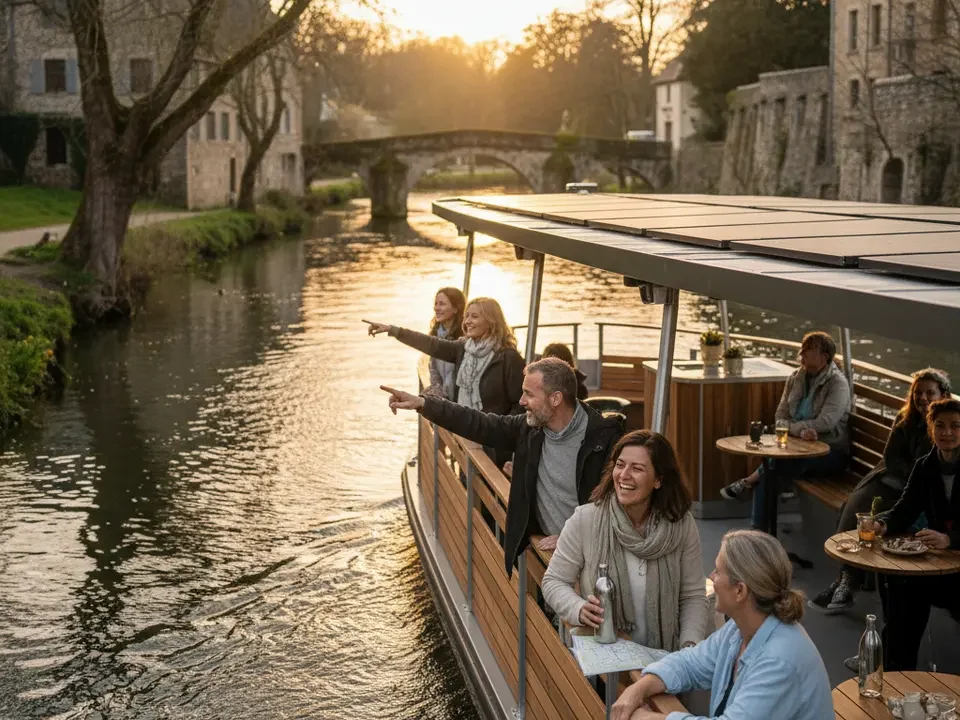
In today’s digital landscape, travelers are increasingly seeking ways to reduce their environmental impact while indulging in luxurious experiences. Eco-friendly river cruises are emerging as a premier choice for those who wish to combine comfort with sustainability. These journeys transform conventional waterborne travel by integrating advanced technologies, community-focused initiatives, and green operating practices. Currently, the cruise industry is pivoting towards eco-conscious solutions, and this year (2026) marks significant progress in lowering carbon footprints on rivers around the world.
Unlike ocean liners that traverse vast expanses, river vessels navigate narrow waterways, presenting both challenges and opportunities for sustainable design. From energy-efficient propulsion systems to farm-to-fork dining options, operators are redefining what it means to sail responsibly. Whether you are a seasoned adventurer or new to waterway exploration, understanding the principles behind eco-friendly river cruises will help you make informed choices for your next getaway. This guide delves into key considerations, top destinations, and practical tips to ensure your voyage leaves a positive legacy for local communities and fragile ecosystems alike.
Why Choose an Eco-Friendly River Cruise?
Reducing Greenhouse Gas Emissions
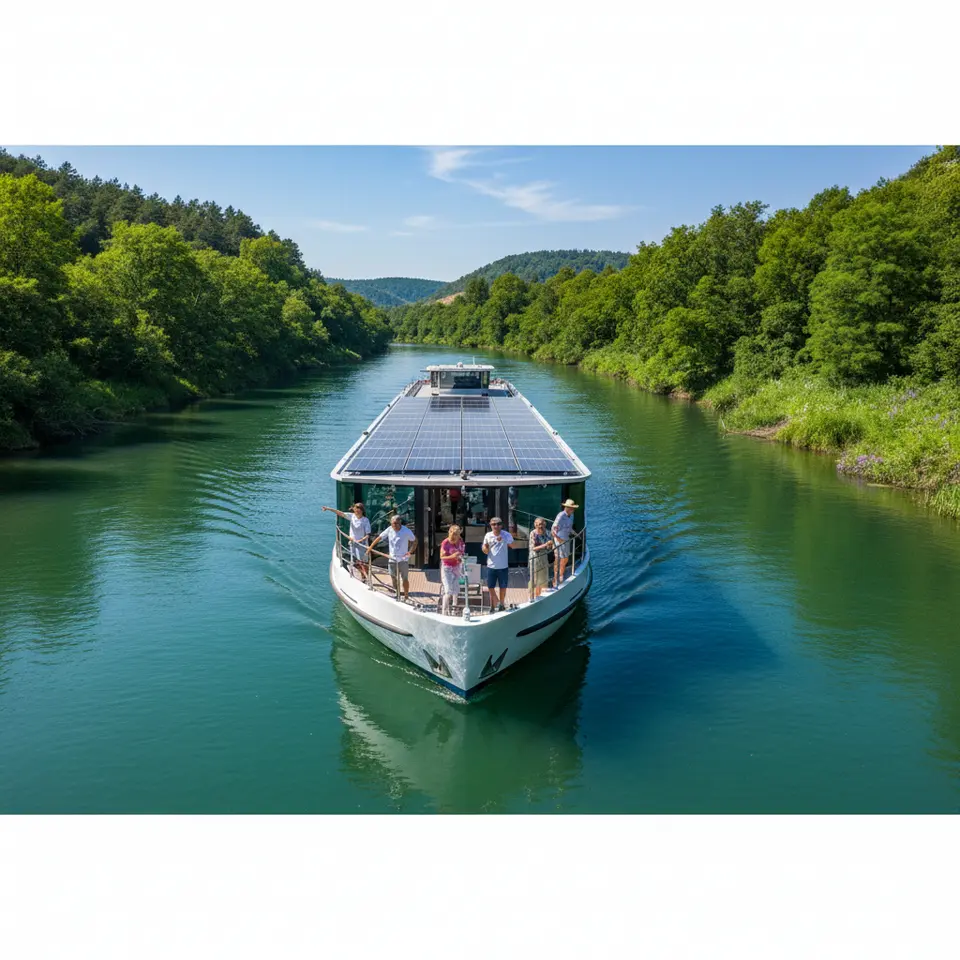
Traditional riverboats often rely on outdated engines that emit higher levels of carbon dioxide and pollutants. In contrast, contemporary green vessels employ hybrid propulsion systems, solar panels, and optimized hull shapes to minimize energy consumption. According to recent research by the EPA Climate Change division, adopting cleaner fuel alternatives can cut emissions by up to 30% compared to diesel-only engines.
Comprehensive Waste Management
Effective river cruise sustainability programs prioritize onboard recycling, organic composting, and advanced wastewater treatment. Guests on eco-friendly river cruises may notice designated bins for paper, glass, and plastics, as well as responsible disposal protocols for kitchen scraps. These measures ensure that each voyage contributes minimal pollution to waterways and shorelines.
Community and Cultural Partnerships
Support for local economies plays a central role in truly green travel. Leading providers collaborate with cooperatives, cultural preservation groups, and conservation NGOs to curate excursions that benefit residents directly. By choosing a cruise line with transparent partnerships, you help channel tourism revenue into projects such as habitat restoration, artisan workshops, and educational initiatives.
Eco-Conscious Comfort and Amenities
Guests may initially question whether green river travel sacrifices luxury. Modern eco-friendly river cruises demonstrate that sustainable amenities—like refillable toiletry stations, non-toxic cleaning products, and organic bed linens—can elevate the onboard experience. In addition, thoughtful cabin designs incorporate energy-efficient lighting and climate control to reduce resource use without compromising comfort.
Planning Your Sustainable River Cruise
Identifying Certified Operators
When researching potential itineraries, look for recognized environmental certifications such as ISO 14001, Green Marine, or Travelife. These badges indicate that an operator has undergone rigorous audits of their environmental management systems and social responsibility practices. Certification bodies often publish public reports, allowing you to verify claims independently.
Optimizing Route Selection
Overcrowding at popular ports can strain local infrastructure and degrade sensitive habitats. Today, many travelers opt for itineraries that include underexplored waterways, dispersing economic benefits and reducing visitor pressure on well-trodden destinations. Routes featuring smaller villages or lesser-known heritage sites foster more authentic interactions and support a wider range of communities.
Evaluating Vessel Technology
Before booking, request detailed specifications on each ship’s waste treatment facilities, emission controls, and energy sources. Hybrid or fully electric propulsion, ozone-based water purification, and shore-power capabilities are strong indicators of a commitment to environmental stewardship. Additionally, examine the operator’s passenger-to-crew ratio and onboard capacity limits; lower density often correlates with more personalized service and lighter ecological footprints.
Partnering with Conservation Groups
Some cruise lines establish formal alliances with environmental organizations, contributing a portion of ticket revenues to reforestation projects, wildlife monitoring, or marine protection initiatives. In today’s climate of heightened awareness, these collaborations add tangible value to your travel experience. Ask your provider about any in-house sustainability funds or joint research programs they support.
Top Eco-Friendly River Cruise Destinations
Mekong River, Southeast Asia
On the Mekong, boutique paddle-wheelers and solar-assisted craft glide past floating markets, temple ruins, and biodiverse floodplains. Eco-friendly river cruises in this region often incorporate stops at community-led conservation sites, where guests learn about endangered species rescue efforts and local rice-farming cooperatives.
Amazon Basin, South America
The world’s largest rainforest network invites exploration via small, shallow-draft vessels designed for minimal disturbance. Eco-lodges and river yachts work in tandem to offer guided jungle treks, night safaris, and indigenous cultural exchanges. Savvy travelers can engage in scientific data collection projects coordinated with universities and research centers.
Danube Alternatives
While the Danube remains iconic, intrepid travelers are discovering rivers like the Sava and Drava, where eco-conscious lines maintain strict passenger caps and invest in shoreline rewilding efforts. These lesser-known corridors showcase castle ruins, medieval towns, and protected wetlands teeming with birdlife.
Douro Valley, Portugal
This year (2026), solar-electric catamarans are revolutionizing Douro River travel. Guests marvel at terraced vineyards and custom vineyard-to-boat wine tastings hosted by organic winemakers. Sustainable practices include precision irrigation, soil conservation, and biodiversity monitoring in vineyard plots.
Irrawaddy River, Myanmar
Emerging eco-operators on the Irrawaddy emphasize cultural preservation, working alongside local authorities to restore riparian forests and maintain ancient pagoda sites. Limited passenger capacity and shore-based replanting programs help ensure that each journey supports long-term ecological recovery.
Shore Excursions with a Low Impact

Eco-Certified Transportation
Minimizing emissions away from the ship starts with the vehicles you choose ashore. Eco-friendly river cruises often provide electric minibuses, hybrid coaches, or recommendations for public transit options to keep carbon footprints low between ports of call.
Engaging Local Guides
Opting for excursions led by community members guarantees cultural authenticity and ensures that financial benefits remain within the region. Expert guides offer unique perspectives, from traditional fishing methods to storytelling about local legends and ecological challenges.
Waste Reduction on Tours
Mindful exploration means carrying reusable water bottles, bringing cloth snack bags, and avoiding single-use plastics. Many responsible operators supply refill stations and encourage guests to participate in beach or riverbank cleanups during shore visits.
Supporting Conservation Efforts
For wildlife enthusiasts, visits to protected reserves or bird sanctuaries provide insights into species recovery programs. According to National Geographic Environment, community-led agroforestry initiatives can improve riverbank stability and boost local food security simultaneously.
Onboard Dining: Farm-to-Table and Beyond
Local Ingredient Sourcing
Menus curated for eco-friendly river cruises spotlight regional farms, fisheries using catch-and-release methods, and certified organic producers. Chefs collaborate directly with suppliers to ensure peak freshness and to support fair-trade cooperatives.
Organic and Seasonal Menus
Seasonality reduces reliance on air-freighted goods, cutting down on transport-related emissions. Organic fruits, vegetables, and grains find their way into every course, from nutrient-rich breakfasts to decadent desserts featuring local honey and cheeses.
Reducing Food Waste
Portion control, composting of kitchen scraps, and repurposing leftovers into creative new dishes all contribute to lower waste generation. Some lines partner with nearby shelters or community centers to donate surplus meals, creating a positive social impact ashore.
Plant-Based Options
Offering vegetarian and vegan entrées allows guests to further decrease their carbon footprints. Innovations such as plant-based dairy alternatives, mushroom-based “meats,” and nutrient-dense legume stews demonstrate that green cuisine can be both delicious and satisfying.
Frequently Asked Questions
What makes a river cruise eco-friendly?
A truly eco-friendly river cruise integrates cleaner propulsion systems, comprehensive waste management, and partnerships with local conservation initiatives to reduce environmental impact and support communities.
Are eco-friendly river cruises more expensive?
While some sustainable cruises may carry a premium due to advanced technologies and ethical sourcing, many operators offer competitive pricing when factoring in long-term savings from energy efficiency and reduced fuel consumption.
How can I verify a cruise line’s sustainability claims?
Look for recognized certifications such as ISO 14001, Green Marine, or Travelife, and review publicly available audit reports and third-party endorsements to confirm an operator’s environmental commitments.
What should I pack for an eco-friendly river cruise?
Bring reusable water bottles, cloth bags, eco-friendly toiletries, and lightweight layers. Minimizing single-use plastics and choosing sustainable materials enhances your low-impact voyage.
Conclusion
Embarking on eco-friendly river cruises throughout 2026 offers a unique opportunity to witness the world’s waterways in a manner that honors both cultural heritage and ecological balance. By selecting certified operators, planning thoughtfully, and engaging in low-impact shore activities, travelers can transform a leisurely voyage into a meaningful contribution to environmental conservation and community development. From the solar-hybrid vessels of the Douro to paddle-wheelers on the Mekong, sustainable practices are redefining river travel today. Enjoy the comfort of modern amenities, indulge in locally sourced cuisine, and rest assured that your journey supports resilient ecosystems and vibrant local economies. In today’s climate-conscious era, eco-friendly river cruises demonstrate that luxury and stewardship can sail hand in hand along the world’s most enchanting rivers.


Sustainable Adventure Guide with over 7 years of experience leading eco-tours and outdoor expeditions. Trained in conservation and wilderness safety. Focused on helping travelers explore responsibly while protecting fragile ecosystems.






No Comments