


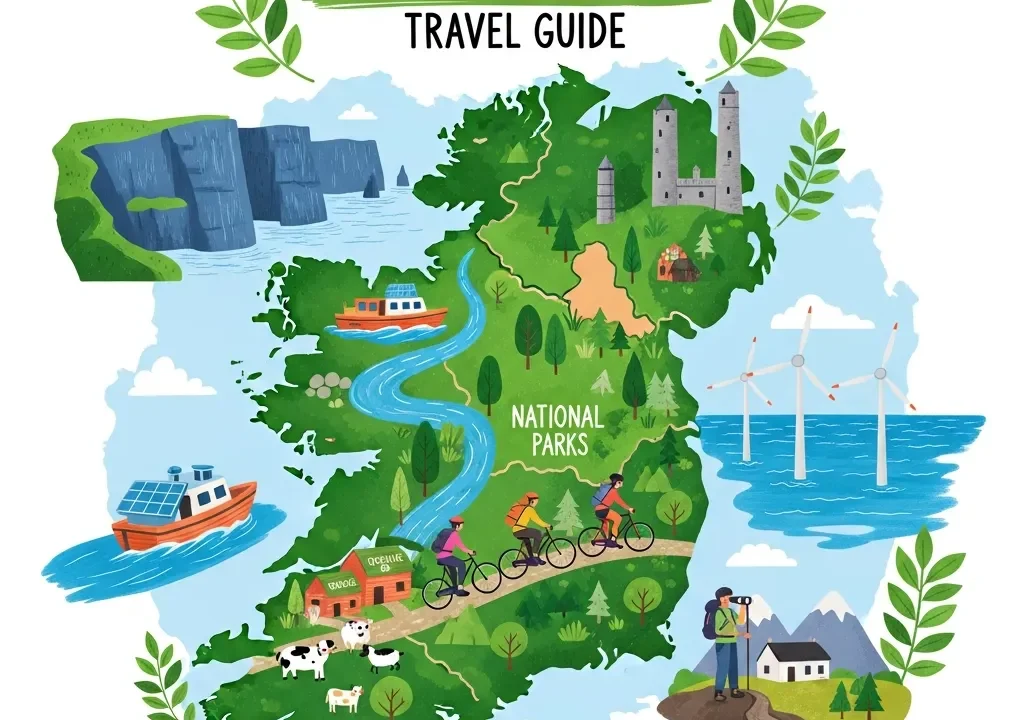
Discover the magic of Ireland with this comprehensive travel guide, focusing on sustainable practices and budget-friendly tips.
Planning a trip to the Emerald Isle requires careful thought, especially if you want to leave a positive impact on the environment. Every good Ireland travel guide should provide you with the tools needed to explore the country’s stunning landscapes, vibrant cities, and rich history without breaking the bank or harming the local ecosystem. By prioritizing sustainable choices, you can experience the authentic charm of this island while preserving it for future generations.
This Ireland travel guide is designed to walk you through every step of your journey. From securing affordable flights to finding the best locally sourced meals, we cover all the essentials. You will learn how to navigate the rugged coastlines, historical castles, and bustling pub scenes responsibly.
If you want to experience the true essence of the country, this Ireland travel guide will serve as your roadmap. We will explore how to travel efficiently, where to find hidden gems, and how to embrace local culture. Let this Ireland travel guide be your starting point for an unforgettable and eco-conscious adventure.
Planning Your Eco-Friendly Irish Adventure
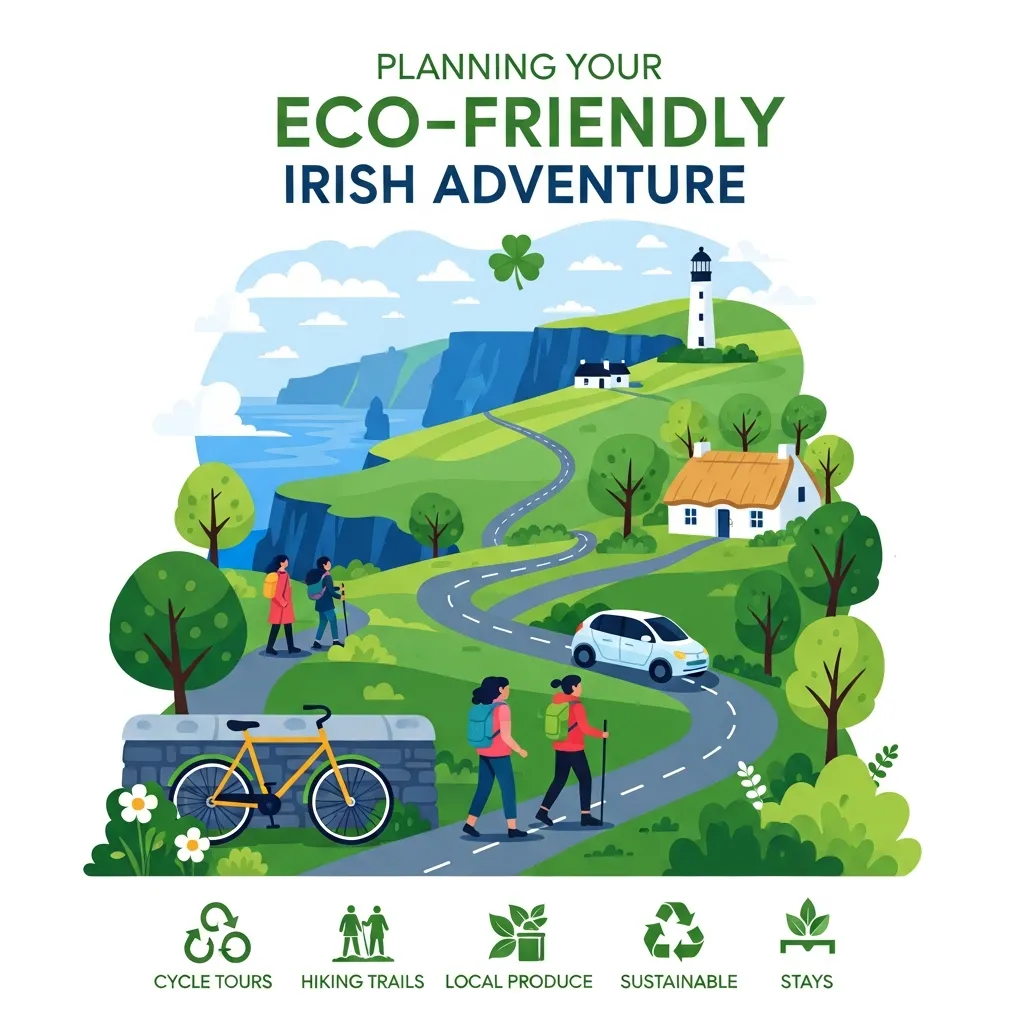
Creating a solid itinerary is the first step in any successful Ireland travel guide. A well-planned trip allows you to maximize your time while minimizing your carbon footprint.
Best Time to Visit
Timing is everything when planning your trip. The most popular times to visit are during the summer months of June, July, and August, when the weather is warmest and the days are incredibly long. However, this is also peak tourist season. For a more sustainable approach, this Ireland travel guide highly recommends traveling during the shoulder seasons of spring (April and May) or autumn (September and October). During these months, you will encounter fewer crowds, putting less strain on local infrastructure.
Eco-Friendly Train Travel: Navigating Ireland Sustainably
When mapping out your transportation, Eco-Friendly Train Travel should be at the top of your list. Ireland boasts an extensive and highly efficient rail network operated by Irish Rail (Iarnród Éireann). Taking the train is significantly better for the environment than renting a car or taking domestic flights. Eco-Friendly Train Travel allows you to sit back and watch the rolling green hills glide by through large panoramic windows. It connects major hubs like Dublin, Cork, Galway, and Belfast, making it the perfect centerpiece for your Ireland travel guide itinerary.
Accommodation: Green Stays and Unique Experiences
Where you choose to sleep matters. A comprehensive Ireland travel guide must highlight the importance of supporting green accommodations. Look for hotels and bed-and-breakfasts that have received sustainability certifications. Many places now use renewable energy, harvest rainwater, and serve organic, locally sourced breakfasts. Staying in smaller, family-run guesthouses also ensures that your money directly benefits the local community.
Dark Sky Tourism: Stargazing in Ireland’s Pristine Night Skies
One of the most magical experiences to include in your Ireland travel guide is Dark Sky Tourism. Ireland is home to several internationally recognized Dark Sky Parks and Reserves, such as the Kerry International Dark-Sky Reserve and the Mayo Dark Sky Park. Because these areas are strictly protected against light pollution, they offer unparalleled opportunities for stargazing. Engaging in Dark Sky Tourism is a low-impact activity that connects you deeply with nature while supporting the conservation of natural nightscapes.
Exploring Ireland’s Rich Culture and Landscape
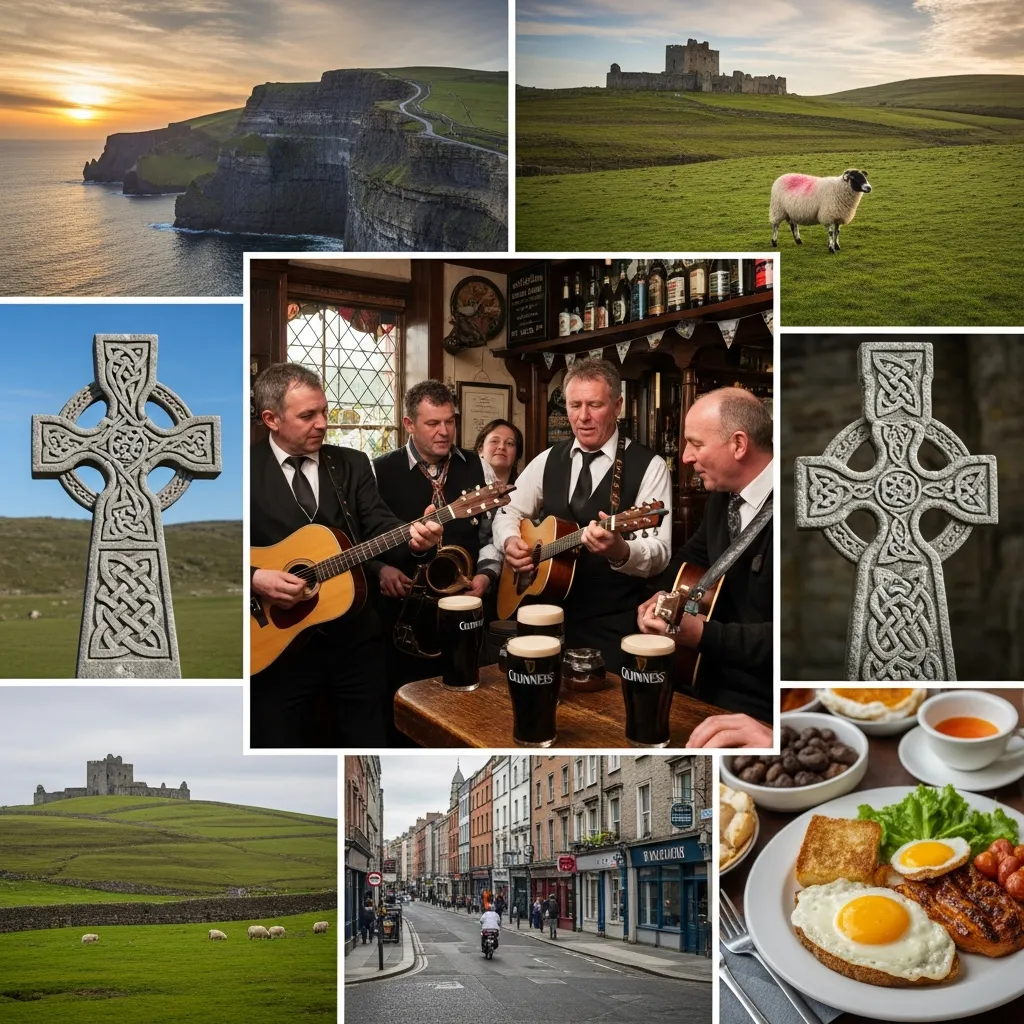
An Ireland travel guide is incomplete without diving into the breathtaking landscapes and cultural hubs that define the nation.
Must-Visit Cities: Dublin, Galway, Cork
Your Ireland travel guide itinerary should absolutely include the three major cultural capitals. Dublin offers a mix of ancient history and modern energy, with Trinity College and the Guinness Storehouse serving as major highlights. Galway, located on the west coast, is the beating heart of traditional Irish music and bohemian culture. Meanwhile, Cork is renowned as the food capital of Ireland, boasting the famous English Market. Each city offers excellent public transit, making them easy to explore sustainably.
Iconic Landmarks: Cliffs of Moher, Giant’s Causeway, Ring of Kerry
No Ireland travel guide ignores the iconic sights. The Cliffs of Moher provide sweeping views of the Atlantic Ocean, while the Giant’s Causeway in Northern Ireland features fascinating hexagonal basalt columns. The Ring of Kerry offers a spectacular scenic drive—or better yet, a cycling route—through rugged coastal landscapes and rural villages. To visit these sites sustainably, try to arrive early in the morning or late in the afternoon to avoid peak bus tour hours.
Hidden Gems: Off-the-Beaten-Path Adventures
To truly appreciate the country, this Ireland travel guide encourages you to step away from the main tourist trails. Consider visiting the Slieve League cliffs in County Donegal, which are actually higher than the Cliffs of Moher but draw a fraction of the visitors. Explore the quiet, mystical landscapes of the Burren, or take a ferry to the remote Aran Islands. Seeking out these hidden gems disperses tourist revenue to more rural areas.
Immersive Cultural Experiences: Music, Food, and Festivals
Irish culture is meant to be experienced firsthand. A great Ireland travel guide will always point you toward a local pub session (a “trad session”) where musicians gather to play traditional tunes. Participate in local food festivals, such as the Galway International Oyster and Seafood Festival, to sample regional delicacies. Engaging with the culture directly is the best way to understand the heart of the country.
Sustainable Travel Practices and Zero-Waste Tips
Being a responsible tourist means leaving the country just as beautiful as you found it. This section of our Ireland travel guide covers essential environmental practices.
Plastic Free Travel: Reducing Your Environmental Footprint
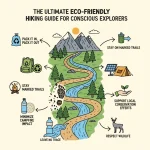
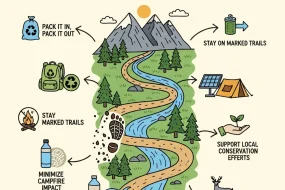
Implementing Plastic Free Travel habits is incredibly important. Ireland has made great strides in reducing single-use plastics, and tourists should join the effort. Carry a reusable water bottle; tap water in Ireland is safe and delicious. Bring a reusable coffee cup for your morning brews, and pack reusable shopping bags for groceries or souvenirs. Practicing Plastic Free Travel minimizes the waste that ends up in local landfills and oceans.
Zero Waste Tips for the Conscious Traveler
Taking your sustainability a step further requires some planning. Here are a few Zero Waste Tips to keep in mind: pack solid toiletries like shampoo bars to avoid plastic bottles; use digital tickets and boarding passes instead of printing them out; and always carry a lightweight set of reusable cutlery for street food. Following these Zero Waste Tips ensures your Ireland travel guide experience aligns with global environmental goals.
Supporting Local: Ethical Shopping and Dining
Your purchasing power has an enormous impact. This Ireland travel guide recommends dining at independent restaurants that prioritize farm-to-table menus. When shopping for souvenirs, avoid mass-produced trinkets. Instead, look for authentic Irish crafts, such as hand-knit Aran sweaters, local pottery, or artisanal cheeses. Buying local keeps traditional skills alive and bolsters the regional economy.
Budget-Friendly Travel: Making Your Trip Affordable

An effective Ireland travel guide must also protect your wallet. Traveling to Europe can be expensive, but there are plenty of ways to explore affordably.
Economy Tickets Tips: Finding the Best Deals
Getting to the island cheaply is a priority for many. Use our Economy Tickets Tips to save on airfare. Book your flights several months in advance and use flight comparison tools to set up price alerts. Flying mid-week is generally cheaper than flying on weekends. Additionally, consider flying into smaller airports like Shannon or Knock rather than Dublin. Utilizing these Economy Tickets Tips can free up hundreds of dollars in your budget.
Affordable Accommodation and Dining Options
You do not need to stay in five-star castles to have a wonderful time. Hostels in Ireland are generally of a very high standard, and many offer private rooms if you prefer not to share. For dining, this Ireland travel guide suggests eating your largest meal at lunch, when many restaurants offer discounted menus. Grabbing fresh produce and local bread from a farmer’s market for a picnic is another excellent, budget-friendly option.
Free Activities and Attractions
One of the best secrets of any Ireland travel guide is how much you can do for free. All national museums and galleries in Dublin—such as the National Museum of Ireland and the National Gallery—are completely free to enter. Hiking in national parks like Killarney National Park or Connemara costs nothing but provides some of the most spectacular views in the world.
Public Transportation vs. Car Rental
While renting a car offers flexibility, it is often the most expensive part of a trip. This Ireland travel guide strongly suggests comparing the costs of car rentals, including fuel and insurance, against public transit. Buses and trains are highly reliable and much cheaper. If you only need a car for a specific day trip, consider renting one just for that day rather than for your entire stay.
Your Unforgettable and Responsible Irish Journey
Using this Ireland travel guide will ensure your trip is memorable, affordable, and kind to the planet. By prioritizing Eco-Friendly Train Travel, seeking out Dark Sky Tourism, and implementing Zero Waste Tips, you become part of the solution rather than contributing to overtourism. Let this Ireland travel guide inspire you to connect deeply with the culture, support local communities, and create memories that will last a lifetime. Safe travels, and enjoy every moment of your Irish adventure.
Frequently Asked Questions (FAQ)
1. What is the best way to travel around Ireland sustainably?
The most sustainable way to get around is by utilizing the country’s extensive public transportation network. Eco-Friendly Train Travel is highly recommended for traveling between major cities, while local buses are great for reaching smaller towns.
2. Are there specific regions in Ireland known for Dark Sky Tourism?
Yes. The Kerry International Dark-Sky Reserve and the Mayo Dark Sky Park are two of the best locations in the world for Dark Sky Tourism, offering incredible stargazing without light pollution interference.
3. How can I practice Plastic Free Travel in Ireland?
You can practice Plastic Free Travel by bringing a reusable water bottle, a reusable coffee cup, canvas shopping bags, and avoiding items wrapped in unnecessary single-use plastics at local grocery stores.
4. What are some good Zero Waste Tips for travelers?
Some effective Zero Waste Tips include packing solid shampoo bars, using digital travel documents instead of paper, carrying reusable bamboo cutlery, and bringing a small container for restaurant leftovers.
5. Where can I find Economy Tickets Tips for flights to Ireland?
To get the best deals, book flights well in advance, set up fare alerts on comparison websites, travel during the shoulder seasons (spring or autumn), and consider flying into regional airports like Shannon.
6. What are the best free attractions to visit in Ireland?
Many national cultural institutions are free, including the National Museum of Ireland and the National Gallery in Dublin. Exploring the national parks, such as Killarney National Park, and walking the rugged coastlines are also completely free.
7. Are there eco-friendly accommodation options readily available?
Absolutely. Ireland has a growing number of eco-friendly accommodations. Look for hotels and guesthouses with green certifications, renewable energy usage, and commitments to sourcing local, organic food.
8. How can I support local businesses while traveling in Ireland?
Support locals by eating at independent, family-run restaurants, shopping at local farmers’ markets, and purchasing authentic, handmade souvenirs directly from local artisans rather than buying imported goods.
9. Is it easy to find vegetarian/vegan food options in Ireland?
Yes. While traditional Irish food relies heavily on meat and dairy, modern Irish cuisine has evolved significantly. Most restaurants, cafes, and pubs now offer excellent and creative vegetarian and vegan options.
10. What are some unique cultural experiences in Ireland?
Unique cultural experiences include attending a traditional Irish music session in a local pub, participating in a Gaelic games experience (like hurling or Gaelic football), and exploring the ancient monastic sites like Glendalough.
11. How much money should I budget for an Ireland trip?
Budgeting depends on your travel style. Budget travelers can expect to spend around $70-$100 USD per day (staying in hostels, using public transit), while mid-range travelers should budget $150-$250 USD per day for hotels and sit-down meals.
12. What essential items should I pack for an Ireland travel guide adventure?
Essential items include waterproof clothing (a good rain jacket is a must), comfortable walking or hiking shoes, layers for unpredictable weather, a universal power adapter, and your reusable eco-friendly travel gear.


Sustainable Travel Advisor with over 10 years of experience designing eco-friendly itineraries and leading community-based tours worldwide. Holds a degree in Environmental Science and training in conservation. Writes about low-impact travel, protecting biodiversity, and creating authentic cultural experiences.




No Comments