


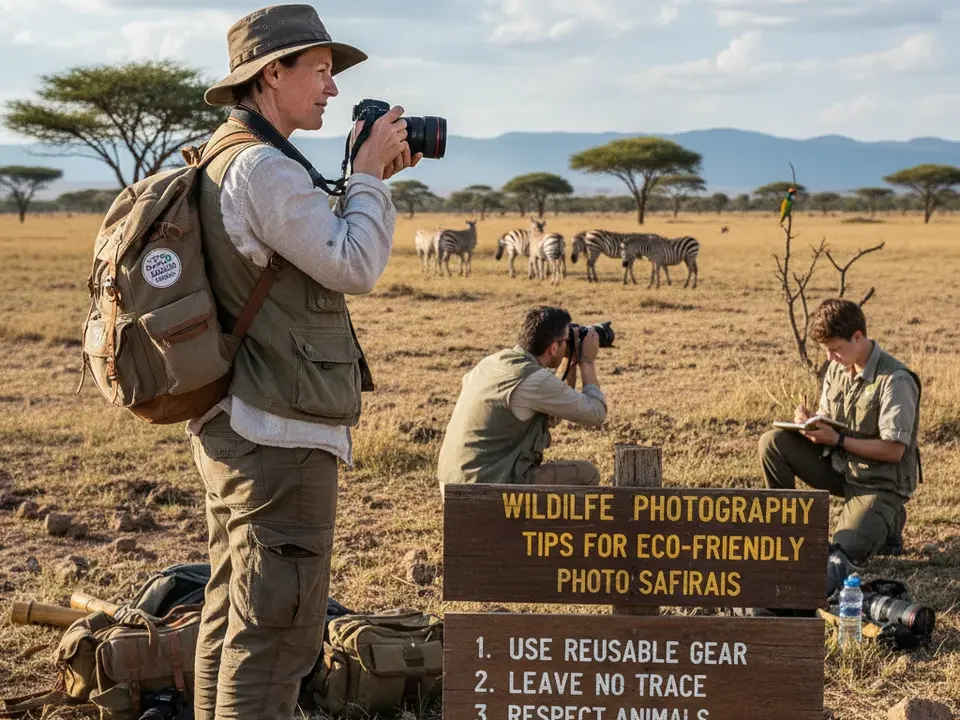
Wildlife photography holds a special allure for enthusiasts who want to document nature’s magnificent creatures in their natural habitats. Today, travelers seeking authentic experiences and captivating images are increasingly drawn to an eco-friendly photo safari that balances artistic ambition with responsible exploration. The chance to capture elephants lumbering across open plains, lions basking on rocky outcrops, or vibrant birds flitting through dense canopies is what many photographers dream about. In today’s digital landscape, sharing these moments with an eager audience can inspire admiration and conservation awareness, but this exposure also comes with a duty to protect the ecosystems and species we photograph.
As interest in sustainable travel grows, travelers are more aware of the consequences of traditional tourism on delicate habitats. By choosing to embark on an eco-friendly photo safari, you join a movement that values biodiversity and supports conservation organizations tackling challenges like habitat loss, poaching, and climate change. These trips not only provide unforgettable photography opportunities but also channel resources toward protecting endangered species, bolstering anti-poaching patrols, and empowering local guardians of the land. In this guide, we walk through planning, gear selection, field conduct, and post-trip stewardship, equipping you with the knowledge to conduct your own eco-friendly photo safari this year without compromising the well-being of wild populations or disturbing pristine environments. Whether you are a seasoned professional or an avid amateur, adopting responsible methods will enrich your journey, enhance your portfolio, and promote the long-term health of the natural world.
Why Eco-Friendly Photo Safaris Matter
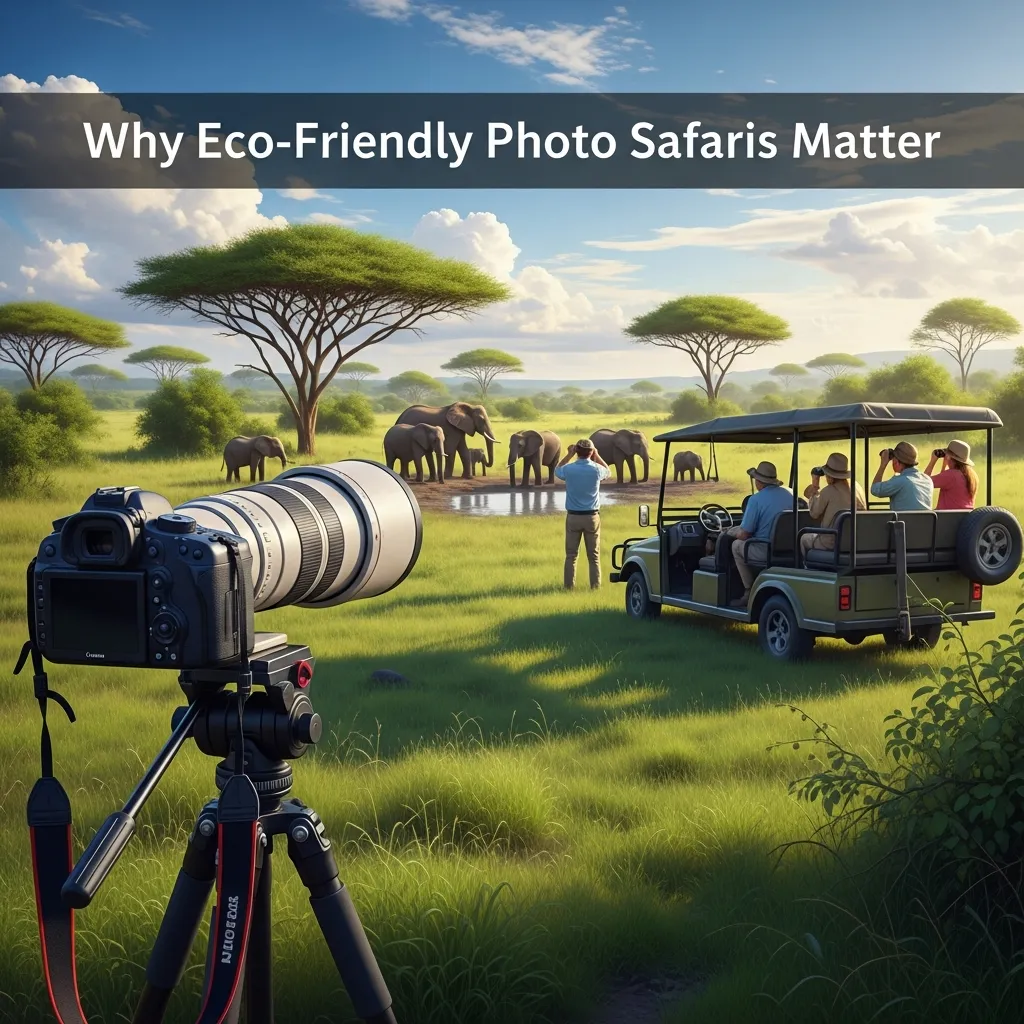
Over the past decade, wildlife photography has grown from a niche hobby to a global phenomenon, driven by high-quality digital cameras, social media platforms, and a universal fascination with the natural world. However, traditional photography expeditions can inadvertently harm the very subjects they aim to celebrate. Vehicles venturing off designated tracks can compact soil and damage vegetation, while crowds encircling animals may alter their movement and feeding patterns. Flash photography and sudden movements can trigger stress responses in wildlife, leading to long-term changes in behavior. Such disruptions not only diminish the authenticity of photographic opportunities but can also compromise animal health and reproductive success.
By contrast, an eco-friendly photo safari places ecological integrity at its core. Photographers maintain safe distances, use low-impact vehicles or even guided foot walks, and adhere to strict no-flash policies. Small group sizes and certified guides ensure that each excursion respects local regulations and animal welfare standards. These practices align closely with guidelines from reputable organizations such as the National Park Service (see National Park Service) and research institutions like the US Geological Survey (see USGS), which emphasize minimal disturbance in wildlife areas.
Moreover, eco-friendly safaris contribute directly to conservation initiatives. Many tour operators allocate a portion of their revenues to anti-poaching patrols, community-led habitat restoration, and educational programs. When you choose an operator with credible eco-certifications—such as Green Destinations or Rainforest Alliance—you help support local livelihoods and incentivize sustainable land stewardship. This approach transforms wildlife photography from a passive pursuit into an active partnership with conservationists working on the front lines to protect biodiversity.
Ethically minded photographers find that responsible methods often yield richer results. Animals that feel unthreatened are more likely to display natural behaviors—hunting, playing, or caring for offspring—offering genuine, compelling images that resonate deeply with viewers. In today’s digital landscape, where audiences are increasingly conscious of ethical sourcing and environmental responsibility, photo essays born from eco-friendly safaris can spark powerful conversations about conservation. Ultimately, adopting sustainable practices elevates both the art of photography and the safeguarding of our planet’s most precious wildlife.
Choosing Responsible Tour Operators
![[object Object]](https://ecoexplorertours.com/wp-content/uploads/2026/05/wildlife-photography-tips-for-eco-friendly-photo-s-image-1.webp)
Selecting the right tour operator is the first step toward a successful eco-friendly photo safari. Today, a growing number of companies specialize in wildlife photography experiences that prioritize conservation, community engagement, and ethical wildlife viewing. When vetting potential providers, look for recognized eco-certifications such as Green Destinations, Rainforest Alliance, or accreditation from trusted conservation bodies. These endorsements signal that the company has met rigorous environmental and social criteria.
Ask specific questions about group size and vehicle policies. Small groups—typically no more than six to eight participants—reduce stress on animals and habitats. Inquire whether vehicles remain on designated tracks and whether off-road driving is strictly prohibited. A reputable operator enforces clear guidelines on minimum viewing distances and prohibits the use of intrusive flash or spotlight techniques that can disorient nocturnal species.
Community support is another critical factor. Leading eco-friendly tour companies collaborate with local villages and indigenous communities, ensuring that a portion of guest fees directly benefits regional conservation programs. This revenue sharing can fund anti-poaching patrols, school initiatives, or sustainable agriculture projects that reduce human-wildlife conflict. By choosing an operator committed to equitable partnerships, you reinforce the economic incentives that motivate landowners and communities to protect wildlife rather than exploit it.
Guide expertise can make or break your wildlife photography adventure. Certified guides who have undergone training in wildlife behavior, first aid, and low-impact travel techniques can anticipate animal reactions and steer groups away from potentially stressful encounters. Their insight not only maximizes your chances of capturing authentic moments but also safeguards both you and the animals. Always verify that your guide-to-guest ratio is low and that guides carry necessary permits and emergency equipment.
Long-term relationships between tour operators and conservation organizations often yield the deepest benefits. Providers working closely with national parks, research universities, or government wildlife services demonstrate a sustained commitment to habitat preservation and scientific monitoring. For example, operators partnering with institutions like the US Geological Survey support ongoing research that informs park management decisions. In today’s competitive ecotourism market, these collaborative efforts set truly responsible companies apart.
In summary, take the time to research and compare operators, review customer feedback, and seek transparent policies on environmental impact. By investing in a provider who shares your commitment to sustainable travel, you set the stage for an eco-friendly photo safari that protects wildlife, uplifts communities, and delivers unforgettable photographic opportunities.
Planning Your Trip with a Low Footprint
Effective planning is essential for an eco-friendly photo safari, ensuring that every aspect of your journey reduces environmental impact. Start by considering transportation options. When booking flights, choose carriers with robust sustainability programs and consider voluntary carbon offset schemes certified by independent bodies. Even small contributions to reforestation or renewable energy projects can help balance emissions produced during international travel.
Packing strategies also play a vital role in minimizing your footprint. Opt for lightweight, multi-purpose gear that reduces baggage weight and associated fuel consumption. Use refillable water bottles and bring biodegradable toiletries to cut down on single-use plastics in remote areas. Prepare reusable snack containers and cloth bags for trash collection, ensuring you leave no waste behind in wildlife habitats.
Accommodation choices further shape the ecological profile of your safari. Eco-lodges and camps that harness solar power, practice rainwater harvesting, and utilize composting toilets exemplify sustainable operations. Many of these establishments funnel a percentage of their revenue back into conservation and community development. By selecting lodgings with strong environmental credentials, you directly support green infrastructure while enjoying comfortable, low-impact facilities.
When crafting your daily itinerary, plan around wildlife activity patterns to maximize shooting efficiency. Early morning and late afternoon often yield the most dynamic lighting and active animal behavior, allowing you to capture compelling images without excessive driving. Consolidate observation points and reduce the number of departures and arrivals to prevent unnecessary disturbance in sensitive areas.
Consider incorporating rest days or downtime to reduce vehicle movement and give ecosystems a chance to recover. During these intervals, engage in community visits, cultural exchanges, or conservation workshops that deepen your understanding of local challenges and achievements. Such experiences enhance the educational value of your trip and foster meaningful connections beyond photography.
Finally, maintain clear communication with your tour operator about your sustainability goals. Discuss carbon offset preferences, waste management protocols, and any special considerations related to wildlife seasons or weather conditions. By integrating eco-friendly priorities into every stage of planning, you transform your safari from a simple adventure into a thoughtful contribution to global conservation efforts.
Sustainable Gear Selection and Practices
![[object Object]](https://ecoexplorertours.com/wp-content/uploads/2026/05/wildlife-photography-tips-for-eco-friendly-photo-s-image-2.webp)
On an eco-friendly photo safari, gear selection goes beyond technical performance. Durability, repairability, and resource efficiency are equally important. Choose camera bodies and lenses from manufacturers known for long product lifecycles and robust repair programs. Reliable equipment reduces the frequency of replacements and prevents premature electronic waste.
Renting specialized gear, like super-telephoto lenses or high-speed camera bodies, offers both economic and environmental advantages. Instead of purchasing items you may only use occasionally, gear rental supports local photography businesses and cuts down on manufacturing demand. Communities near popular safari destinations often offer rental services that help photographers access top-quality equipment while reducing their ecological footprint.
Power management is another essential consideration. Bring high-capacity rechargeable batteries and a portable solar charger to minimize reliance on disposable AA or AAA cells. Solar panels designed for field use can replenish batteries during daylight hours, providing a sustainable energy source and reducing waste. Always pack a set of well-maintained charging cables and at least one universal adapter to accommodate varying power outlets.
Reduce consumable accessories by carrying microfiber lens cloths instead of single-use wipes. Choose camera straps, harnesses, and bags crafted from recycled or organic materials over plastic-based alternatives. When possible, select waterproof rain covers made from repurposed fabrics, ensuring your gear stays protected in unpredictable jungle or desert environments without contributing to new plastic production.
Maintenance kits also play a role in sustainable operations. A compact cleaning kit that includes a blower bulb, lens pen, and corrosion inhibitor can keep equipment functional under harsh safari conditions, extending its usable life. Scheduling regular check-ups and servicing with authorized centers—often recommended by organizations like the US Geological Survey for field researchers—helps identify minor issues before they escalate into major repairs or replacements.
By assembling a deliberate, eco-conscious photography kit, you demonstrate leadership in sustainable travel. Most importantly, you set a positive example for fellow photographers and local communities, showing that exceptional wildlife images can be captured with minimal environmental compromise.
Best Practices to Minimize Wildlife Disturbance
Responsible behavior in the field is at the heart of an eco-friendly photo safari. Simple adjustments in conduct can protect wildlife from stress and preserve natural behavior patterns. Begin by activating silent shooting modes if your camera model supports it. Suppressing shutter noise reduces the chance of startling sensitive species, allowing you to capture candid moments without interrupting natural interactions.
Flash photography is another aspect to eliminate. Even low-intensity flashes can disorient nocturnal animals or trigger defensive responses in diurnal species. Rely on available light and, if necessary, high-ISO performance for low-light situations. When you anticipate challenging lighting conditions, practice manual exposure settings before encountering wildlife to minimize trial-and-error in critical moments.
Maintaining an appropriate viewing distance is essential for both animal welfare and personal safety. Guidelines typically recommend staying at least 10 to 30 meters away from large mammals and 5 to 10 meters for avian subjects. Telephoto lenses allow you to frame tight shots without encroaching on the animal’s personal space. Respect posted park regulations and follow any additional instructions provided by certified guides.
Limiting vehicle movement further reduces habitat disruption. If animals appear uneasy, keep the engine off and wait patiently. Constant restarts and repositioning can escalate stress levels and drive wildlife away from key feeding or breeding grounds. When in doubt, trust the experience of your guide, who can read subtle signs of discomfort—such as tail flicks, ear rotations, or rapid gaze shifts—and recommend an appropriate distance or retreat.
Avoid obstructing critical resources like waterholes, nesting sites, or feeding areas. Blocking access can force animals to swim longer distances or abandon their young, causing unintended harm. Always plan your position to provide clear pathways for wildlife movement, and refrain from entering restricted zones marked by park authorities.
Finally, be mindful of your presence on foot. Soft, deliberate footsteps, neutral-colored clothing, and minimization of sudden gestures help you blend into the environment. Speak only when necessary, and avoid loud conversations or group chatter near animal habitats. These respectful practices ensure that wildlife remains undisturbed, resulting in more authentic, engaging photographs while safeguarding animal well-being.
Conclusion
A successful eco-friendly photo safari extends far beyond capturing stunning images. By selecting tour operators with solid conservation and community partnerships, planning with minimized environmental impact, choosing durable and sustainable gear, and practicing low-impact field techniques, photographers can enjoy memorable adventures that support long-term wildlife protection. Today, every image shared online carries the potential to inspire action and raise awareness for conservation causes. In today’s digital landscape, responsible photography can shape public perception and motivate audiences to value biodiversity. Embrace your role as an eco-conscious ambassador this year (2026), letting your lens narrate a story of stewardship, coexistence, and wonder. With thoughtful preparation, mindful behavior, and continued post-trip engagement—such as crediting local partners, donating to conservation NGOs, and sharing best practices—you ensure your journey serves both art and the enduring health of our planet’s most precious species.


A Sustainable Travel Advisor with over 10 years of experience in eco-friendly travel. Skilled in designing low-impact itineraries and leading community-based tours. Holds a degree in Environmental Science and training in conservation. Focused on protecting biodiversity and creating authentic cultural experiences.








No Comments