


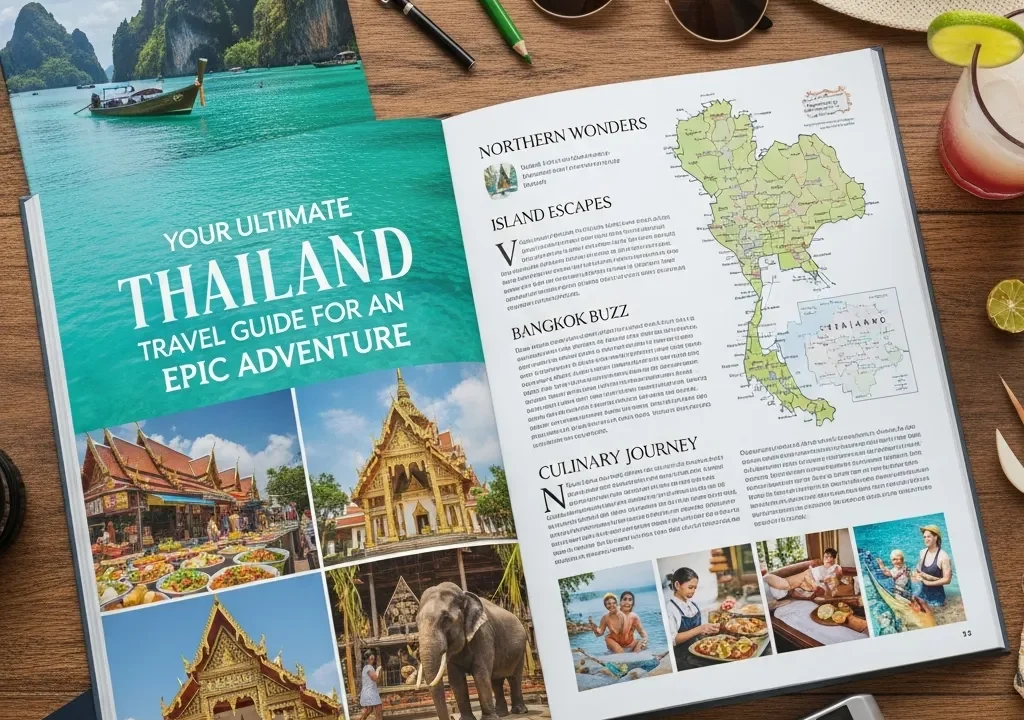
Golden temples gleaming in the sun, lush jungle mountains, and pristine beaches stretching as far as the eye can see. Thailand offers an irresistible pull for travelers seeking both thrilling adventures and peaceful retreats. From the chaotic, vibrant streets of Bangkok to the quiet charm of remote island villages, the “Land of Smiles” delivers an unforgettable experience for every type of visitor.
This comprehensive Thailand travel guide covers everything you need to know to plan the perfect trip. We will walk you through the best times to visit, how to navigate the local transport systems, and the must-see destinations you cannot miss. You will also learn about local customs, the best street food to try, and practical health and safety tips to ensure a smooth journey.
Why is this country such a global favorite? Thailand boasts a unique blend of affordability, stunning natural beauty, and a deeply welcoming culture. It is an incredibly forgiving destination for newcomers, making it a staple for Beginner’s Solo Travel. Whether you are seeking a luxury escape, a family-friendly holiday, or a backpacking adventure on a shoestring budget, this Thailand travel guide is your roadmap to an amazing vacation.
Planning Your Thailand Adventure
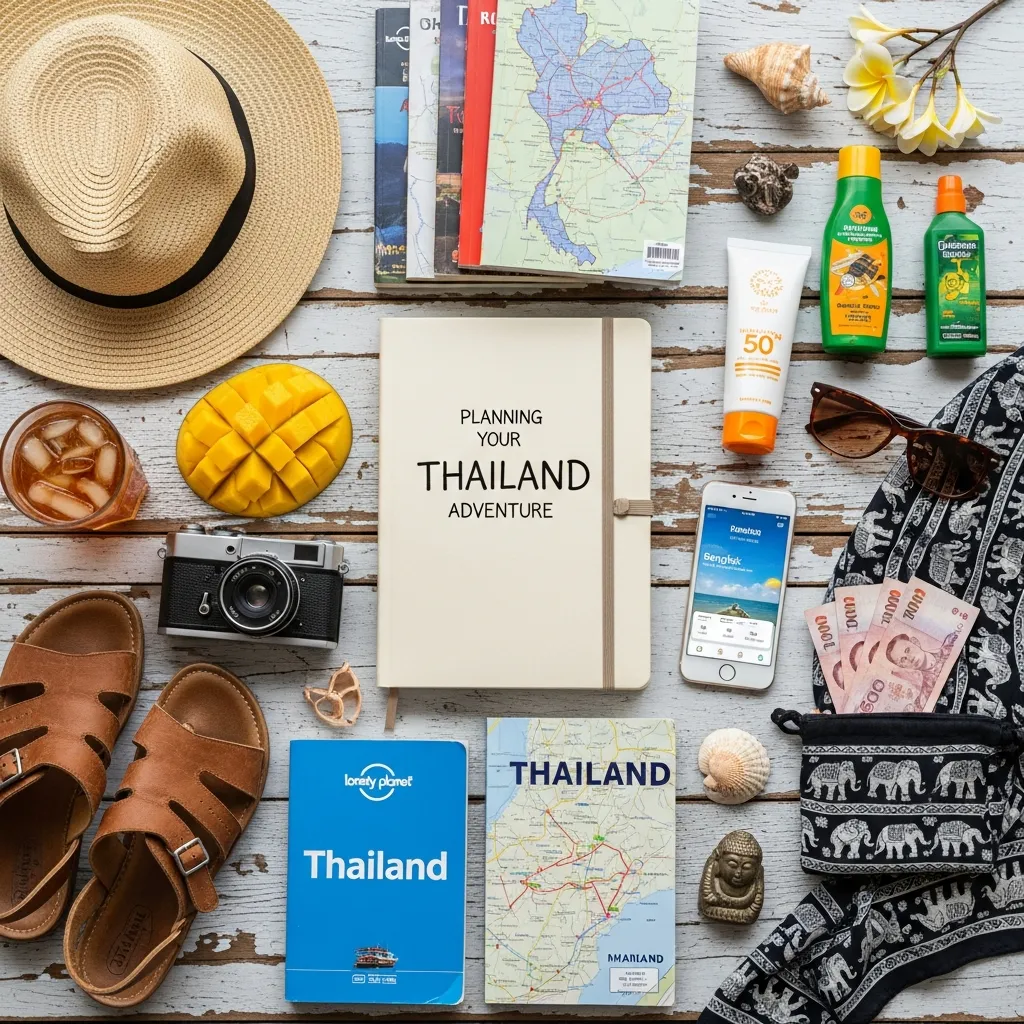
A successful trip starts with solid preparation. Use this section of our Thailand travel guide to iron out the logistics before you fly.
Best Time to Visit
Thailand features a tropical climate with three main seasons. The cool and dry season runs from November to February, offering the most comfortable weather for exploring. This is peak tourist season. The hot season spans from March to May, which is perfect for beachgoers but can be sweltering in the cities. The rainy season, from June to October, brings afternoon downpours but lush, green landscapes and fewer crowds.
Visa Requirements and Entry
Many nationalities, including citizens of the US, UK, and Australia, can enter Thailand without a visa for up to 30 days under the visa exemption rule. If you plan to stay longer, you must apply for a tourist visa at a Thai embassy or consulate before your departure. Always ensure your passport is valid for at least six months from your date of entry.
Budgeting for Your Trip
Thailand is famous for being budget-friendly. Backpackers can easily get by on $30 to $50 a day, covering hostel beds, delicious street food, and local transport. Mid-range travelers should budget around $80 to $150 a day for boutique hotels, sit-down restaurant meals, and guided tours. Luxury travelers can expect to spend upwards of $250 a day for five-star resorts and private excursions.
Packing Essentials
Keep your clothing light and breathable. Cotton and linen are perfect for the tropical humidity. When visiting temples, you must cover your shoulders and knees out of respect, so pack a sarong or lightweight trousers. Don’t forget reef-safe sunscreen, a reliable mosquito repellent, and a reusable water bottle.
Getting Around Thailand
Navigating the country is a breeze once you understand the transport network. This Thailand travel guide breaks down your best options.
International Flights
Most travelers arrive at Suvarnabhumi Airport (BKK) in Bangkok or Phuket International Airport (HKT). If you are flying from the United States, be prepared for a long journey. Much like checking a New York Travel Guide to navigate the massive JFK airport, you will want to familiarize yourself with BKK’s layout to easily find your connecting flights or ground transport.
Domestic Transportation
To cover long distances quickly, book domestic flights with budget carriers like AirAsia or Nok Air. For a more scenic route, Thailand’s train system is excellent; the sleeper train from Bangkok to Chiang Mai is a popular, comfortable adventure. VIP buses are another affordable option for traveling between major cities, while ferries connect the mainland to the islands.
Local Transport
In cities like Bangkok, the BTS Skytrain and MRT subway are fast and air-conditioned. For shorter trips, flag down a colorful taxi (always insist on the meter) or order a ride using the Grab app. You must experience a ride in a tuk-tuk at least once, but negotiate the fare before you get in. In smaller towns, songthaews (shared pickup trucks with bench seating) are the standard way to get around.
Must-Visit Destinations
No Thailand travel guide would be complete without highlighting the top regions to explore.
Bangkok: The Bustling Capital
Bangkok is a sensory overload in the best way possible. Explore the dazzling Grand Palace and Wat Phra Kaew, then take a boat ride along the Chao Phraya River. In the evening, get lost in the bustling aisles of the Chatuchak Weekend Market or enjoy a cocktail at a rooftop bar overlooking the glittering skyline.
Northern Thailand: Chiang Mai & Chiang Rai
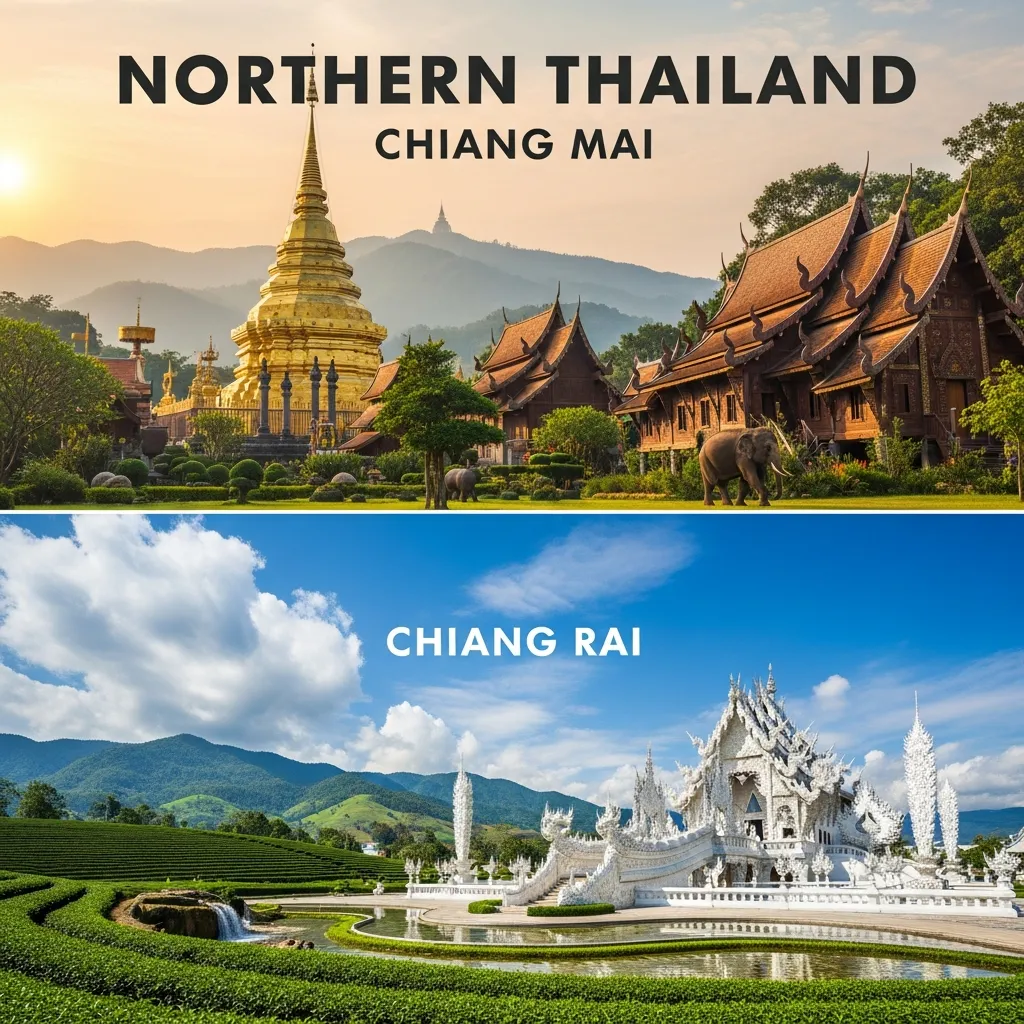
The north offers a cooler climate and a slower pace. Chiang Mai is famous for its hundreds of ancient temples and lush surrounding mountains. It is also a hub for ethical elephant sanctuaries, where you can observe these gentle giants without riding them. Further north, Chiang Rai is home to the stunning, contemporary White Temple (Wat Rong Khun).
Southern Thailand & Islands
If you want postcard-perfect beaches, head south. Phuket and Krabi offer stunning limestone karsts, luxury resorts, and vibrant nightlife. For a more laid-back vibe, take a ferry to Koh Lanta or Koh Tao, the latter being a world-renowned destination for scuba diving certification.
Lesser-Known Gems
Step off the main tourist trail and visit Sukhothai or Ayutthaya. These historical parks feature the breathtaking ruins of ancient Thai capitals. Rent a bicycle and pedal between centuries-old stupas and Buddha statues for a peaceful journey through history.
Experiencing Thai Culture
Engaging with the local culture will make your trip deeply rewarding. Keep these tips from our Thailand travel guide in mind.
Etiquette and Customs
The concept of “saving face” is crucial; always remain calm and avoid raising your voice in public. The head is considered the most sacred part of the body, so never touch anyone on the head. Conversely, feet are the lowest part, so avoid pointing your feet at people or religious statues.
Delicious Thai Cuisine
Thai food is a brilliant balance of sweet, sour, salty, and spicy. Do not miss street food classics like Pad Thai, Som Tum (green papaya salad), and Mango Sticky Rice. For a richer meal, sit down for a bowl of Khao Soi (coconut curry noodle soup) in the north or Massaman Curry in the south.
Festivals and Celebrations
If your timing is right, you might catch Songkran in April, the nationwide water fight celebrating the Thai New Year. In November, Loy Krathong sees thousands of illuminated, floating baskets released onto rivers and lakes, creating a truly magical atmosphere.
Language Basics
While English is widely spoken in tourist areas, learning a few Thai words goes a long way. Say “Sawasdee” for hello and “Khop khun” for thank you. Add “khrap” at the end if you are male, and “kha” if you are female, to show politeness.
Activities and Experiences
Your itinerary can be as action-packed or as relaxing as you desire.
Adventure
Scale the dramatic limestone cliffs of Railay Beach or go jungle trekking in Khao Yai National Park to spot wild elephants and gibbons. Scuba diving and snorkeling are spectacular in the Similan Islands.
Wellness
Thailand is a global hub for wellness. Treat yourself to a traditional Thai massage, which combines acupressure and assisted yoga postures. Many travelers also book stays at yoga and meditation retreats in Koh Phangan or Chiang Mai to recharge.
Cooking Classes
Take the flavors of Thailand home with you. A cooking class usually starts with a guided tour of a local morning market to buy fresh ingredients, followed by hands-on instruction on how to balance traditional Thai flavors.
Shopping
From massive, air-conditioned malls in Bangkok like Iconsiam to the floating markets of Damnoen Saduak, shopping is a major draw. Pick up beautiful Thai silk, intricate wood carvings, and inexpensive tailored clothing.
Safety and Health Tips
Staying safe and healthy is paramount. This section of our Thailand travel guide covers the essentials.
Staying Safe
Thailand is generally very safe, but petty theft and tourist scams do happen. Be wary of friendly strangers telling you an attraction is “closed for a local holiday” and offering to take you to a gem shop instead. Keep your valuables secure and be extremely cautious if you decide to rent a scooter.
Health Precautions
Visit a travel clinic before your trip to ensure your routine vaccinations are up to date. While malaria is rare in tourist areas, dengue fever is present, so mosquito protection is essential. Always drink bottled or filtered water, and never travel without comprehensive health and travel insurance.
Responsible Tourism
Support the local economy by eating at family-run restaurants and buying souvenirs directly from artisans. Avoid tours that exploit animals, such as elephant riding or tiger temples. Carry a reusable bag and water bottle to help reduce plastic waste on the islands.
The Best Thailand Travel Guide for Specific Traveler Types
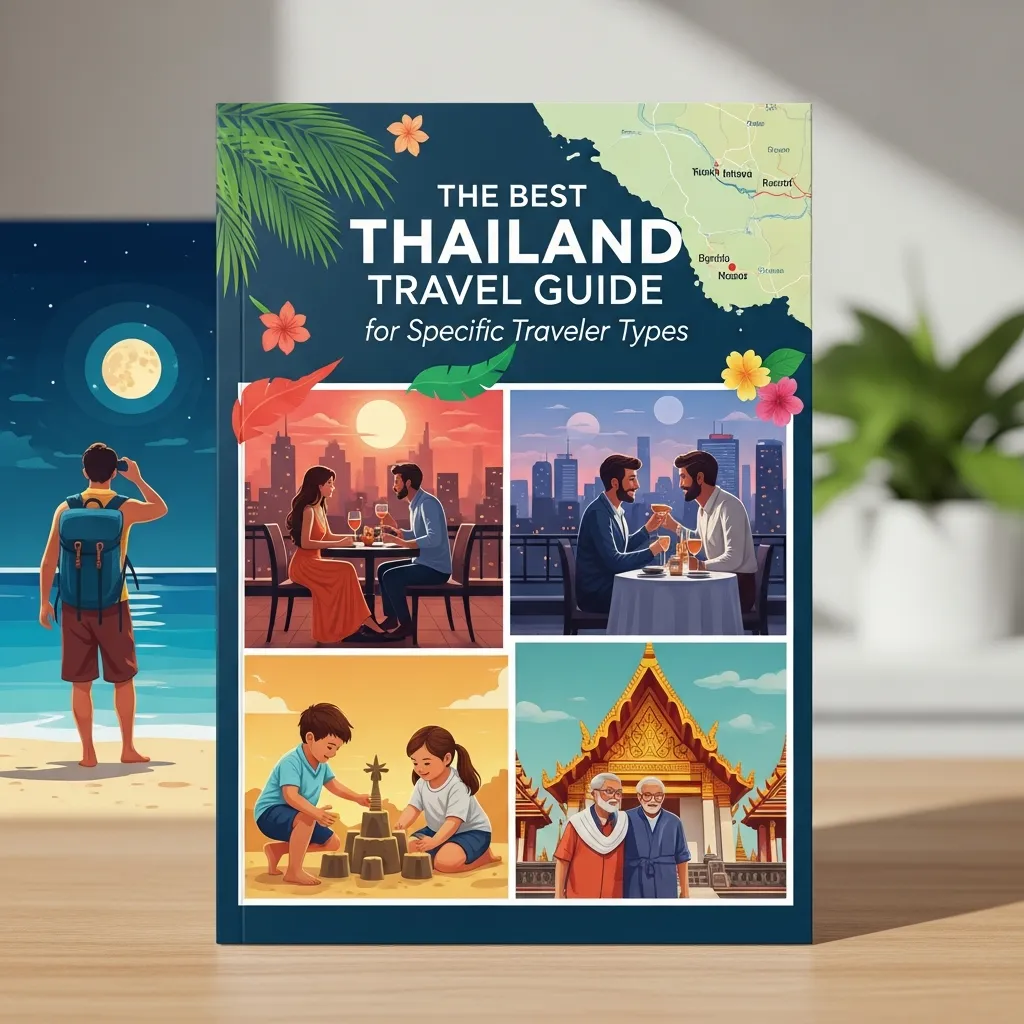
Thailand caters to everyone. Here is how to maximize your trip based on your travel style.
Beginner’s Solo Travel
Thailand is the ultimate destination for Beginner’s Solo Travel. The backpacker infrastructure is highly developed, making it incredibly easy to meet people in hostels, on group tours, and during transit. Stick to the well-trodden “Banana Pancake Trail” (Bangkok, Chiang Mai, the southern islands) to ease into solo adventuring safely.
Family Travel
Thais absolutely adore children. Look for family-friendly resorts in Phuket or Hua Hin that offer kids’ clubs and shallow pools. Interactive experiences like ethical elephant encounters and gentle boat rides are guaranteed hits for younger travelers.
Luxury Travel
For high-end luxury, book private pool villas in Koh Samui or boutique heritage hotels in Bangkok. Treat yourself to Michelin-starred dining experiences and private yacht charters through the Andaman Sea.
Budget Travel
To stretch your dollars, eat where the locals eat. Street food is exceptionally cheap and safe if you choose busy stalls with high turnover. Opt for fan-cooled guesthouses instead of air-conditioned rooms, and use local buses rather than domestic flights.
Start Planning Your Thai Getaway Today
From the misty mountains of the north to the crystal-clear waters of the south, Thailand is a country that consistently exceeds expectations. By following this ultimate Thailand travel guide, you are well-equipped to navigate the culture, transport, and incredible sights with confidence. Pack your bags, practice your Thai greetings, and get ready for the adventure of a lifetime.


Sustainable Travel Advisor with over 10 years of experience designing eco-friendly itineraries and leading community-based tours worldwide. Holds a degree in Environmental Science and training in conservation. Writes about low-impact travel, protecting biodiversity, and creating authentic cultural experiences.




No Comments