


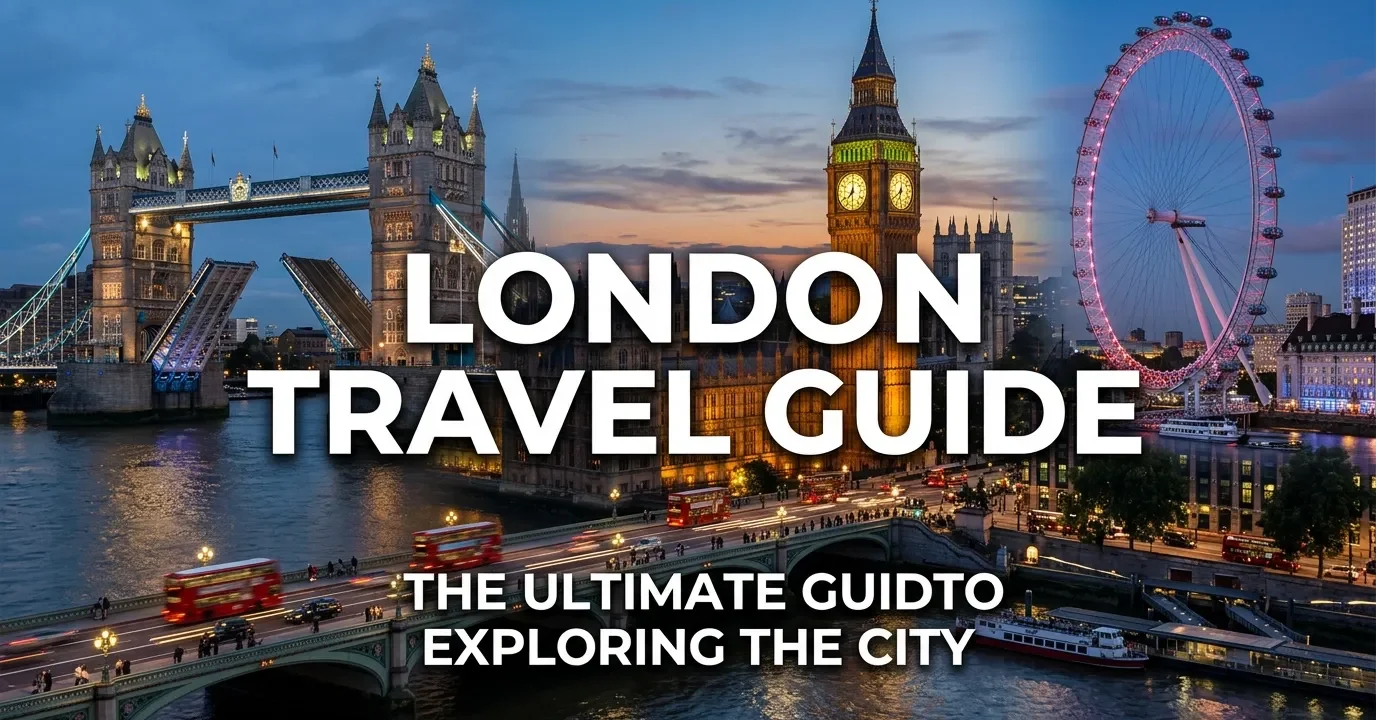
This comprehensive guide covers everything you need for a spectacular trip. From navigating the Tube and choosing the best neighborhoods to exploring iconic landmarks and savoring authentic British cuisine, you will find actionable advice to maximize your time and budget. Whether you’re a first-timer or making a return journey, this London Travel Guide makes planning and exploring effortless.
Welcome to your ultimate London Travel Guide. Discover the historic charm and modern thrills of the UK’s capital with expert tips and unforgettable local experiences. With so much to see and discover, having a well-organized London Travel Guide at your fingertips is essential for making the most of every moment.
Why You Need a Reliable London Travel Guide
London is a sprawling, dynamic metropolis where centuries of history blend seamlessly with cutting-edge culture. Navigating its diverse boroughs, extensive public transit network, and endless array of attractions can overwhelm even the most seasoned traveler. Having a structured plan ensures you spend less time figuring out logistics and more time soaking in the vibrant atmosphere.
When mapping out your journey, integrating our UK travel itineraries can help you sequence your days logically, preventing backtracking and exhaustion. No two days with a good London Travel Guide are ever wasted—every day becomes a new adventure.
Top Neighborhoods to Explore
Choosing the right base is critical to your experience. London is a collection of distinct villages, each offering a unique flavor and pace. The London Travel Guide breaks down the city’s neighborhoods so you can pick exactly what suits your vibe.
Covent Garden & Soho (The West End)
If you want to be in the center of the action, the West End is unbeatable. Covent Garden offers street performers, boutique shopping, and historic markets. Soho, just a short walk away, is the epicenter of London’s nightlife, dining, and theater scene. It is vibrant, crowded, and endlessly entertaining. The London Travel Guide recommends central neighborhoods for easy access to West End theaters, famous restaurants, and buzzing nightlife.
Westminster & South Bank
First-time visitors often flock to Westminster. Here, you stand in the shadow of Big Ben, the Houses of Parliament, and Westminster Abbey. Crossing the River Thames to the South Bank provides stunning skyline views, the London Eye, and a lively pedestrian promenade filled with pop-up food stalls and cultural institutions like the Tate Modern. Use the London Travel Guide to discover walking tours and river walks that offer some of the best photography spots in the city.
Notting Hill & Kensington
For a more romantic and residential feel, head west. Notting Hill charms visitors with its pastel-colored houses and the famous Portobello Road Market. Nearby Kensington boasts world-class museums, including the Natural History Museum and the V&A, alongside the sprawling greenery of Hyde Park. Any London Travel Guide will emphasize the tranquil beauty of West London for visitors who prefer slower-paced days with coffee shops, boutique hotels, and leafy strolls.
Shoreditch, Greenwich, and Richmond
Delve into East London, and you’ll find Shoreditch—a haven for creatives, vintage shoppers, and foodies. Colorful street art, world-famous curry houses on Brick Lane, and quirky shops make Shoreditch a must. Greenwich offers maritime history, the Prime Meridian Line, and one-of-a-kind markets. Richmond, in the far west, is a leafy escape with riverside pubs and the vast expanse of Richmond Park. The London Travel Guide recommends spending at least a day in one of these lesser-explored areas for true local flavor.
Essential Attractions and Hidden Gems
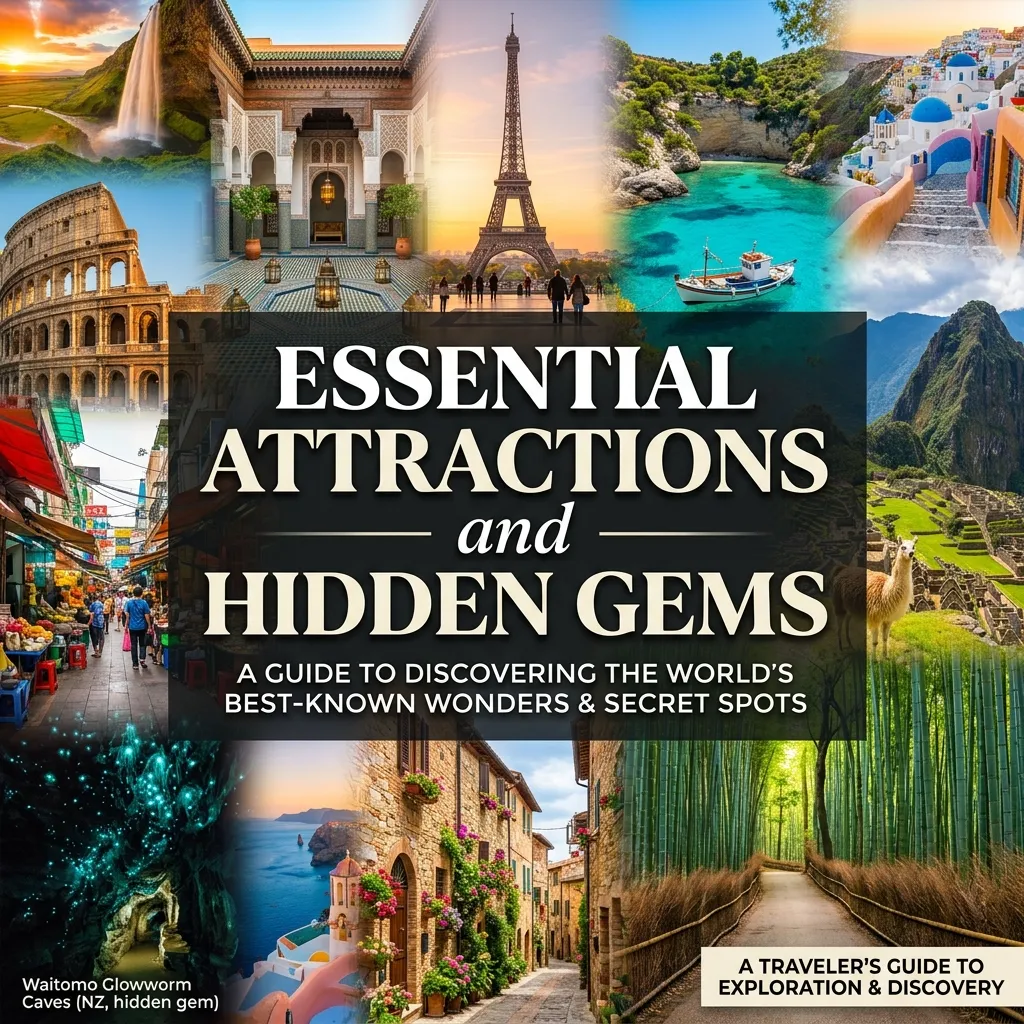
While iconic landmarks are must-sees, balancing them with lesser-known spots elevates your trip. Your London Travel Guide is your passport to a blend of the city’s world-renowned sights and insider discoveries.
The Must-See Icons
- The Tower of London: Explore Britain’s dark history and view the Crown Jewels. For official ticket information, visit the Historic Royal Palaces website.
- Buckingham Palace: Witness the Changing of the Guard. Arrive early for a front-row view—your London Travel Guide will tell you the best spots to stand.
- The British Museum: Home to global artifacts like the Rosetta Stone. Entry is free; your London Travel Guide can help you plan what galleries to prioritize in a limited time.
Off the Beaten Path
- Leadenhall Market: A stunning Victorian market in the financial district that inspired Diagon Alley in Harry Potter. Don’t miss the local pubs and pretty photo ops.
- Little Venice: A picturesque canal area near Paddington, perfect for a quiet afternoon stroll or a narrowboat ride to Camden.
- Sky Garden: A free alternative to the Shard, offering panoramic views of the city from a lush, glass-enclosed indoor garden.
If you enjoy discovering quiet corners in bustling cities, you might also find value in our guide to the best European city breaks. The London Travel Guide ensures you don’t overlook local secrets.
Museum and Gallery Highlights
London has hundreds of museums and galleries. The London Travel Guide will point you to the National Gallery (housing works by Van Gogh, Da Vinci, Turner), Tate Britain, Tate Modern, the V&A for art and design, and the Museum of London for the city’s own story.
Transportation: Getting Around Like a Local
London’s transport system is highly efficient, but it takes a day or two to master. The London Travel Guide offers insider tricks for easy travel and avoiding confusion:
- Use contactless payment (Apple Pay, Google Pay, or a contactless credit card) to tap in and out of the transit network seamlessly. You do not need to buy a traditional Oyster card if your bank card supports contactless transactions.
- Plan your journeys using the TfL (Transport for London) planner app; it provides real-time status updates, step-free access maps, and the latest route disruptions.
- Consider walking between close neighborhoods and along the South Bank of the Thames for charming riverside walks highlighted in your London Travel Guide.
Transport Options Comparison
|
Transport Method |
Best For |
Average Cost per Ride |
Pros |
Cons |
|---|---|---|---|---|
|
The Tube (Underground) |
Quick travel across long distances |
£2.80 – £3.40 |
Fast, frequent, covers the whole city |
Gets crowded, can be hot in summer |
|
Double-Decker Bus |
Sightseeing while traveling |
£1.75 (Hopper fare) |
Cheap, scenic views, flat rate |
Slower due to city traffic |
|
Uber / Taxi |
Late nights or heavy luggage |
Varies (£15 – £40+) |
Direct, private |
Expensive, subject to traffic |
|
Walking |
Exploring central neighborhoods |
Free |
Best way to see hidden details |
Tiring over long distances |
The London Travel Guide always recommends grouping your activities by area to minimize travel time. Thames riverbus services, bike rentals, and e-scooter trials add variety to how you see the city.
Where to Eat and Drink
The British culinary scene has evolved dramatically. The London Travel Guide gives you options from casual eats to fine dining.
Classic British Fare
No London Travel Guide is complete without mention of fish and chips wrapped in newspaper, a hearty Sunday roast in a pub, or a meat pie with mash and parsley liquor at a traditional pie shop. Try places like Mother Mash, The Victoria, or The Mayfair Chippy, recommended in the London Travel Guide.
Global Flavors
London is renowned for its multicultural food scene. For excellent Indian cuisine—a staple in the local diet—head to popular spots like Dishoom or explore the authentic eateries on Brick Lane. From East Asian to Middle Eastern, you’ll find celebrated fusion and authentic flavors in nearly every borough.
Food Markets
- Borough Market: An essential stop for foodies, offering fresh produce, artisanal cheeses, and international street food. Go mid-morning to avoid crowds, tip from any expert London Travel Guide.
- Maltby Street Market: A slightly less crowded, highly curated alternative nestled under railway arches in Bermondsey.
- Camden Market: Eclectic global street food and quirky stalls.
For travelers watching their wallets, our budget travel tips provide excellent strategies for eating well without overspending. The London Travel Guide can suggest free breakfasts at major hotels and happy hour deals everywhere you go.
Afternoon Tea
A distinctly British ritual, the best London Travel Guide will highlight top spots such as Dalloway Terrace for beautiful scenery and authentic scones, or the Instagram-friendly Peggy Porschen Chelsea.
Pro Tips and Expert Insights
To truly experience the city, you must adopt the habits of the locals. This London Travel Guide collects the top strategies:
- Stand on the Right: When using escalators in the Tube stations, always stand on the right and walk on the left. It’s a local etiquette must.
- Embrace the Rain: The weather is notoriously unpredictable. Always carry a lightweight, wind-resistant umbrella or a packable raincoat.
- Look Right: Because traffic drives on the left, you must look right before crossing the street. Many crosswalks have this painted on the ground to help tourists, and every London Travel Guide reminds you to check.
- Book Ahead: Popular attractions and top-tier restaurants book up weeks in advance. Secure your reservations before you fly to avoid disappointment.
- Carry a Battery Bank: With hours out exploring (and maps on your phone), a power boost can save the day.
- Public Restrooms: Not always free; your London Travel Guide will include a map of clean, public toilets and coffee shops with friendly policies toward visitors.
Common Mistakes to Avoid
Even smart travelers fall into a few predictable traps. Avoid these common pitfalls to ensure a smooth trip:
- Taking the Heathrow Express blindly: While fast, it is expensive. The Elizabeth Line or the Piccadilly Line offer much cheaper alternatives to reach central London.
- Only staying in Zone 1: Limiting yourself to the very center means missing the authentic local culture found in areas like Shoreditch, Greenwich, or Richmond.
- Trying to see everything in two days: The city is massive. Group your sightseeing by geographic location to minimize transit time.
- Buying bottled water: Tap water is perfectly safe and free at all restaurants. Bring a reusable bottle.
- Overpacking: You’ll use the Tube and lots of stairs, so pack light and bring comfortable shoes. An essential London Travel Guide tip.
Exploring the city is a breeze when you use this comprehensive London Travel Guide. You are now ready to experience the rich history, vibrant culture, and spectacular sights of the British capital. Start booking your tickets today, pack your bags, and prepare for the amazing adventure of a lifetime.
Things to Do at Night
A trustworthy London Travel Guide will never leave out the city’s vibrant nightlife. Whether you want West End musicals, classic pubs, riverside cocktails at South Bank, or top-notch clubs in Shoreditch, there is a night out for every taste.
Try a Jack the Ripper walking tour, sunset rides on the London Eye, or check for late museum openings. The London Travel Guide lists events and concerts happening during your stay.
Family Friendly London
London is incredibly welcoming to families. The London Travel Guide includes highlights like the Natural History Museum, Princess Diana Memorial Playground, Science Museum (with hands-on experiments), and boat rides on the Thames.
Interactive theatre, Harry Potter Studio Tours, and London Zoo in Regent’s Park round out a kid-friendly itinerary.
Day Trips from London
The city’s excellent train network means you can explore beyond the city using your London Travel Guide:
- Windsor Castle: Royal residence with stunning gardens. 30 minutes by train.
- Bath: Roman ruins and Georgian architecture.
- Oxford or Cambridge: Explore historic university campuses and world-class museums.
- Harry Potter Studios: Must-see for fans; tickets sell out, so book well in advance.
Accessible London Travel Guide Tips
- Most museums and public buildings in central London are wheelchair accessible.
- Many Tube stations still have stairs—use the TfL Step-Free Access Guide for planning.
- The London Travel Guide recommends booking accessible taxis and requesting information on accessible attractions ahead of your trip.
Where to Stay: Accommodation for Every Budget
A London Travel Guide isn’t complete without advice on accommodation. Options include:
- Luxury: The Andaz London blends modern comfort with rich history. Langham and Savoy are equally world-class.
- Boutique: New Road Hotel is chic, affordable, and full of personality.
- Budget: St. Christopher’s Village for a hostel vibe or search for hotel deals near Earls Court.
- Quirky: Book a houseboat on the Thames or a Georgian townhouse in Bloomsbury for a unique stay.
Always read reviews and compare locations so you’re not too far from your daily must-sees.
Events and Festivals
Use your London Travel Guide to find out what’s on: from Wimbledon and Notting Hill Carnival to Christmas markets on the South Bank. Seasonal pop-ups, theatre open-air in Regent’s Park, and summer music festivals make every visit unique.
Shopping in London
From luxury designer boutiques on Bond Street to quirky finds in Camden Market, the London Travel Guide will steer shopaholics to their perfect spree. Don’t miss the historic Fortnum & Mason, Liberty London, or the vintage treasures along Portobello Road.
Technology and SIM Cards
Having access to data is vital for navigation and translation. A London Travel Guide recommends buying a local SIM or eSIM at the airport or from shops in town. Providers like EE, Vodafone, and Three offer easy traveler options. Download key apps like Citymapper, Visit London, and your airline’s app for a seamless experience.
Pro Travel Hacks Included in the London Travel Guide
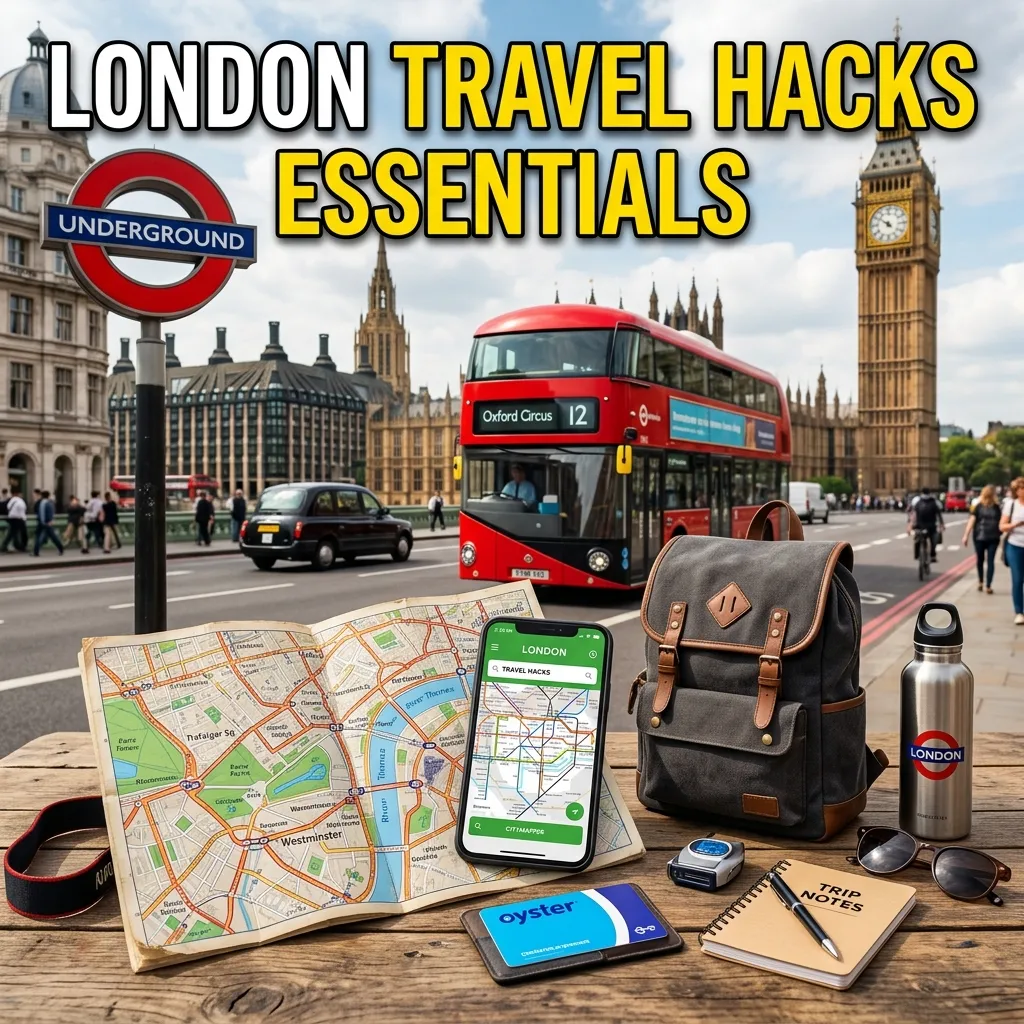
- Free walking tours: Many companies offer tours for just a tip—great for solo travelers and budget-conscious tourists.
- Museum late nights: Some major museums stay open a few evenings a month with unique programs and live music.
- Discounted tickets: The London Travel Guide suggests using apps for last-minute half-price West End show tickets.
Sustainable Travel Tips
With a growing focus on eco-friendly tourism, the London Travel Guide offers sustainable travel advice:
- Use public transport or rent a bicycle instead of taking taxis.
- Choose locally-run hotels and eateries.
- Bring a reusable bag for shopping and a water bottle to refill at public fountains.
FAQs
1. What is the best time of year to visit?
The best time to visit is during the shoulder seasons—spring (April to June) and autumn (September to October). The weather is mild, and you will avoid the massive summer crowds and peak hotel prices. The London Travel Guide encourages visitors to plan for these times.
2. How many days do I need for a first-time trip?
To see the main highlights without rushing, plan for at least four to five full days. This allows you to explore central landmarks, visit a few museums, and take a day trip to a nearby location like Windsor or Bath. With this London Travel Guide, even a long weekend will feel fulfilling.
3. Do I need cash, or are cards accepted everywhere?
The city is virtually cashless. Contactless payments via card or smartphone are accepted almost everywhere, from Tube stations to tiny market stalls. It is rare to need physical currency in the places listed in your London Travel Guide.
4. Is it safe to walk around at night?
Yes, central areas are generally very safe at night. As with any major global city, stay aware of your surroundings, stick to well-lit streets, and keep your belongings secure to prevent pickpocketing. The London Travel Guide suggests saving emergency numbers to your phone.
5. What is the cheapest way to get from the airport to the city?
The cheapest way from Heathrow is to take the Piccadilly Line on the Underground. Alternatively, the Elizabeth Line offers a great balance of speed and affordability compared to the pricier Heathrow Express. The London Travel Guide provides updated fare info and route maps.
6. Are museums really free?
Yes, the vast majority of major public museums—including the British Museum, the National Gallery, and the Tate Modern—are completely free to enter. You only pay for special temporary exhibitions.
7. Do I need to tip at restaurants?
A 12.5% optional service charge is usually added directly to your bill at restaurants. If it is included, you do not need to leave an additional tip. If not, a 10% to 15% tip is customary for good service. The London Travel Guide annotates which dining spots have service charges.
8. What is the best way to get mobile data?
Buying an eSIM before you travel or purchasing a local SIM card at the airport (from providers like EE, Vodafone, or Three) is the most cost-effective way to secure fast and reliable mobile data.
9. Which airport is best to fly into?
Heathrow (LHR) is the largest and best-connected airport. Gatwick (LGW) is also an excellent option with fast train connections. Try to avoid airports like Stansted or Luton if you have a very short trip, as they are further out.
10. Can I do a day trip to Paris?
Yes, the Eurostar train departs from St Pancras International and arrives in Paris in just over two hours. While it makes for a long day, it is entirely possible to go for a day trip if you start early. Your London Travel Guide outlines ticket options and booking platforms.
Conclusion
With its awe-inspiring history, vibrant culture, world-class attractions, and endless opportunities for adventure, London delivers the trip of a lifetime. Using this London Travel Guide as your companion ensures you never miss a must-see sight or hidden local gem. With expert insights on transportation, food, neighborhoods, and pro travel hacks, you can navigate the city with confidence, absorb its unique vibe, and create memories that will last forever.
Get ready to explore London’s storied streets, dynamic neighborhoods, and global culinary scene with the help of your trusted London Travel Guide. Start planning today, and embrace every moment in one of the world’s most iconic cities—you’ll leave with stories and inspiration to last a lifetime.


Sustainable Travel Advisor with over 10 years of experience designing eco-friendly itineraries and leading community-based tours worldwide. Holds a degree in Environmental Science and training in conservation. Writes about low-impact travel, protecting biodiversity, and creating authentic cultural experiences.









No Comments