


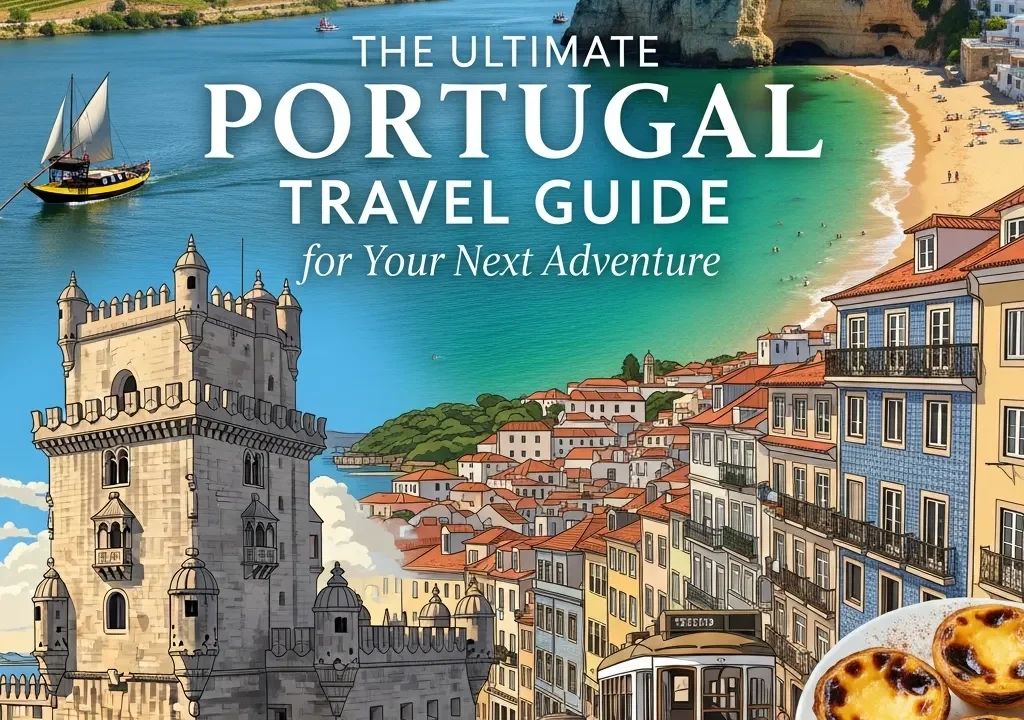
A comprehensive Portugal travel guide covering everything from historic cities to stunning coastlines, perfect for planning affordable family trips and unforgettable adventures.
Portugal has rapidly transformed into one of the most sought-after destinations in Europe. With its sun-drenched beaches, incredibly rich history, and mouth-watering cuisine, the country offers a captivating experience for every type of traveler. You get the charm of old-world Europe combined with modern amenities and a notoriously welcoming local culture.
Navigating a new country can feel overwhelming. That is exactly why we created this comprehensive Portugal travel guide. We want to help you uncover the hidden gems and major highlights of this coastal paradise.
By reading this Portugal travel guide, you will gain access to insider tips on the best places to stay, eat, and explore. We cover everything from the bustling streets of Lisbon to the serene vineyards of the Alentejo region. Get ready to build an itinerary that perfectly suits your travel style and budget.
Planning Your Portugal Adventure
Any good Portugal travel guide starts with the logistics. Planning ahead ensures you can maximize your time and budget while navigating the country with ease.
Best time to visit
Spring (March to May) and autumn (September to October) are widely considered the best times to visit Portugal. During these months, the weather is wonderfully pleasant, and you avoid the intense heat and heavy crowds of the peak summer season. Winter can be rainy, but it offers the lowest prices and the quietest experience at major tourist sites.
Transportation: getting around Portugal
Portugal features an excellent public transportation network. The national train service, Comboios de Portugal (CP), connects major cities like Lisbon, Porto, and Faro efficiently and comfortably. For reaching smaller towns and rural areas, the Rede Expressos bus network is highly reliable. Renting a car is another fantastic option if you plan to explore the countryside or drive along the stunning Algarve coast at your own pace.
Accommodation options: budget-friendly to luxury
Whether you are planning affordable family trips or a luxurious romantic getaway, Portugal has accommodation to fit your needs. Budget travelers can take advantage of the country’s highly-rated hostel network or affordable guesthouses known as pensões. Families might prefer renting apartments through platforms like Airbnb for extra space. For luxury seekers, historic castles and monasteries have been converted into stunning hotels called Pousadas.
Essential packing list
Comfortable walking shoes are the most important item in your suitcase. Portuguese towns are famous for their beautiful but uneven cobblestone streets. Bring layers, as coastal breezes can make evenings chilly even in the summer. Don’t forget a swimsuit, sun protection, and a universal power adapter for European outlets.
Exploring Major Cities
No Portugal travel guide is complete without a deep dive into its most famous urban centers. Each major city boasts a completely unique personality.
Lisbon
Portugal’s vibrant capital city is built across seven hills overlooking the Tagus River.
Historic neighborhoods and landmarks
Wander through the narrow, winding alleys of Alfama, the city’s oldest district. Here, you can hear the soulful sounds of Fado music drifting from small cafes. Be sure to visit the iconic Belém Tower and the majestic Jerónimos Monastery, both shining examples of Portugal’s Age of Discovery.
Culinary delights: pasteis de nata, seafood
You cannot leave Lisbon without eating a pastel de nata, a famous Portuguese custard tart. Head to the original bakery in Belém to taste them warm with a sprinkle of cinnamon. Fresh seafood, particularly grilled sardines and garlic prawns, dominates the local restaurant menus.
Day trips from Lisbon (Sintra, Cascais)
Just a short train ride away sits Sintra, a fairy-tale town filled with brightly colored palaces and dense forests. Alternatively, head to Cascais for a relaxing day exploring a charming coastal resort town with beautiful beaches and a lively marina.
Porto
Located in the north, Porto is famous for its stately bridges, historic architecture, and world-renowned wine.
Port wine cellars and Douro River
Cross the Dom Luís I Bridge to Vila Nova de Gaia. This area houses the famous Port wine cellars where you can take tasting tours and learn about the region’s rich winemaking history. Taking a traditional Rabelo boat cruise down the Douro River offers incredible views of the city.
Ribeira district and historic center
The Ribeira district is a UNESCO World Heritage site. Colorful houses stack up along the riverfront, creating a picturesque backdrop for dinner or a twilight stroll. Explore the stunning azulejo (blue tile) murals inside the São Bento Railway Station.
Arts and culture scene
Porto boasts a thriving arts scene. Visit the Serralves Foundation for contemporary art or catch a performance at the modern Casa da Música. The city perfectly blends historic tradition with modern creativity.
Faro and the Algarve
The southern coastline is the crown jewel of Portuguese summer tourism.
Stunning beaches and coastal towns
The Algarve features some of the most dramatic coastlines in the world. Towering limestone cliffs meet crystal-clear turquoise waters. Praia da Marinha and Praia de Benagil are absolute must-visit beaches.
Water activities and natural parks
Beyond lounging on the sand, the Algarve is perfect for surfing, kayaking, and paddleboarding. Nature lovers should explore the Ria Formosa Natural Park, a unique coastal lagoon system teeming with local wildlife and migratory birds.
Family-friendly resorts and activities
This region is an anchor for affordable family trips. Towns like Albufeira and Vilamoura offer family-friendly resorts, massive water parks, and calm beaches with safe swimming conditions for children.
Beyond the Cities: Discovering Portugal’s Diverse Regions
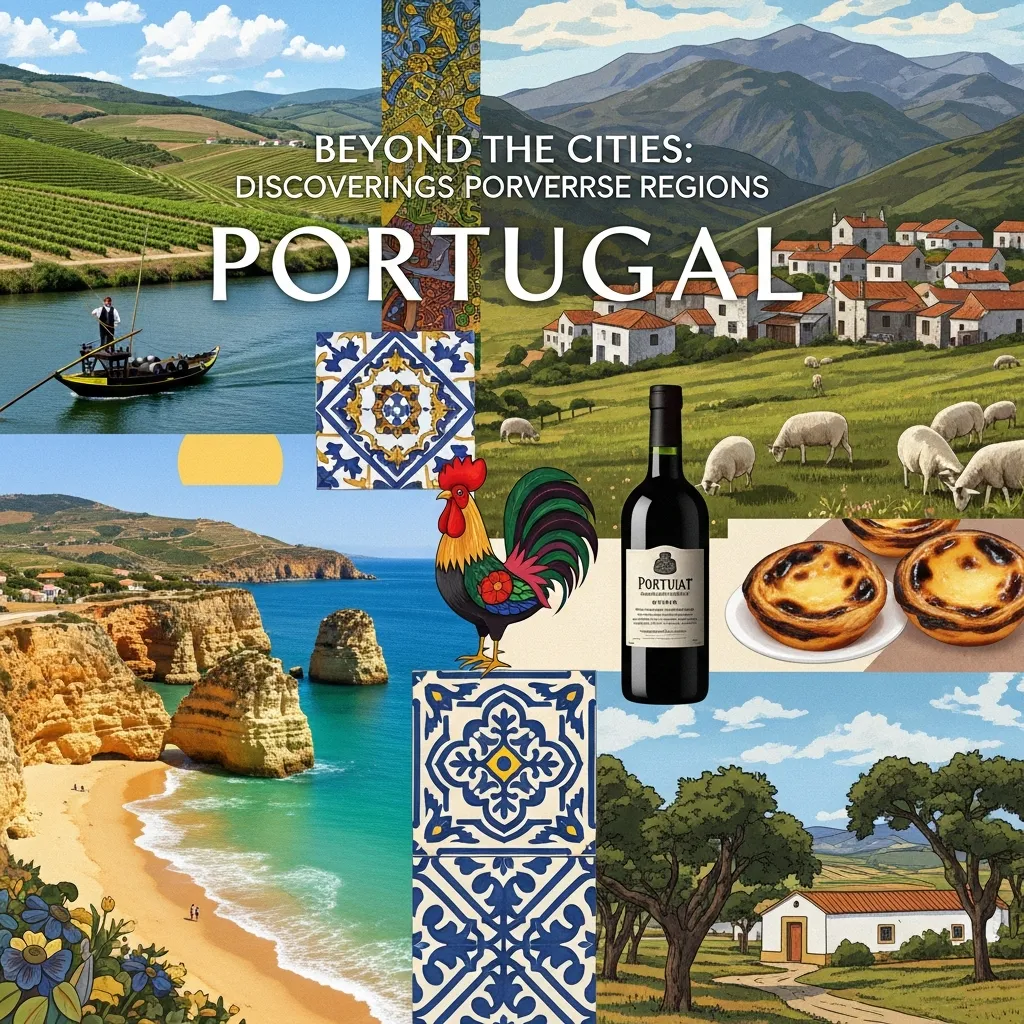
To truly experience the country, this Portugal travel guide highly recommends venturing beyond Lisbon and Porto.
Central Portugal: Coimbra, Aveiro
Coimbra is home to one of the oldest universities in Europe. The university’s Joanina Library is a jaw-dropping baroque masterpiece. A bit further north lies Aveiro. Often called the “Venice of Portugal,” Aveiro is famous for its picturesque canals and colorful moliceiro boats.
Northern Portugal: Braga, Guimarães
The north is the historic birthplace of the nation. Guimarães features a remarkably preserved medieval town center and a towering castle. Nearby, Braga acts as the religious capital of Portugal, known for the spectacular Bom Jesus do Monte sanctuary and its monumental zig-zagging staircase.
Alentejo: vineyards, historic villages, dark sky reserves
Covering a massive portion of the country, the Alentejo region is defined by rolling plains, cork oak trees, and sprawling vineyards. It is a slow-paced region perfect for wine tasting and exploring ancient walled towns like Évora. The Alqueva Dark Sky Reserve offers some of the best stargazing conditions in the entire world.
Culinary Journey Through Portugal
Food is a central pillar of Portuguese culture. Any comprehensive Portugal travel guide must highlight the flavors that define the country.
Must-try dishes and local specialties
Bacalhau (salted cod) is a national obsession, and locals claim there are 365 different ways to cook it. Another heavy hitter is the Francesinha, a massive meat sandwich from Porto smothered in melted cheese and a rich tomato-beer sauce. For a hearty meal, try Caldo Verde, a traditional soup made with kale, potatoes, and chorizo.
Wine regions and tasting experiences
Portugal offers incredible wine at astonishingly low prices. The Douro Valley is the birthplace of Port, but it also produces fantastic unfortified red wines. The Vinho Verde region in the north is famous for its crisp, slightly effervescent green wine, perfectly paired with fresh seafood.
Markets and food tours
To eat like a local, visit a traditional market like the Mercado da Ribeira in Lisbon or the Mercado do Bolhão in Porto. Booking a local food tour early in your trip is a fantastic way to discover hidden neighborhood restaurants that you might otherwise walk right past.
Affordable Family Trips in Portugal
Portugal is widely celebrated as one of the most budget-friendly destinations in Western Europe, making it an ideal choice for affordable family trips.
Budget-friendly activities and attractions
Many of Portugal’s best experiences cost absolutely nothing. Spending a day at the beach, hiking coastal trails, or wandering through centuries-old castle ruins are all free or very cheap. Many major museums also offer free entry on Sundays or specific holidays.
Tips for saving money on accommodation and food
To keep costs down, skip the international hotel chains and look for local guesthouses. When dining out, look for the Menu do Dia (Menu of the Day) at lunchtime. These set menus usually include soup, a main course, dessert, and a drink for a fraction of the dinner price.
Family-focused itineraries and destinations
For affordable family trips, consider basing yourselves in a coastal town slightly outside the major tourist hubs. Towns like Nazaré or Tavira offer cheaper accommodation while still providing easy access to great beaches, historical sites, and excellent public transport connections.
Cultural Insights and Tips
Understanding local customs makes your trip smoother and far more rewarding. Keep these cultural tips from our Portugal travel guide in mind.
Local customs and etiquette
Portuguese people are generally polite, warm, and somewhat reserved. Greeting shop owners with a friendly “Bom dia” (Good morning) or “Boa tarde” (Good afternoon) goes a long way. Tipping is not strictly mandatory, but leaving 5-10% for good service in restaurants is greatly appreciated.
Basic Portuguese phrases
While English is widely spoken in tourist areas, learning a few words is highly recommended:
- Olá – Hello
- Obrigado (if you are male) / Obrigada (if you are female) – Thank you
- Por favor – Please
- Com licença – Excuse me
Festivals and events
Portugal loves a good party. June is a massive month for festivals, particularly the Feast of St. Anthony in Lisbon and the Feast of St. John in Porto. These events fill the streets with parades, grilled sardines, music, and dancing late into the night.
Ready for Your Portuguese Adventure?
Portugal’s charm lies in its diverse offerings. You can surf massive waves in the morning, explore a 12th-century castle in the afternoon, and dine on world-class seafood by sunset. It is a country that consistently over-delivers on culture, scenery, and value.
We hope this Portugal travel guide has inspired you to start planning. Whether you are seeking solo adventures, romantic escapes, or affordable family trips, Portugal is ready to welcome you with open arms. Start looking at flights, draft your itinerary, and get ready for an unforgettable journey.
Frequently Asked Questions – Portugal Travel Guide
1. Is Portugal an expensive country to visit?
No, according to most travelers, a Portugal Travel Guide will often describe Portugal as one of the most affordable destinations in Western Europe. While Lisbon and the Algarve can become more expensive during summer, transportation, local food, and accommodations are usually budget-friendly compared to many neighboring European countries.
2. What are the best destinations for families in a Portugal Travel Guide?
A Portugal Travel Guide commonly recommends the Algarve for families because of its sunny beaches, family resorts, and exciting waterparks. Cascais, Nazaré, and Porto are also excellent family-friendly destinations offering cultural attractions, outdoor activities, and relaxing coastal experiences.
3. Do I need a visa to follow a Portugal Travel Guide itinerary?
Portugal is part of the Schengen Area, so travelers from countries like the United States, Canada, Australia, and the United Kingdom can usually stay for up to 90 days without a tourist visa. A reliable Portugal Travel Guide always recommends checking updated entry requirements before departure.
4. What is the best way to travel around Portugal?
Most Portugal Travel Guide recommendations suggest using the Alfa Pendular high-speed train for traveling between Lisbon, Porto, and Faro. Renting a car is also highly recommended for exploring smaller villages, coastal towns, and countryside regions more comfortably.
5. Is English commonly spoken in Portugal?
Yes, a Portugal Travel Guide will usually mention that English is widely spoken in tourist areas, hotels, restaurants, and larger cities. Younger generations especially speak English well, although learning a few Portuguese phrases is always appreciated by locals.
6. What foods should I try during my Portugal trip?
Every Portugal Travel Guide highlights famous dishes like Pastéis de Nata, Bacalhau, grilled sardines, Francesinha sandwiches, and Polvo à Lagareiro. Portugal is also known for excellent seafood, olive oil, pastries, and regional wines.
7. Is Portugal safe for tourists?
Yes, Portugal consistently ranks among the safest countries in the world. A Portugal Travel Guide typically describes the country as very safe for solo travelers, couples, and families. However, visitors should still stay alert in crowded tourist areas and public transportation zones where pickpocketing can occasionally happen.
8. What souvenirs are recommended in a Portugal Travel Guide?
Popular souvenirs mentioned in almost every Portugal Travel Guide include cork products, handmade Azulejo tiles, Port wine, Portuguese ceramics, embroidered textiles, and locally produced olive oil. These traditional items reflect the country’s rich culture and craftsmanship.
9. Which beaches are considered the best in Portugal?
A Portugal Travel Guide often recommends Praia da Marinha and Benagil Beach for stunning coastal scenery. Nazaré and Peniche are famous surfing destinations, while the Alentejo coastline is perfect for travelers searching for quieter and less crowded beaches.
10. Can I use credit cards everywhere in Portugal?
Most hotels, restaurants, shopping centers, and tourist attractions accept cards. However, a smart Portugal Travel Guide advises travelers to carry some cash because small local cafes, rural shops, and traditional markets may only accept euros in cash.
11. What outdoor activities are popular in Portugal?
A Portugal Travel Guide usually highlights surfing, hiking, kayaking, cycling, golfing, and coastal boat tours as some of the country’s most popular outdoor activities. Portugal’s pleasant climate and beautiful coastline make it ideal for adventure lovers year-round.
12. How many days do I need for a complete Portugal Travel Guide itinerary?
According to most Portugal Travel Guide recommendations, 10 to 14 days is ideal for exploring Lisbon, Porto, Sintra, and the Algarve comfortably. Travelers with limited time can still enjoy a wonderful experience by focusing on one or two regions during a shorter 7-day trip.


Sustainable Travel Advisor with over 10 years of experience designing eco-friendly itineraries and leading community-based tours worldwide. Holds a degree in Environmental Science and training in conservation. Writes about low-impact travel, protecting biodiversity, and creating authentic cultural experiences.









No Comments