


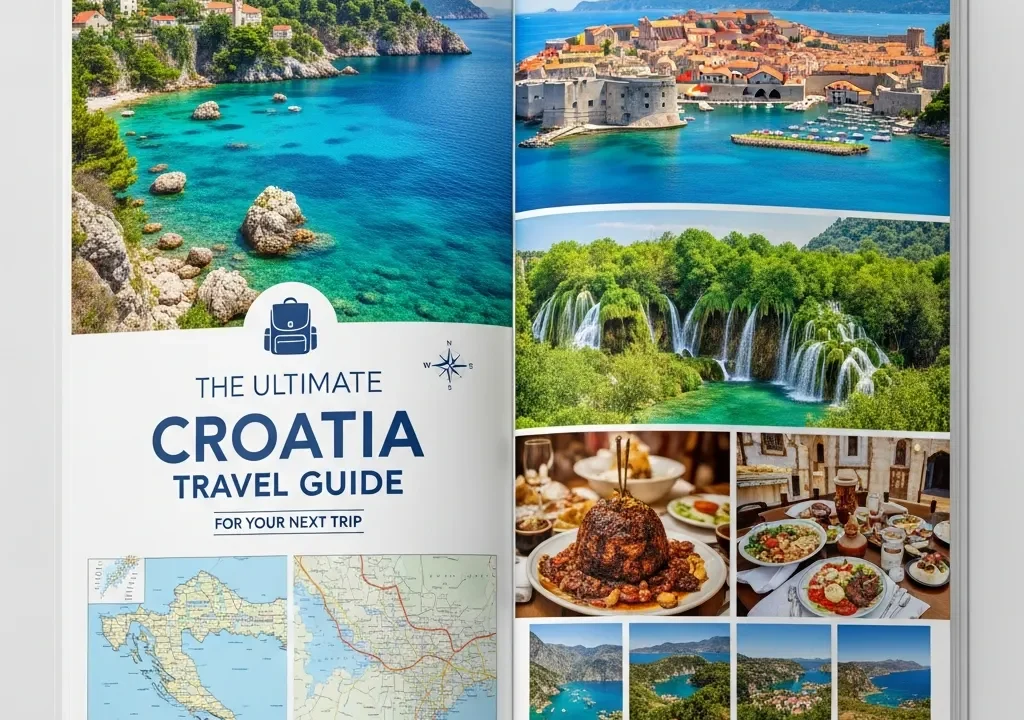
Discover the magic of Croatia with this comprehensive travel guide, covering everything from stunning coastlines to ancient cities, perfect for an unforgettable adventure.
If you are planning a trip to Europe and want a destination that perfectly balances rich history, stunning natural landscapes, and incredible cuisine, you are in the right place. Croatia has rapidly become one of the most sought-after destinations on the continent. Its sun-drenched islands, ancient Roman ruins, and welcoming culture create an atmosphere that appeals to every type of traveler.
Navigating this beautiful country requires a bit of planning, especially if you want to make the most of your time and budget. This Croatia travel guide is designed to help you organize the ultimate itinerary. We will cover everything from the bustling streets of Zagreb to the serene waters of the Adriatic Sea.
Whether you are looking for an action-packed holiday or a relaxing beach getaway, this comprehensive Croatia travel guide provides the insights you need. Let this resource serve as your roadmap to discovering the coastal wonders, inland charms, and hidden gems of this remarkable nation.
Introduction to Croatia: The Jewel of the Adriatic
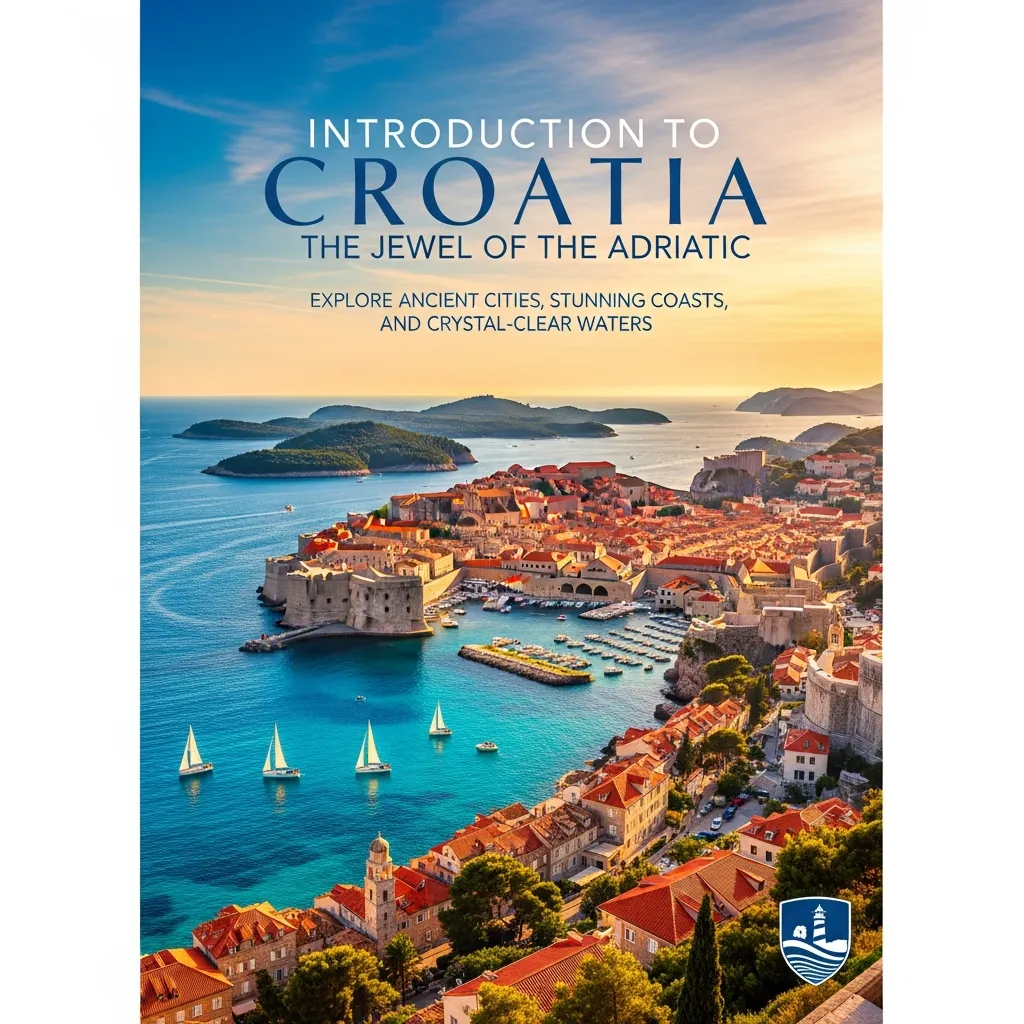
Why Croatia?
Croatia is a unique destination where Central European and Mediterranean cultures meet. Reading through any Croatia travel guide, you will quickly realize that the country offers an incredible variety of experiences packed into a relatively small geographic area. You can spend your morning hiking through lush, waterfall-filled national parks and your afternoon sipping local wine on a yacht in the Adriatic.
A Diverse Offering
The country boasts a diverse landscape that includes over 1,000 islands, dramatic mountain ranges, and historic walled cities. History enthusiasts will love exploring medieval fortresses and Roman palaces. Nature lovers can find solace in the pristine national parks. Meanwhile, foodies will appreciate a culinary scene heavily influenced by Italian, Austrian, and Turkish traditions.
Planning Your Croatian Adventure
Best Time to Visit
The ideal time to visit Croatia largely depends on your travel style. The summer months of July and August bring the warmest weather and vibrant festivals, but they also bring peak crowds and higher prices. For a more relaxed experience, consider visiting during the shoulder seasons of May to June or September to October. The weather remains pleasant, the sea is warm enough for swimming, and the popular attractions are much less crowded.
Visa Requirements and Travel Essentials
Croatia is a member of the European Union and the Schengen Area. Travelers from the US, UK, Canada, and Australia can typically enter visa-free for up to 90 days within a 180-day period. Always check the latest entry requirements before booking your flights. Pack comfortable walking shoes for the cobblestone streets, sun protection for the coastal areas, and a universal adapter for your electronics.
Getting Around
Croatia offers an excellent infrastructure for travelers. Renting a car gives you the freedom to explore at your own pace, and it is highly recommended if you are interested in Eco-Friendly Road Trips using electric or hybrid rental vehicles. Public buses are reliable, affordable, and connect most major towns and cities. If you plan to visit the islands, a network of ferries and catamarans operates frequently, especially during the summer.
Coastal Wonders: Island Hopping and Beaches
Dubrovnik: The Pearl of the Adriatic
No Croatia travel guide is complete without a prominent mention of Dubrovnik. Famous for its spectacular Old Town, this UNESCO World Heritage site is surrounded by massive stone walls completed in the 16th century.
- Old Town and City Walls: Walking the city walls offers breathtaking views of the terracotta roofs and the shimmering sea.
- Game of Thrones Sites: Fans of the show will recognize Fort Lovrijenac and the Jesuit Stairs, which served as iconic filming locations.
Split: Diocletian’s Palace and Vibrant City Life
Split is Croatia’s second-largest city and a major hub for island hopping. The heart of the city is Diocletian’s Palace, an ancient Roman fortress that now houses shops, cafes, and apartments. The lively Riva promenade is the perfect spot for people-watching and enjoying a coffee by the water.
Hvar: Island Glamour and Nightlife
Hvar is known as the sunniest spot in the country and a favorite destination for celebrities and yacht owners. Beyond its glamorous nightlife, Hvar offers fragrant lavender fields, ancient fortresses, and excellent local wineries.
Korčula: Marco Polo’s Birthplace
Often referred to as a “mini Dubrovnik,” Korčula features a stunning medieval old town. It is widely believed to be the birthplace of the famous explorer Marco Polo. The island is also renowned for its dense pine forests and excellent white wines.
Brač: Zlatni Rat Beach
Brač is home to the famous Zlatni Rat (Golden Horn) beach, a spit of land that changes shape with the wind and tide. The island is fantastic for outdoor activities, including windsurfing, hiking to the summit of Vidova Gora, and exploring traditional stone villages.
Hidden Coves and Pristine Beaches
If you want to escape the crowds, venture out to smaller islands like Vis or Mljet. Here, you will find secluded bays, hidden coves, and crystal-clear waters perfect for snorkeling and swimming in peace.
Inland Charms: National Parks and Historical Sites
Plitvice Lakes National Park
Plitvice Lakes is arguably Croatia’s most famous natural attraction. The park consists of 16 terraced lakes joined by spectacular waterfalls that extend into a limestone canyon. Wooden walkways allow visitors to hike right over the turquoise waters.
Krka National Park
Located further south, Krka National Park is famous for a series of seven magnificent waterfalls, the most notable being Skradinski Buk. The park also features historical watermills and the picturesque Visovac Monastery, situated on a tiny island in the middle of a lake.
Zagreb: The Vibrant Capital City
Many visitors rush straight to the coast, but this Croatia travel guide highly recommends spending a few days in Zagreb. The capital is divided into two main areas.
- Upper and Lower Town: The historic Upper Town features cobblestone streets and the iconic St. Mark’s Church. The Lower Town is characterized by wide avenues, grand Austro-Hungarian architecture, and beautiful parks.
- Museums and Food Scene: Do not miss the quirky Museum of Broken Relationships. Afterward, explore the city’s thriving cafe culture and craft beer scene.
Pula: Roman Amphitheater
Located in the Istria region, Pula is famous for its remarkably well-preserved Roman amphitheater. Once the site of gladiator fights, the arena now hosts summer concerts and film festivals.
Gastronomy: A Taste of Croatia
Seafood Delicacies
Along the Dalmatian coast, seafood rules the menu. You will find incredible dishes featuring freshly caught squid, octopus, and fish, often grilled simply with olive oil, garlic, and parsley.
Traditional Dishes
- Peka: A traditional Dalmatian dish where meat (often lamb or veal) and vegetables are slow-cooked under a bell-like dome buried in glowing embers.
- Štrukli: A comforting pastry from the Zagreb region, filled with cottage cheese and sour cream, served baked or boiled.
- Pasticada: A slow-cooked beef stew served with gnocchi, popular at weddings and special occasions.
Wines and Olive Oils
Croatia produces exceptional olive oil, particularly in the Istria region. The country also boasts a growing reputation for its indigenous wines, such as Plavac Mali (a robust red) and Malvazija (a crisp white).
Local Markets
To truly experience the local food culture, visit an open-air market like Dolac in Zagreb or the Green Market in Split. Here, you can sample fresh produce, artisan cheeses, and cured meats.
Activities and Experiences
Sailing and Kayaking
With its long coastline and hundreds of islands, Croatia is a premier destination for sailing. If you prefer staying closer to shore, sea kayaking is a fantastic way to explore hidden sea caves and quiet beaches.
Hiking and Cycling
The mountainous terrain of Paklenica National Park offers world-class hiking and rock climbing. For cyclists, the Istrian peninsula features beautiful rolling hills and dedicated biking trails that connect ancient hilltop towns.
Adventure Sports
For adrenaline junkies, the Cetina River near Omiš is perfect for white-water rafting and zip-lining across dramatic canyons.
Cultural Festivals
Timing your trip to coincide with local festivals can greatly enhance your experience. Look out for the Dubrovnik Summer Festival, featuring open-air theater and music, or the vibrant Carnival celebrations in Rijeka.
Sustainable and Responsible Travel
As tourism grows, adopting a Slow Travel Guide mentality becomes crucial. Rather than rushing through ten cities in a week, spend more time in fewer places. This approach reduces your carbon footprint and allows for a deeper connection with the local culture.
Minimizing Your Impact
Opt for Eco-Friendly Road Trips by renting fuel-efficient vehicles or using public transport. Bring a reusable water bottle, as tap water is safe to drink throughout the country, and avoid single-use plastics.
Supporting Local Communities
Choose locally-owned guesthouses (known as sobe) over massive international hotel chains. Dine at family-run konobas (traditional taverns) and purchase souvenirs directly from local artisans.
Budgeting for Your Trip
This Croatia travel guide aims to help you plan a trip that fits your financial means. While Croatia is no longer the ultra-budget destination it once was, it still offers great value compared to Western Europe.
- Accommodation: Luxury resorts and boutique hotels dominate places like Hvar and Dubrovnik. For budget travelers, hostels and private apartment rentals offer excellent alternatives.
- Food and Dining: Eating at restaurants in prime tourist areas will drain your wallet quickly. Walk a few streets back from the main squares to find authentic, reasonably priced meals.
- Activities: National park entrance fees fluctuate by season, peaking in the summer. Factor these costs into your daily budget.
- Money-Saving Tips: Buy city passes for discounted entry to museums and public transport. Cook a few meals in your rental apartment using ingredients from the local market.
Safety and Practical Tips
Customs and Etiquette
Croatians are warm and hospitable but appreciate good manners. Dress modestly when visiting churches. When greeting someone, a firm handshake and direct eye contact are customary.
Health and Emergencies
Healthcare facilities in major cities are excellent. Pharmacies (ljekarna) are widely available for minor ailments. In an emergency, dial 112 for immediate assistance.
Staying Connected
Wi-Fi is widely available in hotels, cafes, and public squares. If you need constant connectivity, pick up a local prepaid SIM card upon arrival at the airport or a local kiosk.
Comparing Croatia with Other Destinations
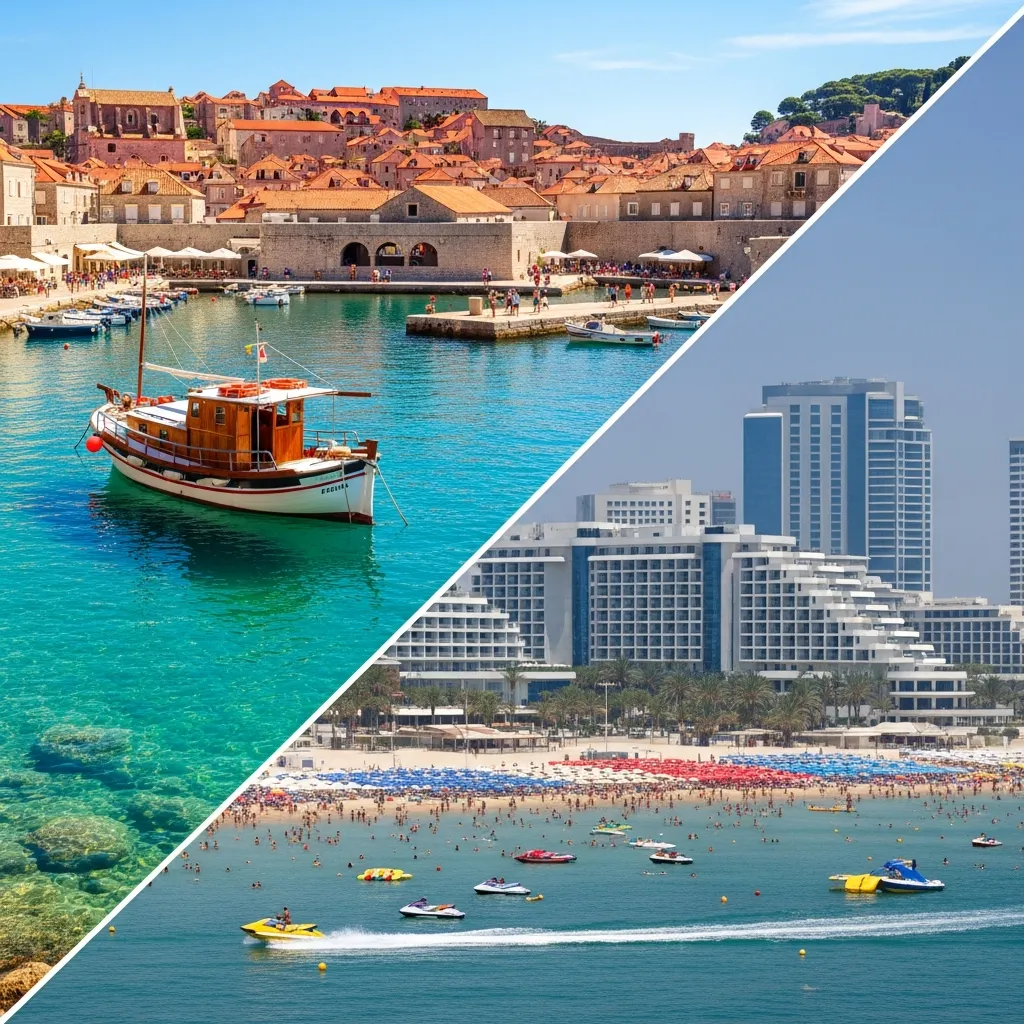
When planning a European getaway, travelers often compare the Mediterranean coasts. If you look at a Portugal Travel Guide, you will notice similarities, such as stunning shorelines, historic architecture, and a strong emphasis on seafood. However, Croatia offers a more distinct Central European influence, pebble beaches rather than sandy shores, and the unique experience of navigating an intricate archipelago of hundreds of islands.
Prepare for an Unforgettable Journey
Croatia is a destination that captures the heart of every traveler. From the mesmerizing waterfalls of Plitvice to the sun-soaked stones of Dubrovnik, every corner of this country offers something spectacular. Use this Croatia travel guide to plan your itinerary, but leave room for spontaneity. The best travel memories often come from unexpected moments—a friendly conversation with a local vendor, discovering an empty beach, or tasting a wine you have never heard of. Pack your bags, book your tickets, and get ready for an unforgettable Croatian adventure.


Sustainable Travel Advisor with over 10 years of experience designing eco-friendly itineraries and leading community-based tours worldwide. Holds a degree in Environmental Science and training in conservation. Writes about low-impact travel, protecting biodiversity, and creating authentic cultural experiences.








No Comments