


This New Zealand travel guide covers everything you need to plan an unforgettable trip—when to visit, how to get around, top sights on both islands, must-do activities, accommodation choices, and practical tips. Aim for two to three weeks to see the highlights of the North and South Islands.
New Zealand packs more variety into two small islands than most countries manage across an entire continent. You can hike across a volcanic crater in the morning, sip world-class Sauvignon Blanc by afternoon, and watch dolphins play at sunset. Snow-capped peaks, glowing geysers, ancient forests, and turquoise lakes all sit within a few hours’ drive of each other.
This New Zealand travel guide will help you turn that wish list into a real itinerary. You’ll learn the best time to visit, what you need to enter the country, how to move between regions, and which experiences deserve a spot on your schedule. Whether you crave adrenaline or quiet scenery, there’s a corner of the country for you.
By the end, you’ll know how to budget, what to pack, and how to travel responsibly so the landscapes stay pristine for future visitors. Let’s start planning.
Why is New Zealand a must-visit destination?
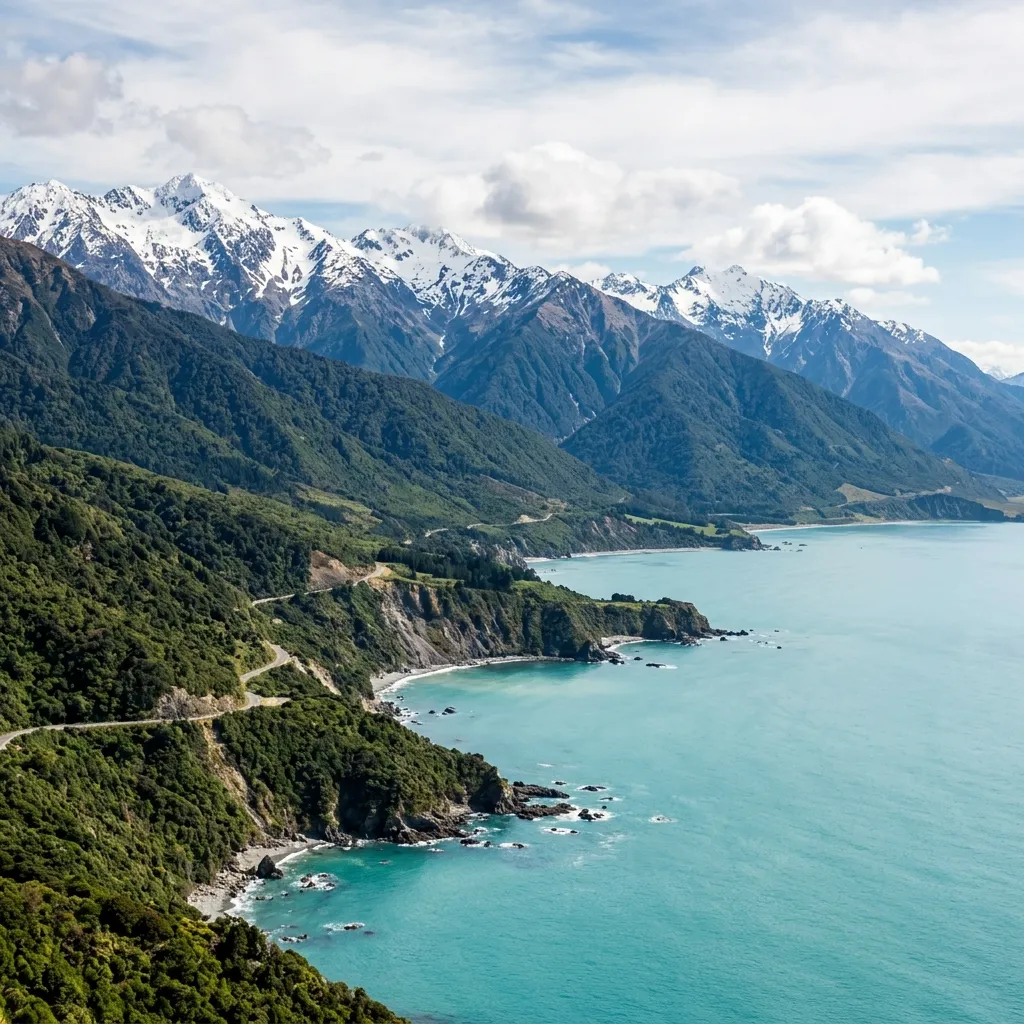
New Zealand—or Aotearoa, “the land of the long white cloud”—offers an extraordinary mix of scenery and culture in a compact, safe, and welcoming package. Few destinations let you ski, surf, and explore a rainforest in a single trip.
The country is made up of two main islands. The North Island is known for its geothermal activity, Maori heritage, golden beaches, and lively cities like Auckland and Wellington. The South Island is famous for dramatic mountains, fjords, glaciers, and adventure hubs like Queenstown. Together they offer something for every kind of traveler.
How do you plan a trip to New Zealand?
A little planning goes a long way. Here are the essentials before you book.
When is the best time to visit New Zealand?
New Zealand’s seasons are flipped from the Northern Hemisphere. Summer (December to February) brings warm weather ideal for beaches and hiking. Autumn (March to May) offers fewer crowds and golden scenery. Winter (June to August) is peak ski season in Queenstown and Wanaka. Spring (September to November) delivers blooming gardens and baby wildlife.
For a balance of good weather and smaller crowds, the shoulder months of March, April, October, and November are hard to beat.
Do you need a visa to enter New Zealand?
Many travelers from visa-waiver countries don’t need a full visa but must request an NZeTA (New Zealand Electronic Travel Authority) before arriving. You’ll also pay the International Visitor Conservation and Tourism Levy. Always check the official Immigration New Zealand website for your country’s specific requirements, since rules can change.
How do you get to and around New Zealand?
Most international visitors arrive by air at Auckland, Christchurch, or Wellington. If you’re flying from the United States, comparison tools like Google Flights Atlanta can help you spot affordable routes and connecting flights from major hubs. Booking a few months ahead usually lands the best fares.
Once you arrive, renting a car or campervan is the most popular way to explore. Roads are well maintained but often narrow and winding, so allow extra driving time. Domestic flights, intercity buses, and trains fill the gaps for those who prefer not to drive.
What are the top North Island highlights?
The North Island blends urban energy with steaming landscapes and rich Maori culture.
Auckland: City of Sails
Auckland is the country’s largest city, set between two harbors. Climb the Sky Tower for sweeping views, hop a ferry to Waiheke Island for vineyards and beaches, and explore a dining scene that spans cuisines from across the Pacific and Asia.
Rotorua: geothermal wonderland and Maori culture
Rotorua bubbles with geysers, mud pools, and hot springs. The famous Pohutu Geyser can shoot water 30 meters high. Rotorua is also one of the best places to experience Maori culture, including a traditional hangi feast cooked underground and powerful cultural performances.
Wellington: the coolest little capital
New Zealand’s capital is compact, creative, and packed with great coffee. Visit Te Papa, the excellent national museum, ride the cable car, and hike up Mount Victoria for panoramic views. The food and craft-beer scene rivals cities many times its size.
Tongariro National Park: volcanic landscapes
This dual World Heritage site features active volcanoes and otherworldly terrain. The Tongariro Alpine Crossing is widely rated as one of the best single-day hikes on Earth, passing emerald lakes and steaming vents across roughly 19.4 kilometers.
What are the best South Island adventures?
The South Island is where the scenery turns truly cinematic.
Queenstown: adventure capital of the world
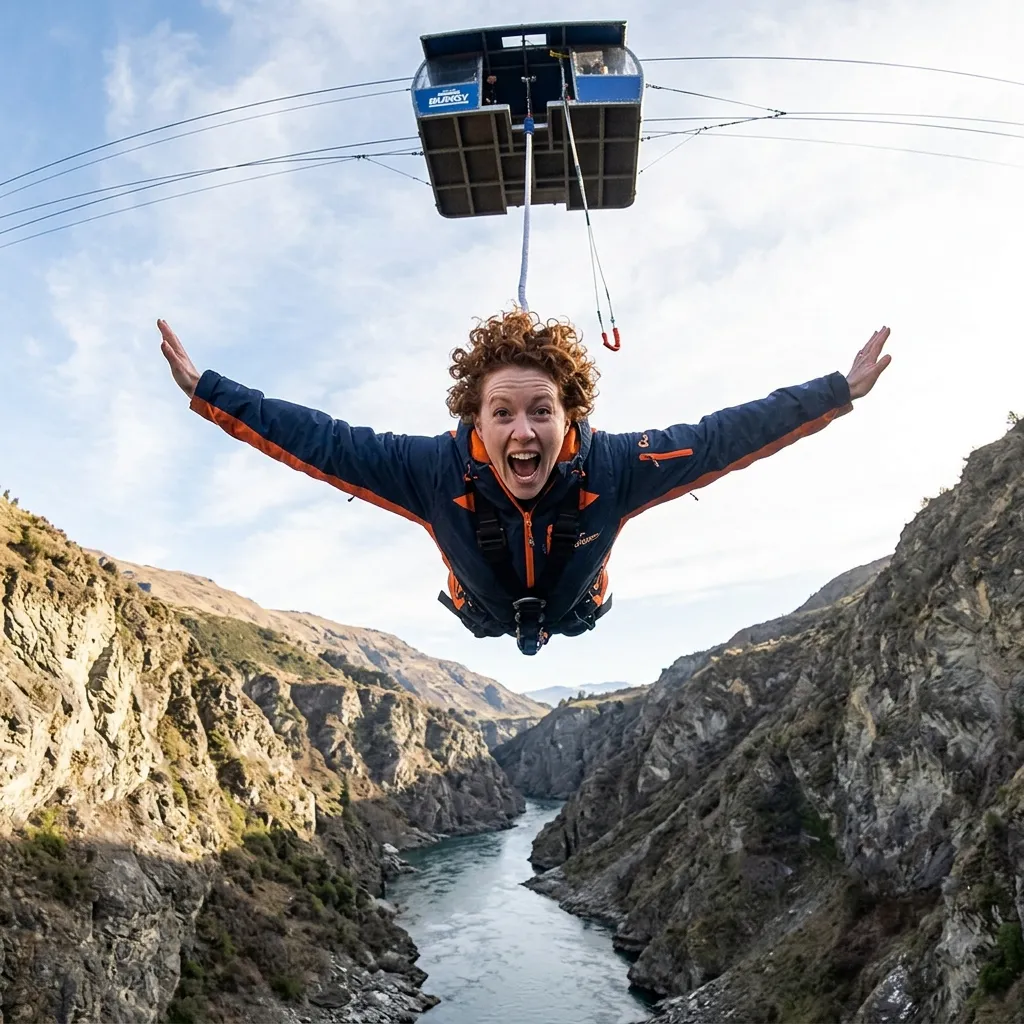
Queenstown invented commercial bungee jumping and hasn’t slowed down since. Try bungee jumping, jet boating through narrow canyons, or skiing in winter. It’s also a launch point for day trips to Milford Sound and a relaxed spot to enjoy lakeside restaurants.
Fiordland National Park: Milford Sound and Doubtful Sound
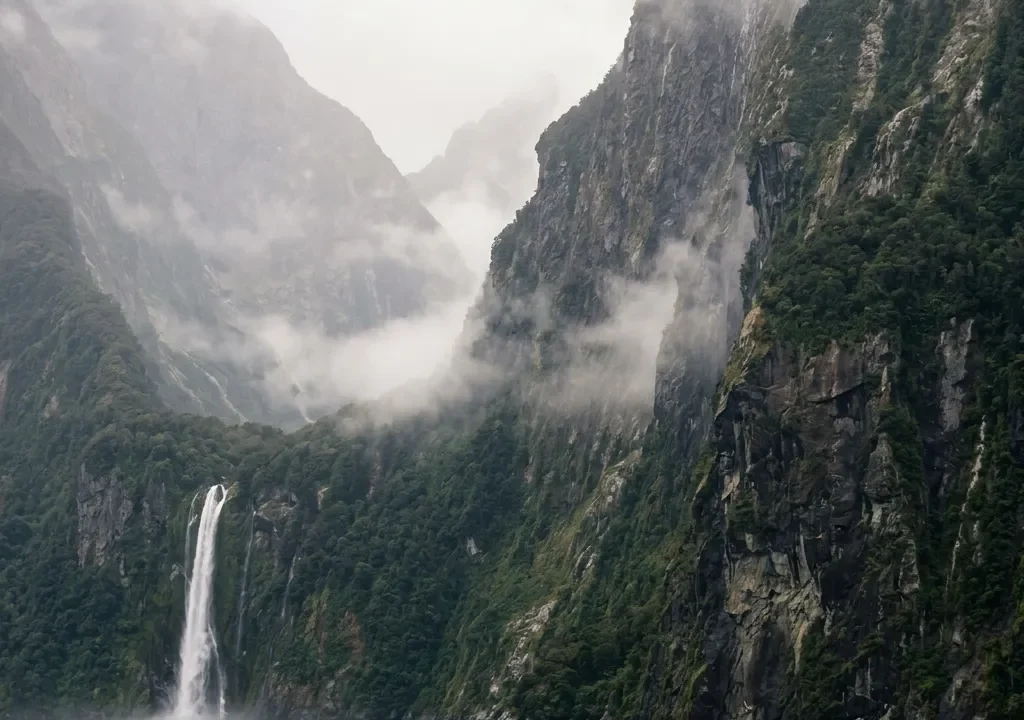
Milford Sound is New Zealand’s most famous fjord, with sheer cliffs, waterfalls, and resident seals and dolphins. Explore it by cruise, kayak, or hike. Doubtful Sound is larger, quieter, and ideal if you want fewer crowds.
Wanaka: lakeside charm and outdoor activities
Wanaka offers a calmer alternative to Queenstown. Hike Roy’s Peak for one of the country’s most photographed viewpoints, snap the famous lone Wanaka Tree, and lose an afternoon in the quirky Puzzling World.
Franz Josef and Fox Glaciers: ice wonders
On the rugged West Coast, two glaciers descend close to rainforest. Take a guided glacier hike or splurge on a scenic flight with a snow landing for views you won’t forget.
Christchurch: garden city reimagined
Rebuilt with creativity after its 2011 earthquake, Christchurch blends green spaces with bold street art. Wander the Botanic Gardens, punt on the Avon River, and explore innovative pop-up architecture.
What are the must-do experiences in New Zealand?
- Adrenaline sports: Bungee jumping, skydiving, and white-water rafting, especially around Queenstown and Rotorua.
- Hiking and tramping: Tackle one of the famous Great Walks, such as the Milford Track or Routeburn Track.
- Wildlife encounters: Spot the nocturnal kiwi, swim with dolphins in Kaikoura, and watch fur seals along the coast.
- Cultural experiences: Share a Maori hangi and watch a haka performance to connect with local heritage.
- Food and wine: Sample crisp Sauvignon Blanc from Marlborough and tender New Zealand lamb.
What accommodation options are available?
New Zealand suits every budget and travel style.
- Hotels, motels, and B&Bs: Reliable comfort, with motels offering handy kitchenettes for self-catering.
- Hostels and budget stays: Backpacker hostels are social, affordable, and found in nearly every town.
- Campervans and camping: Renting a campervan combines transport and lodging. Use designated holiday parks and certified self-contained sites to camp responsibly.
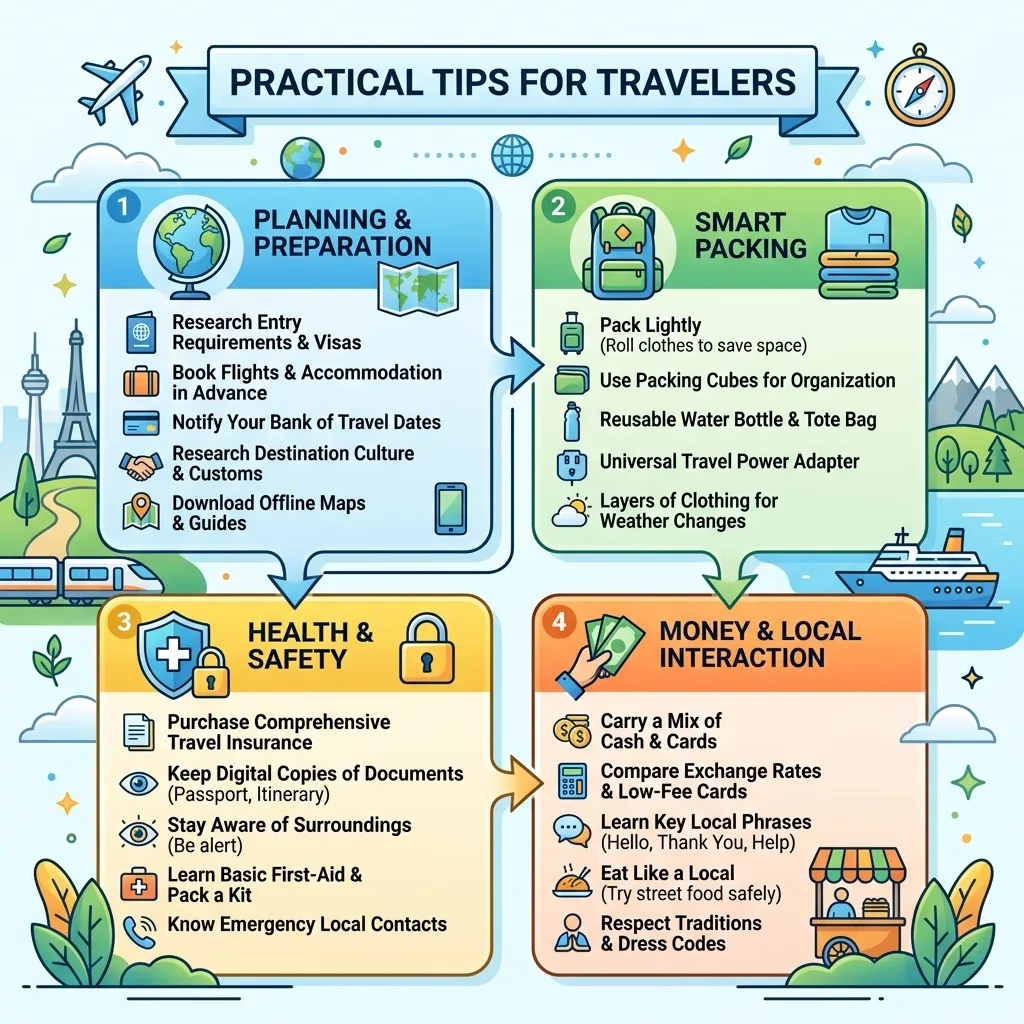
What practical tips should travelers know?
How should you budget for New Zealand?
New Zealand isn’t a cheap destination, but smart choices help. Cook some meals, mix paid tours with free hikes, and book activities in advance for early-bird rates. Daily costs vary widely depending on whether you camp or stay in hotels.
What should you pack?
Weather changes fast, so pack layers, a waterproof jacket, sturdy walking shoes, and strong sunscreen—the UV here is intense. Add a reusable water bottle and a power adapter for the local plug type.
How do you stay safe and healthy?
New Zealand is very safe, with no dangerous snakes or large predators. The main risks come from nature: unpredictable weather, strong sun, and cold water. Check forecasts before hikes and tell someone your plans.
How can you respect the environment?
Honor the Tiaki Promise, a commitment to care for the land, sea, and culture while you travel. Stick to marked trails, take your rubbish with you, and treat local communities with respect.
Start planning your New Zealand adventure
From the geothermal magic of Rotorua to the towering cliffs of Milford Sound, New Zealand rewards every type of traveler. Its compact size means you can experience mountains, beaches, cities, and culture without endless travel days—as long as you plan well.
Use this New Zealand travel guide to map your route, lock in the activities that excite you most, and book transport and accommodation early. Compare airfares with tools like Google Flights Atlanta, secure your NZeTA, and pack for all four seasons. Then get ready for one of the most beautiful journeys of your life.
Frequently Asked Questions
How long should I plan for a New Zealand trip?
According to any comprehensive New Zealand travel guide, two to three weeks is the ideal amount of time to explore both the North and South Islands without feeling rushed. A well-planned New Zealand travel guide itinerary allows you to experience major attractions, scenic drives, cultural sites, and outdoor adventures. If you only have one week, most New Zealand travel guide experts recommend focusing on a single island.
What is the best way to travel between islands?
A detailed New Zealand travel guide will usually recommend either domestic flights or ferry services. Flights between Auckland, Wellington, Christchurch, and Queenstown are fast and convenient. For travelers seeking scenic views, the Interislander and Bluebridge ferries provide one of the most memorable experiences highlighted in many New Zealand travel guide resources.
Do I need a visa to visit New Zealand?
Most New Zealand travel guide publications advise visitors to check visa requirements before booking flights. Travelers from visa-waiver countries generally need an NZeTA and must pay the International Visitor Conservation and Tourism Levy. A trusted New Zealand travel guide can help you understand the latest entry requirements.
Is New Zealand an expensive country to visit?
Many travelers reading a New Zealand travel guide ask this question. While New Zealand can be expensive compared to some destinations, careful planning can reduce costs. A budget-friendly New Zealand travel guide often recommends campervan travel, self-catering accommodations, and free hiking trails to save money.
What are the must-do activities in Queenstown?
No New Zealand travel guide would be complete without mentioning Queenstown. Popular activities include bungee jumping, jet boating, skiing, gondola rides, and day trips to Milford Sound. Every major New Zealand travel guide ranks Queenstown among the country’s top adventure destinations.
Can I drive in New Zealand with my home country’s license?
Yes. Most New Zealand travel guide resources explain that visitors can drive for up to 12 months using a valid overseas license or international driving permit. A good New Zealand travel guide will also remind you that New Zealand drives on the left side of the road.
What unique food should I try in New Zealand?
A food-focused New Zealand travel guide typically recommends trying Māori hāngī, New Zealand lamb, green-lipped mussels, fresh seafood, meat pies, and pavlova. Exploring local cuisine is an important part of any authentic New Zealand travel guide experience.
How can I see the Hobbiton movie set?
Most New Zealand travel guide articles list Hobbiton as one of the country’s most iconic attractions. Located near Matamata, Hobbiton is about two hours from Auckland. A reliable New Zealand travel guide recommends booking tickets in advance since tours frequently sell out.
What is the Tiaki Promise?
The Tiaki Promise is frequently highlighted in every responsible New Zealand travel guide. It encourages visitors to respect nature, protect local communities, and travel responsibly. Following the Tiaki Promise is an important recommendation in any modern New Zealand travel guide.
Is it safe to travel alone in New Zealand?
Yes. Most New Zealand travel guide rankings place New Zealand among the safest countries in the world. Solo travelers, backpackers, and hikers often choose New Zealand because of its safety, friendly communities, and excellent tourism infrastructure. A trusted New Zealand travel guide still recommends following basic safety precautions.
How do I find cheap flights to New Zealand from the United States?
A practical New Zealand travel guide recommends using flight comparison platforms, setting fare alerts, and booking tickets several months in advance. Many New Zealand travel guide experts suggest comparing routes through major hubs such as Los Angeles and San Francisco to find better deals.
What are the options for exploring Milford Sound?
Milford Sound is a highlight in nearly every New Zealand travel guide. Visitors can explore the area through scenic cruises, guided kayak tours, hiking adventures, or breathtaking scenic flights. Most New Zealand travel guide recommendations favor cruises because they offer the easiest and most accessible way to experience the fjord’s beauty.


Sustainable Travel Advisor with over 10 years of experience designing eco-friendly itineraries and leading community-based tours worldwide. Holds a degree in Environmental Science and training in conservation. Writes about low-impact travel, protecting biodiversity, and creating authentic cultural experiences.








No Comments