


Responsible Shopping While Traveling means choosing souvenirs and goods that support local artisans, protect the environment, and respect cultural heritage. You do this by buying handmade local products, asking vendors about sourcing, avoiding wildlife-based items, and supporting Fair Trade certified businesses.
Every purchase you make abroad sends a signal. It can help a craftsperson feed their family, or it can fund a factory that exploits workers. It can preserve a centuries-old tradition, or it can fuel the trade in endangered species. The choice often comes down to what you pull off the shelf.
This guide walks you through Responsible Shopping While Traveling from start to finish. You’ll learn how to prepare before your trip, what to look for on the ground, and how to spot red flags like child labor or fake “handmade” goods. We’ll also explore a real-world case study in Istanbul and show how technology can point you toward ethical operators.
By the end, you’ll have the tools to turn shopping—often the most overlooked part of travel—into a force for good. Let’s get into it.
What Is Responsible Shopping While Traveling?
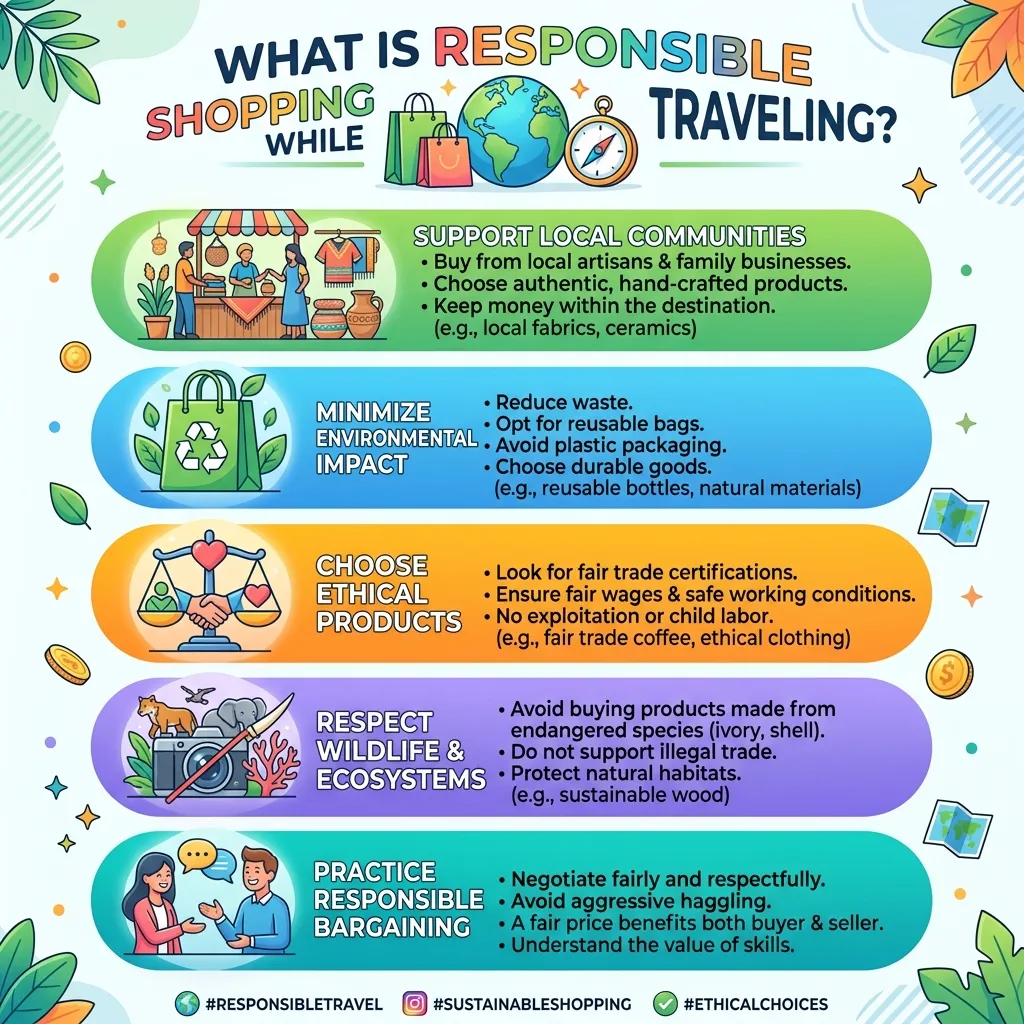
Responsible Shopping While Traveling is the practice of making purchasing decisions abroad that benefit local communities, minimize environmental harm, and honor cultural traditions. It’s a core part of responsible tourism, which the Global Sustainable Tourism Council defines as travel that creates better places for people to live in and better places to visit.
Defining Responsible Tourism and Shopping
Responsible tourism asks travelers to take ownership of their impact. Shopping is a big slice of that impact. When you buy a hand-woven rug from the person who made it, your money stays in the local economy. When you buy a plastic keychain stamped “Made in a faraway factory,” most of that value leaks out of the community you came to experience.
Why Your Purchases Matter: Economic, Social, and Environmental Impact
Your spending carries weight in three ways:
- Economic: Buying directly from artisans and small businesses keeps more money circulating locally. Studies of local spending show that money spent at independent businesses recirculates within a community at a far higher rate than money spent at chains.
- Social: Ethical purchases can sustain traditional crafts, fund fair wages, and discourage exploitative labor practices.
- Environmental: Choosing sustainable materials and skipping mass-produced plastic souvenirs reduces waste and pressure on natural resources.
How Do I Prepare for Ethical Shopping Before I Travel?
Good decisions start before you leave home. A little research turns a confusing market into a place full of meaningful choices.
Researching Destinations: Understanding Local Economies and Artisan Crafts
Before your trip, learn what each destination is known for. Morocco has leather and ceramics. Turkey has textiles and spices. Peru has alpaca wool and silver. Knowing the signature crafts helps you recognize authentic, locally made goods—and spot imported imitations.
Read up on the local economy too. Understanding which communities depend on tourism dollars helps you direct your spending where it counts most.
Identifying Reputable Organizations and Certifications
Look for trusted labels before you go. A reliable Fair Trade Tourism Guide can point you toward certified vendors and cooperatives. Certifications such as Fairtrade International, the World Fair Trade Organization (WFTO), and Fair Trade Tourism (a South Africa–based certifier) signal that workers are paid fairly and conditions are safe. Bookmark these resources so you can verify claims on the ground.
What Are the Best On-the-Ground Strategies for Responsible Shopping?
Once you arrive, a handful of habits will steer your money toward people and practices worth supporting.
Prioritizing Local and Handmade Goods
The single most effective move is to favor local, handmade products over mass-produced items.
Supporting Local Artisans and Small Businesses
Seek out workshops, cooperatives, and family-run stalls. Buying directly from the maker cuts out middlemen and puts more money in the artisan’s pocket. It also gives you a story to bring home with the object.
Avoiding Mass-Produced Souvenirs
That rack of identical magnets at the airport? Skip it. Mass-produced souvenirs are often made overseas in poor conditions and add little to the place you’re visiting. Ethical Souvenirs—items crafted by local hands from local materials—are almost always the better buy.
Understanding the Story Behind Your Purchase
A responsible purchase comes with context. Take time to learn it.
Engaging with Vendors and Artisans
Strike up a conversation. Ask who made the item and how. Most artisans are proud to explain their craft, and the exchange enriches both of you.
Inquiring About Sourcing and Production Practices
Don’t be shy about asking where materials come from and who did the work. Vendors who source ethically are usually happy to share details. Vague or evasive answers are a warning sign.
Ethical Considerations for Specific Product Categories
Some categories deserve extra attention.
Textiles and Clothing: Fair Labor and Sustainable Materials
Ask about labor conditions and materials. Natural fibers like organic cotton, wool, and linen are more sustainable than synthetic blends. Hand-woven textiles support traditional skills that machines can’t replicate.
Food and Drink: Supporting Local Agriculture and Cuisine
Local honey, spices, olive oil, and tea make excellent, low-impact gifts. Buying from farmers’ markets and small producers supports local agriculture and reduces the carbon cost of shipping. Check import rules before you pack food in your luggage.
Wildlife and Nature-Based Products: Avoiding Harmful Practices
Steer clear of products made from animals or plants—ivory, coral, tortoiseshell, certain hardwoods, and exotic skins. Many are illegal to trade under CITES (the Convention on International Trade in Endangered Species) and buying them fuels poaching and habitat loss.
How Do I Navigate Cultural Nuances and Avoid Exploitation?

Responsible shopping isn’t only about what you buy. It’s also about how you behave.
Bargaining Ethically: Respecting Local Customs and Livelihoods
In many markets, haggling is expected and part of the fun. But bargaining ethically means recognizing that the few dollars you save may matter far more to the seller than to you. Negotiate with respect, settle on a fair price, and avoid driving someone below a livable margin just to win.
Being Mindful of Child Labor and Human Trafficking Risks
If you see children working during school hours or producing goods in harsh conditions, don’t reward it with a purchase. Buying from such sources—even with good intentions—keeps the cycle going. Choose certified cooperatives and established workshops instead.
Responsible Souvenir Selection: Protecting Endangered Species and Cultural Heritage
Some objects belong to a country’s heritage and shouldn’t leave it. Antiquities, religious artifacts, and archaeological items are often protected by law. When in doubt, don’t buy. Ethical Souvenirs honor culture rather than strip it away.
How Can I Contribute to Sustainable Tourism Beyond the Purchase?
The impact of your spending extends past the moment of sale.
Supporting Businesses Committed to Ethical Practices
Choose shops, tour operators, and cooperatives that publish their values and follow through on them. Your patronage rewards good behavior and encourages others to follow.
Reducing Your Environmental Footprint as a Consumer
Bring a reusable bag. Skip excess packaging. Buy fewer, better things instead of piles of disposable trinkets. Quality items last longer and mean more.
Educating Others About Responsible Shopping
Share what you learn. A quick review, a social post, or a recommendation to friends can steer other travelers toward ethical vendors and away from harmful ones.
Case Study: Responsible Shopping in Istanbul
Istanbul is a shopper’s paradise, and it’s an ideal place to put these principles into practice. Use this section as a mini Istanbul Travel Guide for ethical buyers.
Exploring the Grand Bazaar and Spice Market Ethically
The Grand Bazaar and the Spice Market dazzle with carpets, ceramics, lamps, and spices. Slow down. Talk to sellers, ask where carpets are knotted, and look for shops affiliated with weaving cooperatives. For spices, buy in small quantities from busy stalls with high turnover, which usually means fresher goods.
Discovering Hidden Gems: Local Workshops and Boutiques
Step away from the tourist core. Neighborhoods like Balat and Çukurcuma hide independent workshops, ceramic studios, and boutiques where makers sell their own work. Prices may be fixed rather than negotiable, and the goods are often more authentic.
The Impact of Your Choices on Istanbul’s Community
Every lira you spend with a local artisan helps sustain crafts that stretch back generations. A good Istanbul Travel Guide will steer you toward makers rather than resellers, so your money supports the city’s living culture.
How Can Technology Help Me Travel and Shop Responsibly?
Your phone is a powerful tool for ethical travel.
Using Ticket Booking Platforms for Ethical Operators
A trustworthy Ticket Booking Platform Guide can help you compare tours and experiences run by operators who treat workers fairly and protect the environment. Look for platforms that highlight sustainability credentials and let travelers leave honest reviews.
Apps and Resources for Identifying Sustainable Businesses
Apps and directories from organizations like the World Fair Trade Organization, plus review sites that flag eco-friendly and community-owned businesses, make it easier to vet a shop before you spend. A quick search can confirm whether a vendor is the real deal.
Making Every Purchase a Positive Impact
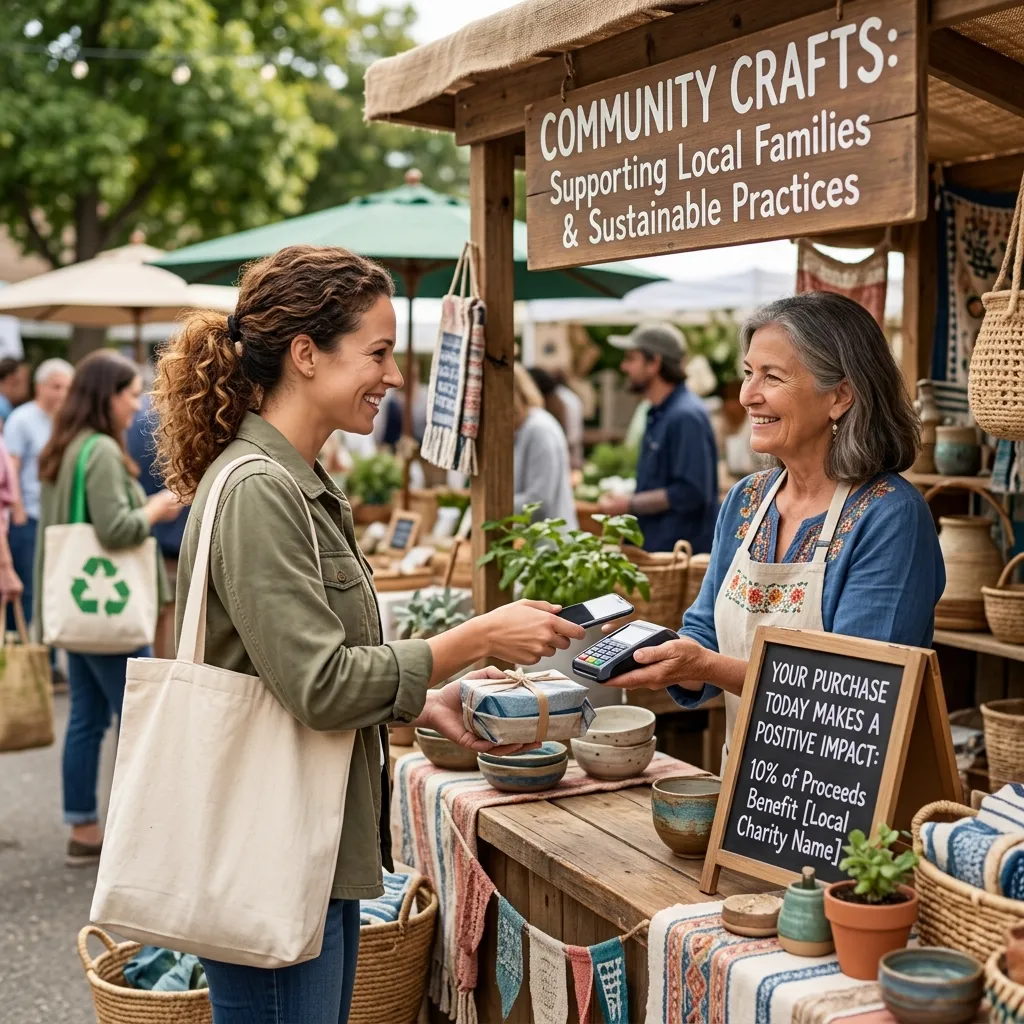
Responsible Shopping While Traveling doesn’t require sacrifice—it requires attention. When you research before you go, buy from local hands, ask honest questions, and avoid harmful products, you turn ordinary souvenirs into stories of support and respect.
Start small on your next trip. Pick one market, talk to one artisan, and buy one thing you understand the story behind. Multiply that choice across millions of travelers and the effect is enormous: stronger local economies, preserved traditions, and a lighter footprint on the places we love. Make your money count—wherever your travels take you.
Frequently Asked Questions
What is Responsible Shopping While Traveling?
Responsible Shopping While Traveling is the practice of buying goods abroad in a way that supports local communities, protects the environment, and respects cultural heritage. Practicing Responsible Shopping While Traveling means choosing handmade local products and ethical vendors instead of mass-produced souvenirs.
How can I ensure my souvenirs are ethically sourced in Responsible Shopping While Traveling?
In Responsible Shopping While Traveling, you can ensure ethical sourcing by buying directly from artisans, cooperatives, or verified Fair Trade sellers. Asking questions about production and materials is a key part of Responsible Shopping While Traveling and helps you avoid exploitative supply chains.
What does a Fair Trade Tourism Guide mean for Responsible Shopping While Traveling?
A Fair Trade Tourism Guide supports Responsible Shopping While Traveling by listing certified vendors, ethical shops, and responsible tour operators. Using such guides ensures your Responsible Shopping While Traveling choices contribute to fair wages and safe working conditions.
Is it always better to buy local in Responsible Shopping While Traveling?
In Responsible Shopping While Traveling, buying local is usually better because it supports small businesses and keeps money within the community. However, true Responsible Shopping While Traveling also means avoiding products that harm wildlife or the environment, even if they are locally made.
How can I avoid supporting child labor through Responsible Shopping While Traveling?
A core principle of Responsible Shopping While Traveling is avoiding unethical labor practices. You should only buy from trusted workshops and certified cooperatives. Practicing Responsible Shopping While Traveling responsibly means rejecting unusually cheap goods that may involve unsafe or unfair labor.
What role do Ethical Souvenirs play in Responsible Shopping While Traveling?
Ethical souvenirs are central to Responsible Shopping While Traveling because they are handmade, locally sourced, and environmentally friendly. Choosing ethical souvenirs ensures that Responsible Shopping While Traveling preserves culture and supports artisans directly.
How can an Istanbul Travel Guide help with Responsible Shopping While Traveling?
An Istanbul Travel Guide enhances Responsible Shopping While Traveling by directing travelers toward local artisans, cooperatives, and authentic workshops instead of mass-market sellers. In cities like Istanbul, Responsible Shopping While Traveling helps you navigate places like the Grand Bazaar more ethically.
Can a Ticket Booking Platform Guide assist in Responsible Shopping While Traveling?
Yes. A Ticket Booking Platform Guide supports Responsible Shopping While Traveling by highlighting ethical tours, sustainable experiences, and responsible operators. This makes Responsible Shopping While Traveling easier by integrating sustainability into travel planning.
What should I do if I suspect unethical practices during Responsible Shopping While Traveling?
In Responsible Shopping While Traveling, you should avoid purchasing from suspicious vendors and report concerns when possible. Responsible actions during Responsible Shopping While Traveling help protect both travelers and local communities.
How can I verify handmade products in Responsible Shopping While Traveling?
To ensure authenticity in Responsible Shopping While Traveling, check for small handmade imperfections, ask about the production process, and observe whether artisans are directly involved. These steps are essential for effective Responsible Shopping While Traveling.
Are there certifications that support Responsible Shopping While Traveling?
Yes. Certifications like Fairtrade International, WFTO, and Fair Trade Tourism support Responsible Shopping While Traveling by identifying ethical producers. Using these certifications strengthens your Responsible Shopping While Traveling decisions.
How does Responsible Shopping While Traveling impact the local economy?
Responsible Shopping While Traveling positively impacts local economies by keeping money within communities, supporting jobs, and preserving traditional crafts. When travelers practice Responsible Shopping While Traveling, they help reduce dependency on mass-market imports and strengthen local livelihoods.


Sustainable Travel Advisor with over 10 years of experience designing eco-friendly itineraries and leading community-based tours worldwide. Holds a degree in Environmental Science and training in conservation. Writes about low-impact travel, protecting biodiversity, and creating authentic cultural experiences.









No Comments