


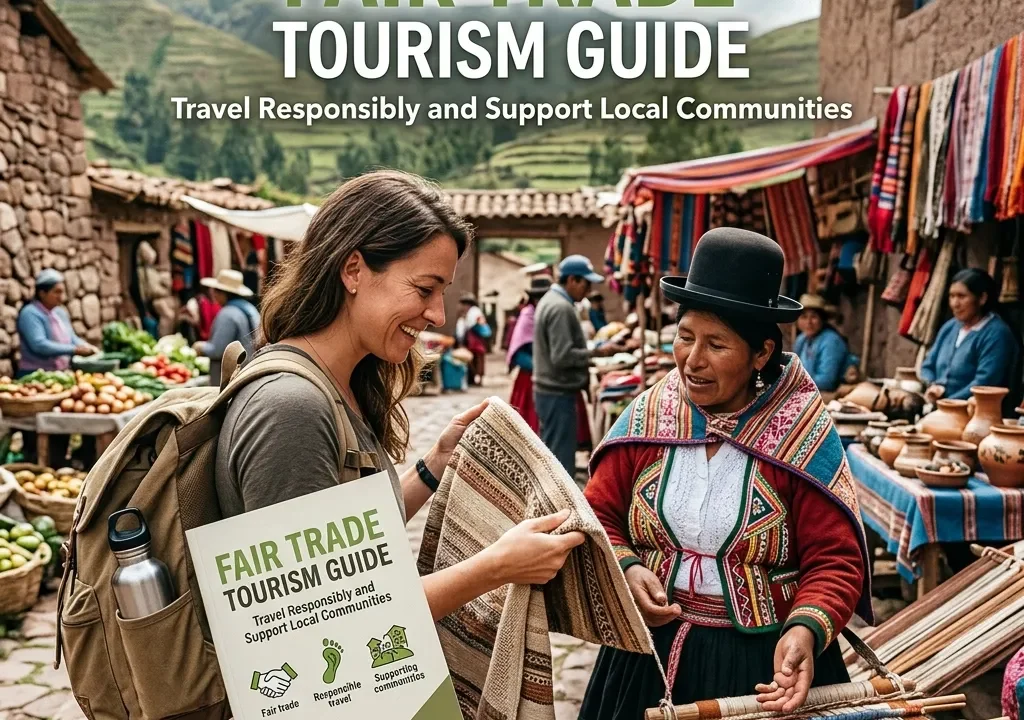
Fair Trade Tourism Guide helps travelers make responsible choices that support local communities, protect cultural heritage, encourage ethical business practices, and create meaningful travel experiences worldwide.
Travel is more than visiting destinations and taking photographs. Every choice a traveler makes influences local communities, cultures, economies, and environments. A Fair Trade Tourism Guide helps travelers understand how their spending decisions impact the places they visit. Instead of focusing only on convenience and cost, responsible travelers consider fairness, sustainability, and community well-being.
In recent years, travelers have become more conscious of the social and environmental effects of tourism. Many people want their journeys to benefit local residents rather than large corporations alone. A Fair Trade Tourism Guide provides a framework for making ethical decisions while still enjoying memorable travel experiences.
The concept of fair trade tourism is built on respect. Respect for local cultures, workers, traditions, natural resources, and future generations. When travelers embrace the principles outlined in a Fair Trade Tourism Guide, they become contributors to positive change rather than passive visitors.
What Is Fair Trade Tourism?

Fair trade tourism is a model that encourages responsible travel practices that benefit local communities economically, socially, and environmentally. A Fair Trade Tourism Guide promotes tourism businesses that operate ethically, pay fair wages, support local suppliers, preserve cultural heritage, and minimize environmental harm.
Traditional tourism often directs profits toward large international corporations. In contrast, fair trade tourism seeks to ensure that local communities receive a fair share of tourism revenue. This creates more balanced economic development and encourages sustainable growth.
A Fair Trade Tourism Guide emphasizes transparency, accountability, and mutual respect between travelers and host communities. The goal is to create positive experiences for both visitors and residents while preserving the destination’s authenticity.
Why Fair Trade Tourism Matters
The global tourism industry generates billions of dollars annually. However, many destinations struggle to see significant benefits from tourism revenue. A Fair Trade Tourism Guide highlights how responsible spending can support local businesses, artisans, guides, and family-owned accommodations.
Tourism can create employment opportunities, improve infrastructure, and stimulate economic growth. Yet without proper management, it can also contribute to exploitation, cultural erosion, and environmental damage. A Fair Trade Tourism Guide helps travelers avoid contributing to these negative outcomes.
Many travelers seek meaningful experiences rather than simply checking destinations off a list. Fair trade tourism provides opportunities for deeper cultural engagement and authentic connections. By following a Fair Trade Tourism Guide, travelers often discover experiences that are more rewarding and memorable than conventional tourism activities.
Core Principles of Fair Trade Tourism
Fair Wages and Working Conditions
A major component of a Fair Trade Tourism Guide is supporting businesses that provide fair compensation and safe working conditions for employees. Tourism workers should receive equitable treatment and opportunities for professional development.
Fair wages help improve living standards and create stronger local economies. When workers are treated fairly, service quality often improves as well, creating a positive cycle that benefits everyone involved.
Supporting Local Communities
A Fair Trade Tourism Guide encourages travelers to choose locally owned accommodations, restaurants, transportation services, and tour operators whenever possible. This ensures that more tourism revenue remains within the community.
Local businesses are often more connected to cultural traditions and regional identity. Supporting them helps preserve unique aspects of a destination that might otherwise disappear under mass tourism pressure.
Environmental Sustainability
Protecting natural resources is another essential aspect of a Fair Trade Tourism Guide. Sustainable tourism practices help preserve ecosystems, wildlife habitats, and natural attractions for future generations.
Responsible businesses often implement measures such as reducing waste, conserving water, using renewable energy, and promoting environmentally friendly transportation options.
Cultural Preservation
A Fair Trade Tourism Guide emphasizes respect for local customs, traditions, languages, and cultural heritage. Travelers should seek experiences that celebrate culture rather than commodify or exploit it.
Cultural preservation strengthens community identity and ensures that future generations can maintain meaningful connections with their heritage.
The Psychology Behind Responsible Travel
Travel decisions are often driven by emotions. People travel to relax, explore, connect, and grow. A Fair Trade Tourism Guide recognizes that responsible travel can satisfy deeper psychological needs beyond entertainment.
Many travelers experience greater fulfillment when they know their spending supports positive outcomes. Ethical choices create a sense of purpose and alignment with personal values. This emotional satisfaction often enhances the overall travel experience.
Travelers increasingly seek authenticity. A Fair Trade Tourism Guide helps them find genuine cultural interactions rather than staged tourist attractions. Authentic experiences often create stronger memories and deeper emotional connections.
How to Identify Fair Trade Tourism Businesses
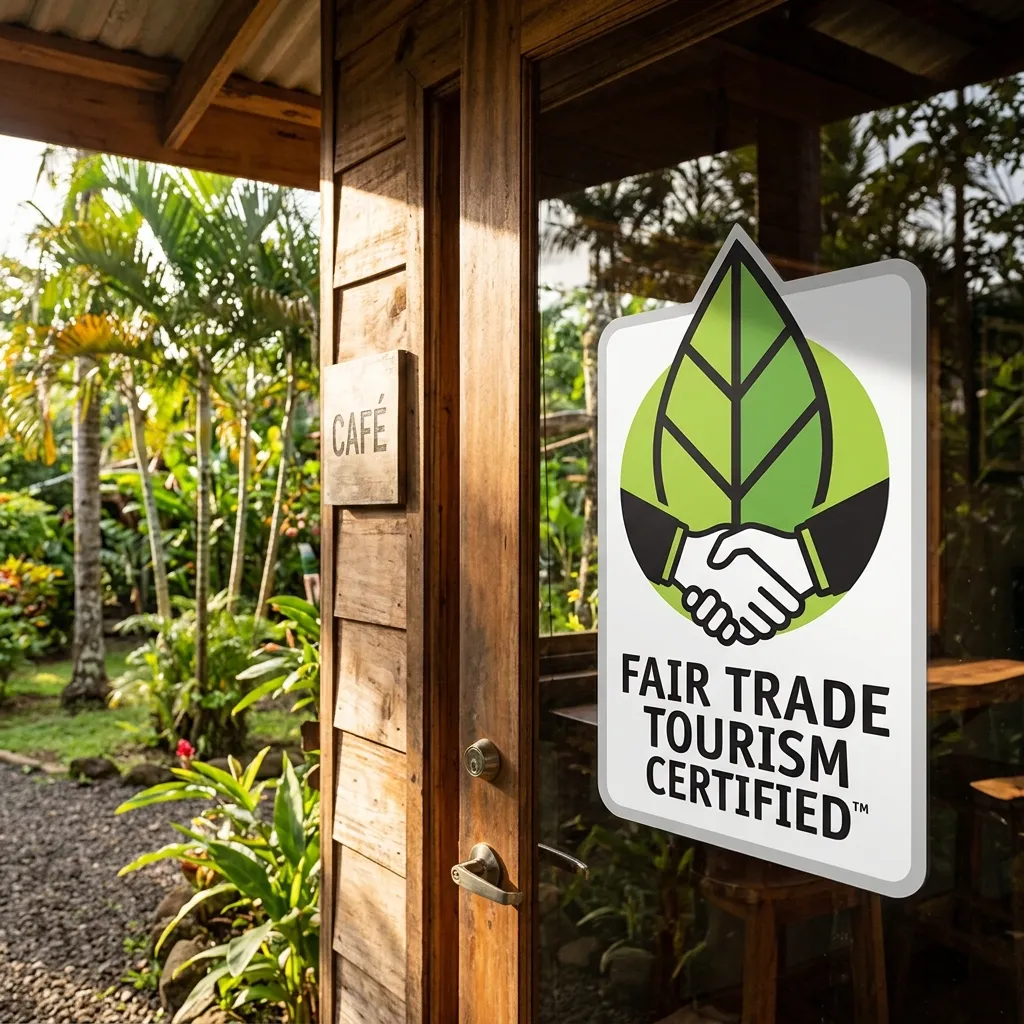
Finding ethical tourism providers requires research. A Fair Trade Tourism Guide recommends looking for businesses that demonstrate transparency regarding wages, sourcing practices, environmental policies, and community involvement.
Questions to Ask
Before booking, travelers can ask:
- Is the business locally owned?
- Are employees paid fairly?
- Does the company support community projects?
- What environmental practices are in place?
- How does the business contribute to cultural preservation?
These questions help determine whether a company aligns with the principles of a Fair Trade Tourism Guide.
Certifications and Standards
Many destinations have certification programs that recognize responsible tourism businesses. While standards vary, certifications can provide useful indicators when evaluating options.
A Fair Trade Tourism Guide encourages travelers to verify claims rather than relying solely on marketing messages. Genuine commitment to responsible tourism is usually supported by clear evidence and consistent practices.
Ethical Accommodation Choices
Accommodation often represents one of the largest travel expenses. Therefore, lodging decisions play a significant role in fair trade tourism.
A Fair Trade Tourism Guide recommends considering locally owned guesthouses, eco-lodges, boutique hotels, and community-based accommodations. These options frequently provide more direct economic benefits to local residents.
Many responsible accommodations invest in local employment, environmental conservation, and cultural preservation initiatives. By staying at such properties, travelers contribute to broader community development goals.
Comparing Accommodation Options
| Accommodation Type | Local Impact | Sustainability Potential |
|---|---|---|
| Local Guesthouse | High | High |
| Community Lodge | Very High | High |
| Boutique Hotel | Moderate to High | Moderate |
| International Chain | Low to Moderate | Varies |
A Fair Trade Tourism Guide suggests evaluating accommodations based on both economic and environmental contributions.
Responsible Shopping While Traveling
Shopping is often a major part of travel. However, purchasing decisions can significantly influence local economies. A Fair Trade Tourism Guide encourages travelers to support artisans, craftspeople, and independent businesses.
One excellent approach is purchasing Ethical Souvenirs that reflect local culture and craftsmanship. Ethical souvenirs are often handmade, locally produced, and sold under fair conditions.
Mass-produced souvenirs may generate less economic benefit for local communities. By choosing Ethical Souvenirs, travelers help preserve traditional skills and support local livelihoods.
Fair Trade Tourism in Popular Destinations
Many major tourism destinations are embracing responsible tourism initiatives. A Fair Trade Tourism Guide can be applied whether traveling to a remote village or a world-famous city.
For example, travelers using an Istanbul Travel Guide can support local artisans in historic markets, choose family-run accommodations, and participate in community-based cultural experiences.
Similarly, visitors exploring Asia through a Hong Kong Travel Guide can support local restaurants, independent businesses, and environmentally responsible attractions.
The principles of a Fair Trade Tourism Guide remain relevant regardless of destination size or popularity.
Food and Fair Trade Tourism
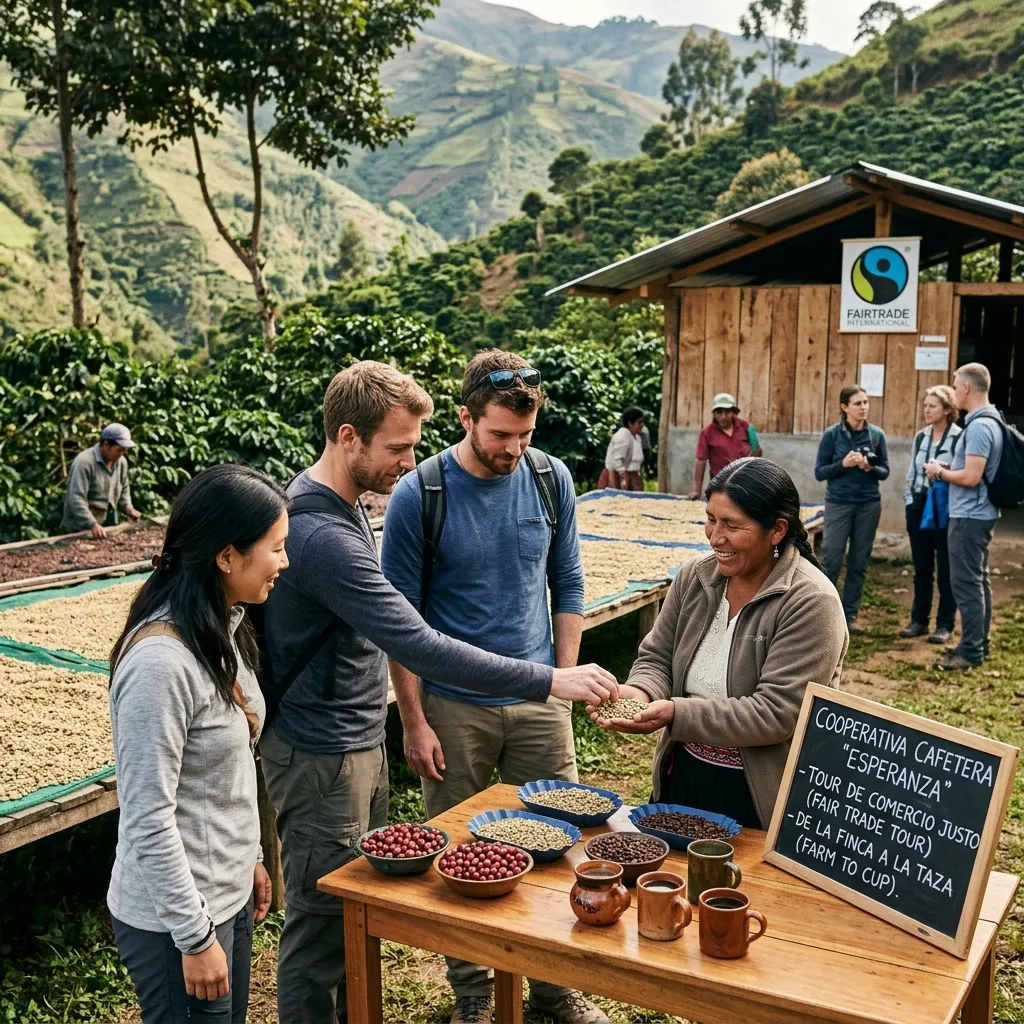
Food provides a powerful way to support local communities. A Fair Trade Tourism Guide recommends eating at locally owned restaurants whenever possible.
Local restaurants often source ingredients from nearby farmers and suppliers. This creates economic benefits throughout the community while offering travelers more authentic culinary experiences.
Food tourism can also promote cultural preservation. Traditional recipes and cooking techniques often represent important elements of cultural heritage. Supporting these businesses helps keep traditions alive.
Community-Based Tourism
Community-based tourism directly involves local residents in tourism planning and management. A Fair Trade Tourism Guide frequently highlights these experiences because they create meaningful economic opportunities.
Community tourism can include:
- Cultural workshops
- Traditional cooking classes
- Village tours
- Agricultural experiences
- Artisan demonstrations
These activities often provide travelers with unique insights while ensuring benefits remain within the community.
Environmental Responsibilities for Travelers
A Fair Trade Tourism Guide extends beyond spending decisions. Individual traveler behavior also matters.
Responsible travelers can:
- Reduce plastic consumption
- Respect wildlife
- Conserve water
- Use public transportation
- Follow local environmental regulations
Small actions collectively create significant positive impacts. Environmental responsibility strengthens the effectiveness of a Fair Trade Tourism Guide.
Common Challenges in Fair Trade Tourism
Despite its benefits, fair trade tourism faces several challenges.
Greenwashing
Some companies market themselves as sustainable without implementing meaningful practices. A Fair Trade Tourism Guide encourages critical evaluation of sustainability claims.
Cost Considerations
Ethical options may sometimes appear more expensive. However, travelers should consider the broader social and environmental value created by responsible choices.
Limited Awareness
Many travelers simply lack information about responsible tourism alternatives. Education remains an important component of expanding fair trade tourism adoption.
Benefits for Travelers
A Fair Trade Tourism Guide benefits not only communities but also travelers themselves.
Advantages include:
- More authentic experiences
- Deeper cultural understanding
- Greater personal fulfillment
- Meaningful community interactions
- Enhanced travel memories
Many travelers report that responsible travel experiences feel more rewarding because they create positive contributions beyond personal enjoyment.
Building a Responsible Travel Mindset
The most important lesson of a Fair Trade Tourism Guide is that responsible travel begins with awareness. Travelers should consider the consequences of their choices and seek opportunities to create positive outcomes.
Responsible tourism is not about perfection. It is about making better decisions whenever possible. Small improvements can collectively produce substantial benefits for destinations worldwide.
By approaching travel thoughtfully, individuals can help create a tourism industry that supports people, cultures, and environments rather than exploiting them.
Future Trends in Fair Trade Tourism
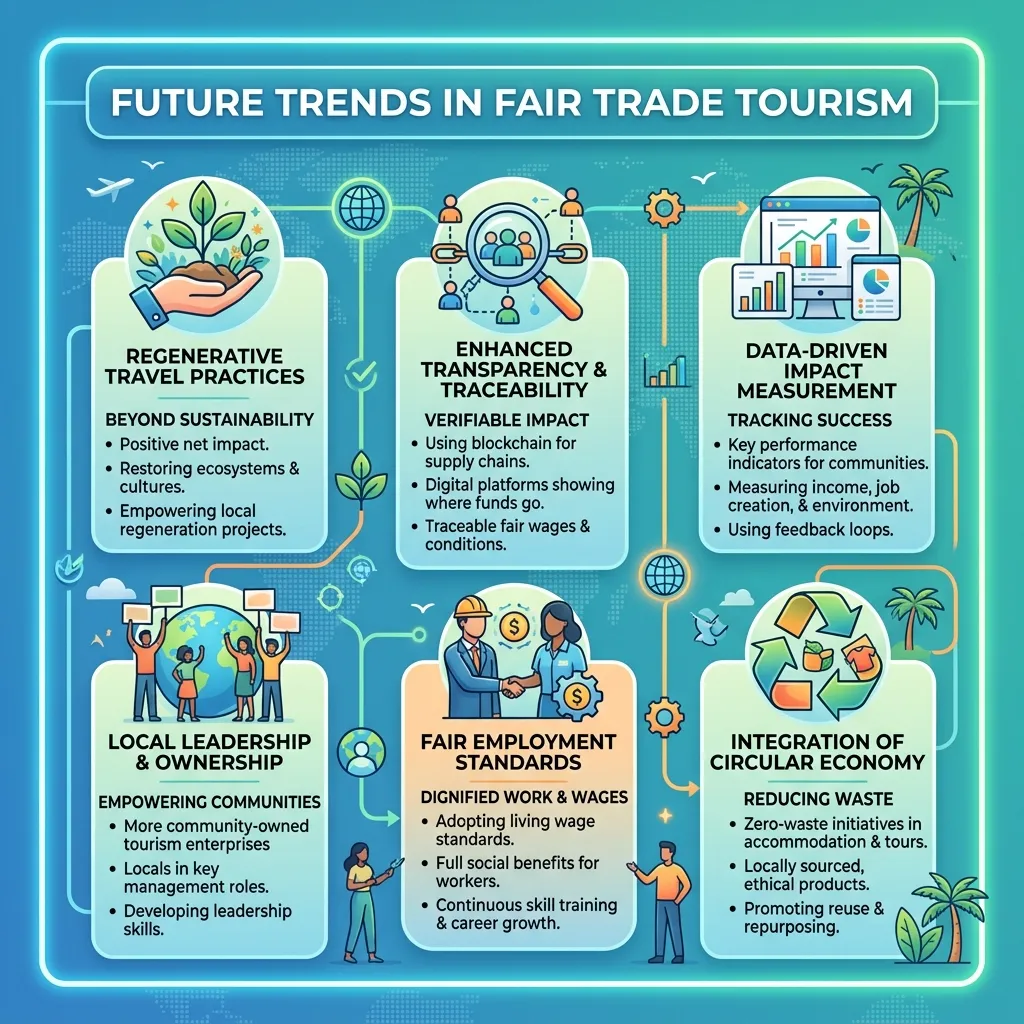
Consumer demand for ethical experiences continues to grow. As awareness increases, more tourism businesses are adopting responsible practices.
Technology also makes it easier to identify ethical providers, compare sustainability initiatives, and research community impacts. A Fair Trade Tourism Guide will likely become even more relevant as travelers seek transparency and accountability.
Future tourism success may increasingly depend on balancing economic growth with social responsibility and environmental stewardship. Fair trade principles offer a practical framework for achieving this balance.
Conclusion
A Fair Trade Tourism Guide empowers travelers to make choices that benefit both themselves and the destinations they visit. By supporting local communities, respecting cultural traditions, promoting fair employment, and protecting natural resources, responsible tourism creates lasting positive impacts. Ethical travel is not about sacrificing enjoyment; it is about enhancing experiences through greater awareness and purpose. Every accommodation booking, restaurant visit, tour selection, and souvenir purchase contributes to a larger tourism ecosystem. When travelers embrace fair trade principles, they help build a more sustainable, equitable, and meaningful future for global tourism while creating richer and more authentic memories along the way.
FAQ
1. What is a Fair Trade Tourism Guide?
It is a framework that helps travelers make ethical and sustainable travel decisions that benefit local communities and environments.
2. Why is fair trade tourism important?
It ensures tourism revenue supports local people, protects cultural heritage, and encourages sustainable development.
3. How can I identify ethical tourism businesses?
Look for transparency, local ownership, fair employment practices, environmental responsibility, and community involvement.
4. Are ethical travel options more expensive?
Sometimes they may cost slightly more, but they often provide greater social value and more authentic experiences.
5. What are Ethical Souvenirs?
They are locally made products that support artisans, preserve traditional skills, and contribute fairly to local economies.
6. Can fair trade tourism help environmental conservation?
Yes. Many responsible tourism businesses actively support conservation and sustainable resource management.
7. Does fair trade tourism apply to city travel?
Absolutely. Whether using an Istanbul Travel Guide or a Hong Kong Travel Guide, responsible tourism principles remain valuable.
8. What is community-based tourism?
It involves local residents directly managing and benefiting from tourism activities in their communities.
9. How can travelers support local economies?
By choosing local accommodations, restaurants, guides, transportation providers, and artisans.
10. What is the biggest benefit of fair trade tourism?
It creates positive impacts for destinations while providing travelers with richer, more meaningful experiences.


Sustainable Travel Advisor with over 10 years of experience designing eco-friendly itineraries and leading community-based tours worldwide. Holds a degree in Environmental Science and training in conservation. Writes about low-impact travel, protecting biodiversity, and creating authentic cultural experiences.








No Comments