


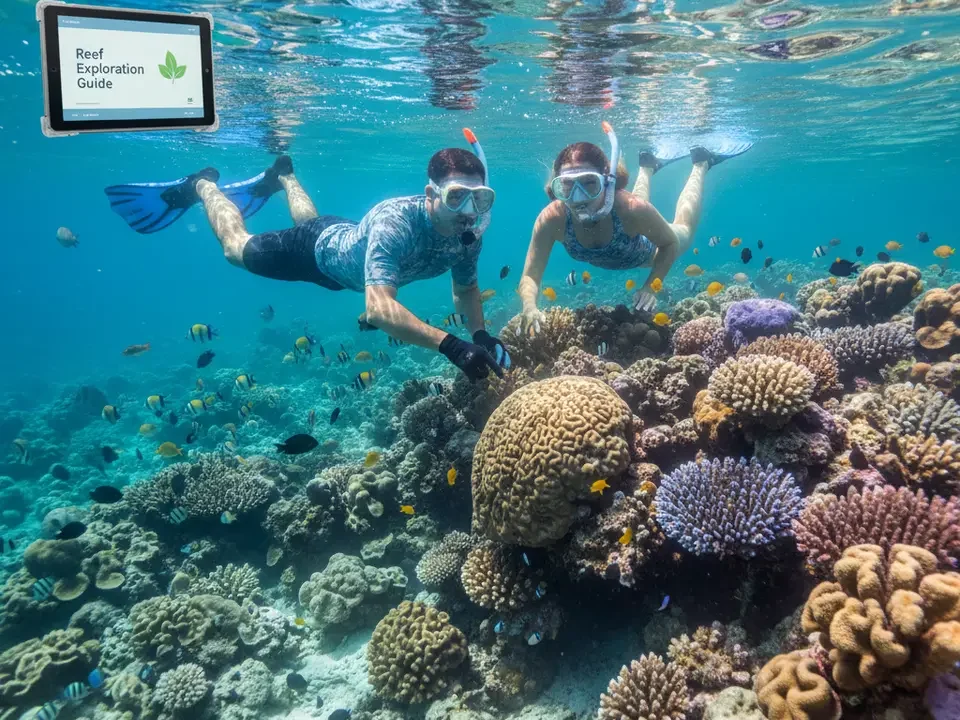
Today, the allure of exploring vibrant coral reefs beneath the waves is stronger than ever. With growing awareness of environmental challenges, travelers are seeking ways to enjoy underwater adventures without harming delicate marine ecosystems. Eco-Friendly Underwater Tourism has emerged as a guiding principle for divers and snorkelers who wish to connect with nature responsibly. In today’s digital landscape, resources on sustainable travel practices are widely available, empowering individuals to make informed choices about gear, operators, and destinations.
In this comprehensive guide, you’ll discover how to plan an eco-conscious reef expedition that minimizes environmental impact while maximizing personal enjoyment. From understanding reef biology and conservation priorities to selecting certified tour operators and mastering buoyancy techniques, each section offers practical advice supported by authoritative research. By weaving in insights from government sites like the National Oceanic and Atmospheric Administration (https://oceanservice.noaa.gov) and conservation initiatives led by organizations recognized by UNESCO (https://www.unesco.org), this article equips you with the knowledge needed to protect coral habitats today and in this year (2026).
Whether you’re a seasoned diver or preparing for your first tropical snorkeling excursion, the strategies outlined here will help you participate actively in reef preservation. Prepare to embark on a responsible underwater journey—one that honors the intricate balance of marine life and fosters long-term ecosystem health.
Understanding Coral Reef Ecosystems
Coral reefs occupy less than one percent of the ocean floor yet harbor roughly twenty-five percent of all marine species. These underwater cities, built by tiny coral polyps over centuries, create complex three-dimensional habitats that support fish, mollusks, crustaceans, and algae. Reef structures act as natural breakwaters, shielding coastlines from storm damage and erosion. In addition, healthy reefs contribute substantially to local economies through fisheries and tourism, offering sustenance and livelihoods to coastal communities.
At a biological level, coral polyps form symbiotic relationships with microscopic algae called zooxanthellae. These algae photosynthesize, providing nutrients that fuel coral growth and generate the vivid colors for which reefs are renowned. When water temperatures rise, corals may expel their algal partners in a stress response known as bleaching. Bleached corals appear pale and are more susceptible to disease, making recovery difficult without intervention.
Beyond temperature fluctuations, reef ecosystems face threats from ocean acidification, pollution, overfishing, and unregulated tourism activities. Acidification weakens calcium carbonate skeletons, while plastics and chemical runoff can smother or poison marine life. In 2026, experts from marine research institutions continue to monitor reef health, publishing findings that guide conservation strategies. By learning about these processes and pressures, visitors can approach eco-friendly underwater tourism as both recreation and stewardship.
As you prepare to dive into an eco-friendly reef expedition, remember that every fin stroke, device choice, and expenditure has potential ripple effects. This section provides the ecological foundation for responsible travel decisions that follow.
The Importance of Reef Conservation
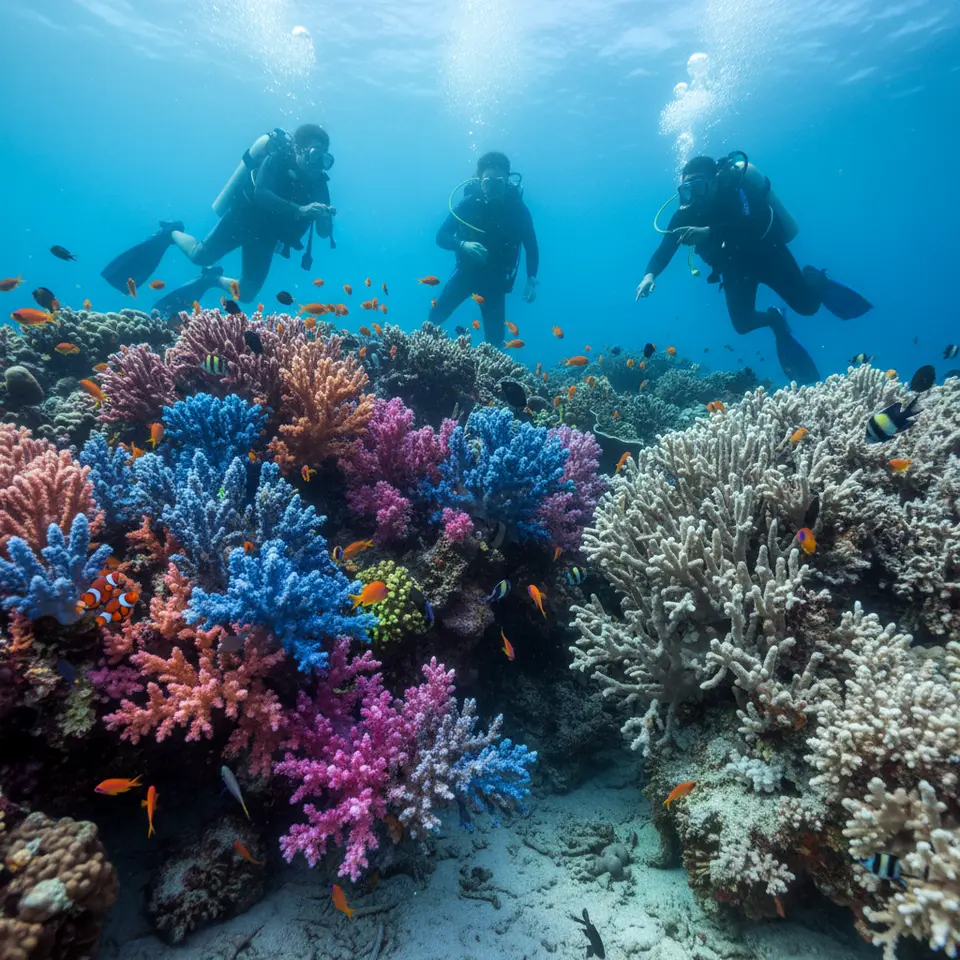
Coral reefs are not only breathtaking natural wonders but also critical nurseries for countless fish species at various life stages. When reefs decline, the cascading impact can lead to fish stock collapses, jeopardizing food security for millions of people globally. In addition, reef loss accelerates shoreline erosion and reduces the ocean’s capacity to absorb carbon dioxide, which further exacerbates climate change.
Tourism revenue can be a powerful driver of reef conservation when properly managed. In many regions, fees collected from divers and snorkelers fund marine protected areas (MPAs), scientific research, restoration projects, and enforcement of environmental regulations. By selecting reputable operators that channel a portion of their profits toward conservation, eco-conscious travelers can generate positive momentum for communities and ecosystems alike.
Participating in citizen science programs is another way to contribute. Many organizations invite volunteers to record reef health indicators such as coral cover, fish diversity, and water quality. Data gathered through platforms like Reef Life Survey help marine biologists assess ecosystem trends and develop targeted restoration plans. Supporting these initiatives—whether through financial donations, equipment loans, or hands-on involvement—amplifies the impact of sustainable tourism dollars.
Furthermore, reef conservation extends beyond direct ecological benefits. Community-based education campaigns foster local stewardship, creating a culture of protection that persists long after a single visit. Travelers who engage with these programs gain deeper cultural insights and build meaningful connections with coastal residents. Thus, eco-friendly underwater tourism aligns personal adventure with a broader mission to preserve marine biodiversity.
Planning a Sustainable Reef Adventure
Choosing Certified Eco-Friendly Operators
Selecting a tour provider that adheres to rigorous sustainability standards lays the groundwork for a responsible dive trip. Look for certifications from recognized bodies such as Green Fins, Project AWARE, or the Global Sustainable Tourism Council (GSTC). These organizations audit operators on waste management, environmental education, reef-safe anchoring, and local community engagement. Reading traveler reviews focused on environmental practices can reveal whether an operator genuinely prioritizes reef protection.
Picking Reef-Safe Gear
Your equipment choices also influence reef health. Opt for biodegradable, oxybenzone-free sunscreen to prevent chemical bleaching. Choose fins with enclosed heels and flexible blades to reduce accidental contact with coral. Carry reusable water bottles and prohibit single-use plastics aboard dive boats. Some operators even provide filtered water stations to discourage disposable bottles, reinforcing sustainable habits on every excursion.
Timing and Destination Selection
Researching local environmental calendars will help you avoid sensitive periods such as coral spawning or breeding seasons for marine life. Visiting during off-peak months not only lessens crowding—a common source of reef damage—but also often yields more personalized tours. Seek out MPAs and no-take zones where healthy reefs are under active management. These protected areas frequently offer the richest biodiversity and highest likelihood of witnessing rare species in their natural habitat.
By aligning your travel dates with ecological guidelines and choosing destinations with strong conservation frameworks, you position yourself as an ally in reef preservation from the very start.
Responsible Diving and Snorkeling Practices
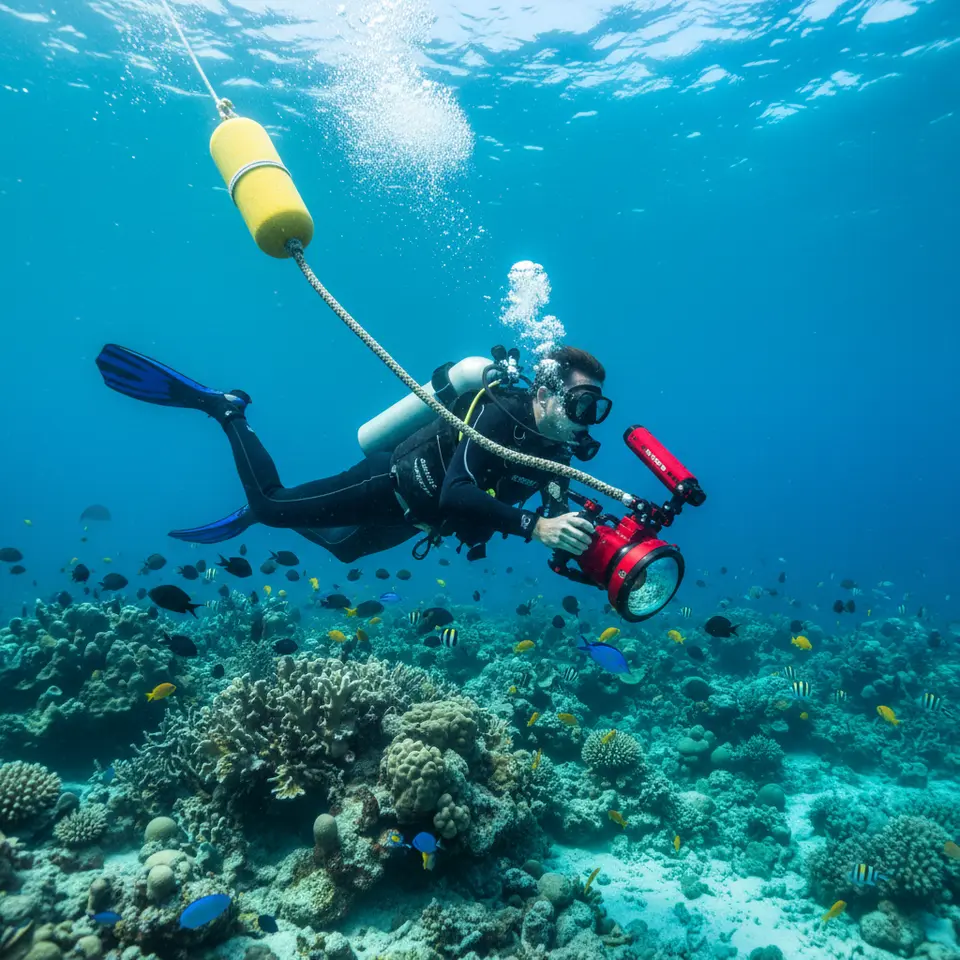
Once you’re on-site, maintaining proper underwater etiquette is essential. Neutral buoyancy is the cornerstone of eco-friendly diving. By mastering buoyancy control before approaching coral structures, you minimize collisions and sediment disturbances that can smother polyps. Practice hovering drills in open water, and ask instructors for guidance until you feel confident.
Adopting mindful finning techniques such as the frog kick or modified flutter kick helps keep you horizontal and reduces the risk of accidental contact. Keep a safe distance from marine animals—never chase, corner, or feed wildlife for photographs. Human touch introduces oils and microbes that stress marine organisms, so observe without interference. When taking photos, stabilize your camera above your centre of gravity and utilize wide-angle lenses to capture scenes without encroaching on delicate habitats.
In addition, always follow the no-touch, no-take, and no-feed rules enforced by most reputable dive operators. Anchoring on reefs is strictly prohibited; instead, look for designated mooring buoys. If you witness fellow divers or snorkelers behaving irresponsibly, consider reporting violations to dive guides or local authorities. By modeling respectful behavior, you encourage others to adopt the same eco-friendly approach.
Top Eco-Friendly Underwater Destinations
Choosing the right destination can amplify the positive outcomes of Eco-Friendly Underwater Tourism. Below are some standout sites where sustainability and conservation are deeply integrated into the visitor experience:
- Great Barrier Reef, Australia: Managed by the Great Barrier Reef Marine Park Authority, this UNESCO World Heritage site utilizes strict zoning, reef restoration programs, and citizen science opportunities to maintain resilience.
- Raja Ampat, Indonesia: Home to 75 percent of known coral species, Raja Ampat features community-run eco-resorts and collaborative reef monitoring projects.
- Bonaire, Caribbean Netherlands: A pioneer in marine conservation, Bonaire offers accessible shore dives, reef-friendly mooring buoys, and strong local environmental policies.
- Palau, Micronesia: As the world’s first shark sanctuary, Palau enforces strict tourism regulations that limit visitor numbers and fund marine protection efforts.
- Cozumel, Mexico: Part of the Mesoamerican Barrier Reef System, this region boasts multiple MPAs and dive shops certified for sustainable practices.
- Galápagos Islands, Ecuador: Guided dive groups and limited permits ensure minimal disturbance to endemic species in this UNESCO-managed archipelago.
- Maldives Eco-Resorts: Many resorts rely on solar-powered facilities, desalination powered by renewables, and active coral nursery programs to restore damaged reefs.
- Similan Islands, Thailand: Seasonal closures during breeding seasons allow marine life to regenerate, and local operators contribute data to national reef monitoring.
- Palawan, Philippines: Community-led marine sanctuaries combine mangrove restoration with reef protection, generating sustainable livelihoods and research opportunities.
- Red Sea, Egypt: MPAs around Sharm El Sheikh and Marsa Alam focus on reef regeneration, zero-waste dive boats, and eco-certification schemes.
When planning your trip to any of these destinations, verify that a portion of your fees supports conservation programs. Many locations offer volunteer coral planting or reef survey workshops, adding hands-on value to your eco-friendly excursion.
Frequently Asked Questions
What certifications should I look for in an eco-friendly dive operator?
Look for certifications from organizations like Green Fins, Project AWARE, or the Global Sustainable Tourism Council (GSTC). These ensure operators follow best practices in environmental education, waste management, and reef-safe anchoring.
How can I protect coral reefs while snorkeling?
Maintain neutral buoyancy to avoid making contact with corals, use reef-safe sunscreen, avoid touching or feeding marine life, and use fins that minimize accidental collisions with the reef.
Are there specific times of year best suited for eco-friendly reef visits?
Yes. Avoid sensitive periods such as coral spawning seasons and visit during off-peak months to reduce crowding. Check local environmental calendars for optimal travel dates that support reef health.
Conclusion
Eco-Friendly Underwater Tourism represents a shift in how travelers interact with the marine environment, transforming leisure into responsible stewardship. By arming yourself with knowledge about reef ecology, selecting certified operators, choosing reef-safe gear, and mastering sustainable diving techniques, you can enjoy awe-inspiring underwater vistas without compromising ecosystem health. Supporting local conservation projects and community-based initiatives further amplifies the positive impact of your visit.
As you plan your next reef adventure in this year (2026), remember that every decision—from sunscreen choice to dive etiquette—contributes to the long-term resilience of coral ecosystems. Dive in today with confidence, curiosity, and respect, knowing that your commitment to Eco-Friendly Underwater Tourism helps ensure vibrant reefs for generations of explorers to come.


A Sustainable Travel Advisor with over 10 years of experience in eco-friendly travel. Skilled in designing low-impact itineraries and leading community-based tours. Holds a degree in Environmental Science and training in conservation. Focused on protecting biodiversity and creating authentic cultural experiences.








No Comments