


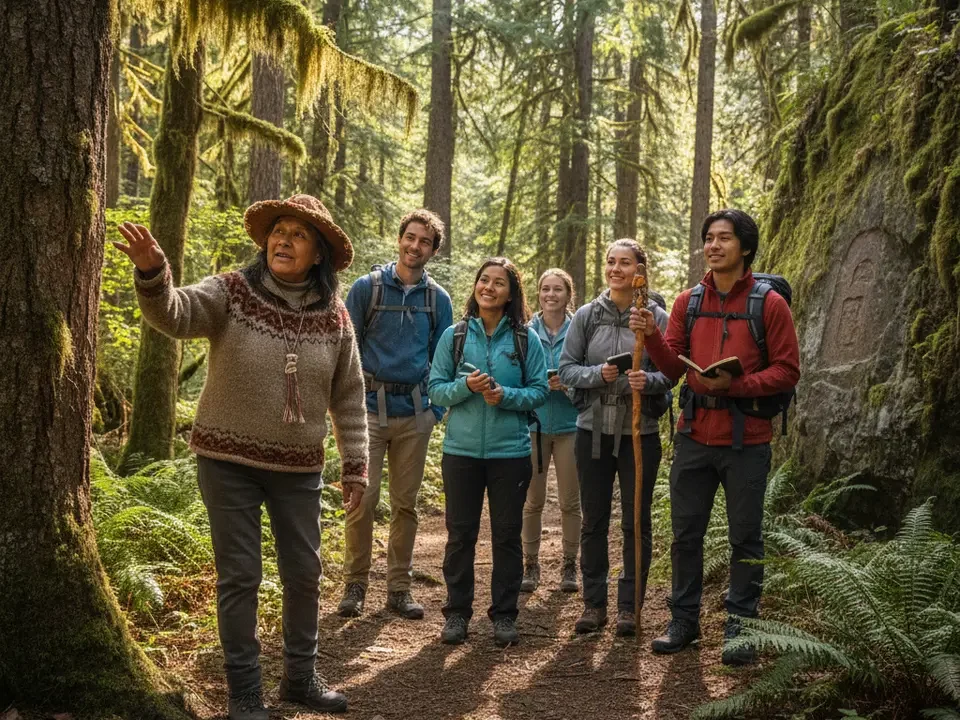
In today’s digital landscape, many travelers are searching for experiences that transcend traditional sightseeing. They want to forge genuine connections, learn ancestral wisdom, and support communities in sustainable ways. This year (2026), the rise of indigenous-led tours reflects a growing desire for authenticity and responsible exploration. These journeys are crafted and guided by Indigenous hosts who invite visitors to take part in living traditions, immerse themselves in heritage, and deepen their understanding of the land and its people.
Unlike conventional packages that may simply showcase landscapes or landmarks, indigenous-led tours place community empowerment and cultural preservation at the heart of every itinerary. By choosing an Indigenous-operated experience, travelers ensure that revenues flow back to local families, fund vital social programs, and honor protocols that have been passed down across generations. At the same time, visitors benefit from insider access to sacred sites, hands-on demonstrations of crafts, and heartfelt storytelling that reveal the values and resilience of these communities.
Whether you hope to master traditional weaving techniques, follow time-tested environmental practices, or join seasonal ceremonies under respectful guidance, this guide will equip you with the knowledge you need. From selecting a credible operator to packing with purpose and engaging respectfully, you will learn how to plan a transformative journey that supports community goals and leaves a positive legacy. Read on to discover how indigenous-led tours can elevate your travel experience, giving you profound insights while uplifting hosts and stewarding cultural heritage.
The Unparalleled Value of Indigenous-Led Tours
Indigenous-led tours offer a unique blend of cultural immersion and ethical engagement. When you travel with Indigenous guides, you step beyond passive observation into active participation. Instead of hearing secondhand accounts, you encounter living traditions shared by elders who serve as storytellers, educators, and cultural ambassadors. These hosts teach you through demonstration—whether that’s crafting ceremonial regalia, preparing traditional recipes, or illustrating cosmological myths that shape community values.
One of the greatest strengths of indigenous-led tours is their focus on reciprocity. Hosts and guests exchange knowledge and respect in equal measure. You gain insights into centuries of ancestral practices, while your presence contributes to community-led initiatives in education, health, or environmental stewardship. As a result, cultural heritage is reinforced and financial benefits remain anchored in local hands. This model stands in stark contrast to mass-market approaches, where external companies often capture most of the economic upside.
Moreover, these experiences foster cross-cultural understanding in an era when stereotypes can distort perceptions of Indigenous peoples. By witnessing daily life—from farming techniques that preserve soil health to creative arts that strengthen identity—you recognize both the ingenuity and challenges faced by these communities. In many regions, Indigenous peoples continue to advocate for land rights and cultural sovereignty. Your support of an indigenous-led tour becomes a form of solidarity, ensuring that travelers do not inadvertently undermine traditional territories or local governance structures.
Finally, these journeys spark personal transformation. Many participants describe a renewed sense of purpose, a deeper environmental ethic, and lifelong connections with their hosts. This intangible impact ripples outward, inspiring further advocacy for Indigenous rights and cultural preservation long after the trip has ended. If you aspire to make your travels meaningful, enriching, and respectful, indigenous-led tours represent an unparalleled opportunity.
Genuine Connections and Cultural Exchange


A Sustainable Travel Advisor with over 10 years of experience in eco-friendly travel. Skilled in designing low-impact itineraries and leading community-based tours. Holds a degree in Environmental Science and training in conservation. Focused on protecting biodiversity and creating authentic cultural experiences.



No Comments