


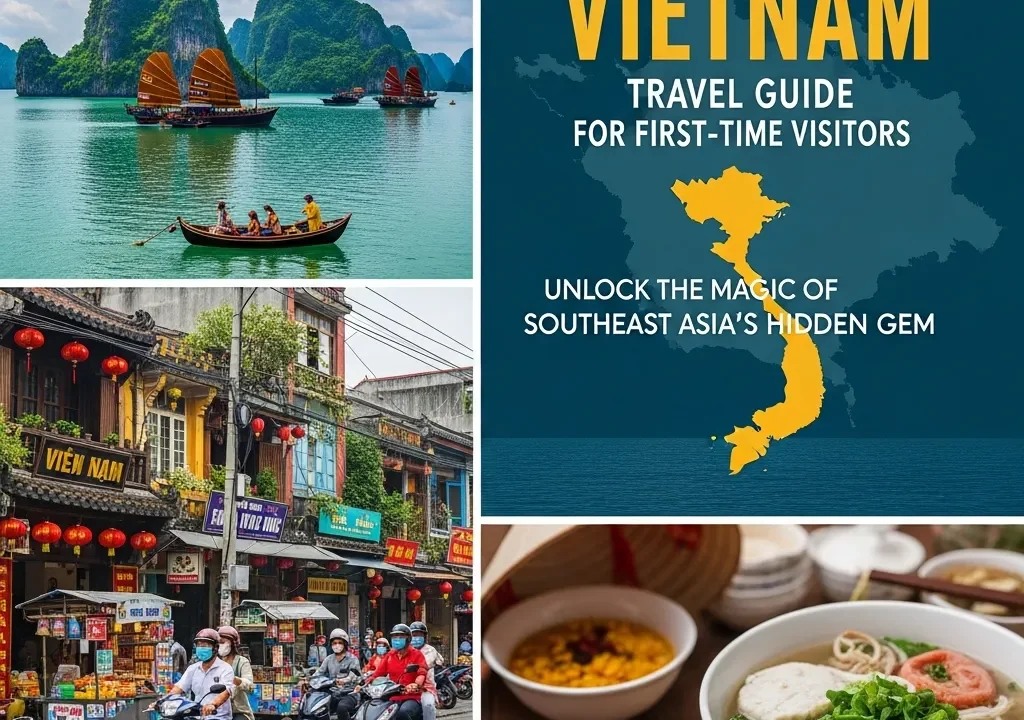
A comprehensive Vietnam travel guide helps you navigate visa requirements, book internal transport, and discover top destinations like Hanoi, Hoi An, and Ho Chi Minh City. Visitors should budget $40 to $100 per day, travel during the dry season (November to April), and explore sustainable wellness options in the northern mountains for a truly memorable trip.
Vietnam offers an incredible mix of vibrant city life, serene landscapes, and centuries-old cultural traditions. Stretching down the eastern edge of the Indochinese Peninsula, this Southeast Asian nation captures the attention of millions of travelers each year. You can start your morning sipping strong robusta coffee on a bustling Hanoi sidewalk and end it watching the sun dip below the limestone karsts of Ha Long Bay. Planning a trip here requires a solid roadmap, which is exactly why this Vietnam travel guide is essential for your upcoming journey.
Putting together a thorough itinerary means navigating various regional climates, understanding local customs, and figuring out the best transport networks. A reliable Vietnam travel guide removes the guesswork from this process. It helps you prioritize the sights that matter most to your personal travel style, saving you time, money, and unnecessary stress upon arrival. You will learn exactly how to structure your days, whether you want to focus entirely on culinary tours or spend your time exploring ancient imperial ruins.
This specific Vietnam travel guide goes beyond the standard tourist checkpoints. While we cover the mandatory highlights, we also introduce modern travel priorities like sustainable wellness retreats and hidden regional gems. By combining practical logistics with mindful exploration, this Vietnam travel guide ensures your trip is not only memorable but also positively impacts the local communities you visit.
How do I plan a trip to Vietnam?
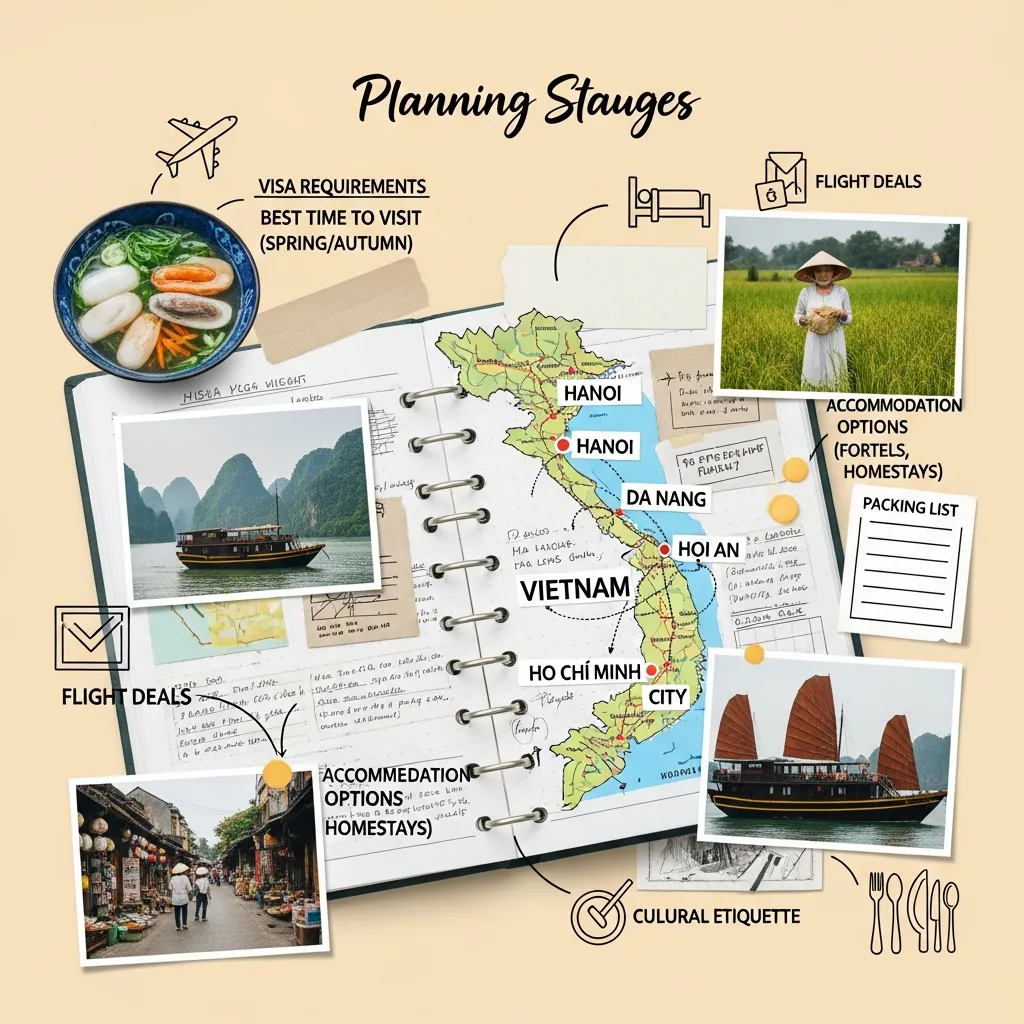
Effective planning is the foundation of any successful trip to Southeast Asia. Using this Vietnam travel guide, you can quickly tackle the bureaucratic and financial aspects of your vacation before you even pack your bags.
What are the visa requirements for Vietnam?
Most international travelers require a visa to enter the country. The most efficient method is applying for an e-Visa through the official Vietnam Immigration Department website. The e-Visa is valid for up to 90 days for both single and multiple entries. Applications typically take three to five working days to process. Always ensure your passport has at least six months of validity remaining from your planned date of entry.
When is the best time to visit Vietnam?
Vietnam features a diverse climate that varies drastically from north to south. Generally, the most favorable time to visit the entire country is during the spring (February to April) and autumn (August to October). During these windows, rainfall is lower, and temperatures are moderate. The north experiences cold winters from December to February, while the south remains hot and humid year-round with a distinct monsoon season from May to November.
How much should I budget for Vietnam?
Vietnam remains highly affordable. Budget backpackers can comfortably navigate the country on $30 to $40 per day, covering hostel beds, street food, and local buses. Mid-range travelers utilizing this Vietnam travel guide should budget between $75 and $120 per day for boutique hotels, domestic flights, and guided tours. Luxury travelers will find world-class resorts starting at $200 per night.
What are the best ways to book flights and transport?
Finding affordable international airfare requires strategy. You can use tools like Google Flights Like a Pro to track price drops and identify the cheapest days to fly into major hubs like Noi Bai International Airport (HAN) or Tan Son Nhat International Airport (SGN). For domestic travel, Vietnam Airlines and VietJet Air offer cheap, quick routes between major cities. The Reunification Express train provides a scenic, albeit slower, journey along the coast. Motorbike rentals are popular for short distances, but require a valid international driving permit.
What are the best places to visit in Vietnam?
A proper Vietnam travel guide must divide the country into its three distinct regions. Each area offers unique landscapes, culinary styles, and historical sites.
Where should I go in North Vietnam?
The northern region is defined by its mountainous terrain and deep-rooted history. Hanoi, the capital city, serves as the primary gateway. You should spend at least two days exploring the chaotic but charming Old Quarter, visiting Hoan Kiem Lake, and touring the 11th-century Temple of Literature. Ha Long Bay is a non-negotiable stop for first-time visitors; booking an overnight cruise allows you to explore hidden coves away from the day-trip crowds. Further north, the terraced rice paddies of Sapa offer incredible trekking. For a truly restorative experience, visitors can book stays at eco-lodges like Green Mountain Retreats, which focus on local ethnic minority culture and environmental preservation.
What are the highlights of Central Vietnam?
Central Vietnam is the cultural heart of the country. Hue, the former imperial capital, houses the sprawling Imperial City and ancient pagodas along the Perfume River. Da Nang serves as a modern coastal hub known for sweeping sandy beaches and the intricate cave shrines of the Marble Mountains. Just a short drive south sits Hoi An. This UNESCO World Heritage site is famous for its remarkably preserved Ancient Town, glowing silk lanterns, and world-renowned custom tailoring shops.
What are the top destinations in South Vietnam?
The south moves at a relentless, energetic pace. Ho Chi Minh City (formerly Saigon) is a commercial powerhouse. Essential historical stops include the War Remnants Museum and the Cu Chi Tunnels. South of the city lies the Mekong Delta, a vast maze of rivers and swamps where you can witness authentic river life and floating markets. If you want beach relaxation, take a short flight to Phu Quoc island, located in the Gulf of Thailand, known for its white sands and luxury resorts.
How can I experience authentic Vietnamese culture?
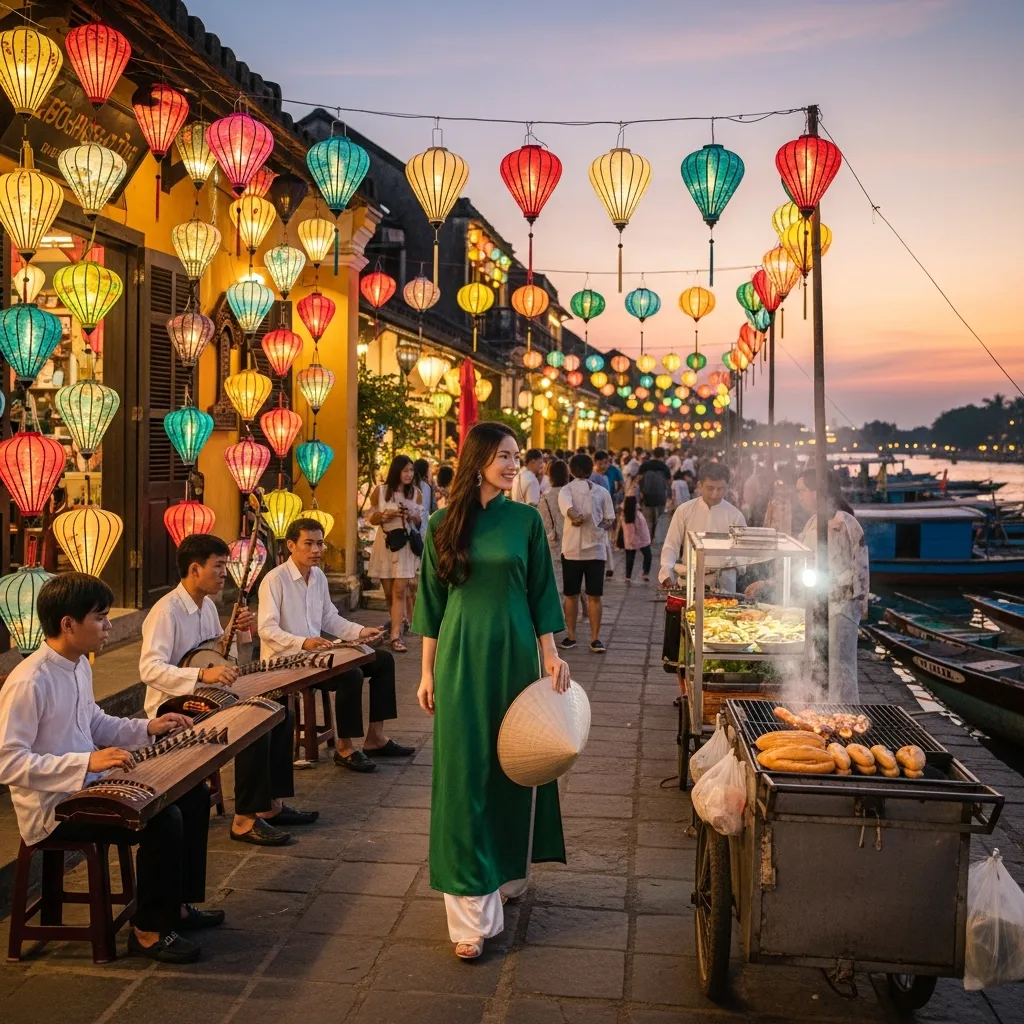
A comprehensive Vietnam travel guide highlights how to respectfully engage with local traditions and fully experience the vibrant culture.
What are the best ways to experience Vietnamese cuisine?
Vietnamese food balances salty, sweet, sour, and hot flavors. Joining a local street food tour is the safest and most informative way to dive into the culinary scene. Essential dishes to try include Pho (noodle soup), Banh Mi (baguette sandwich), and fresh spring rolls. Taking a cooking class in places like Hoi An allows you to bring these culinary skills home.
What are the local traditions and etiquette rules?
Vietnamese culture places a high value on respect for elders and saving face. When greeting locals, a slight bow of the head is polite. Dress modestly when visiting temples and pagodas, ensuring your shoulders and knees are completely covered. Always remove your shoes before entering a local home or a religious building.
What festivals should I look out for?
Tet Nguyen Dan (Lunar New Year) is the most significant celebration, usually falling in late January or early February. While it is a beautiful time to see the country decorated in red and gold, be aware that many businesses close for the holiday. The Mid-Autumn Festival is another vibrant event, characterized by mooncakes and colorful lion dances.
Where are the best places for shopping?
Markets are the heartbeat of Vietnamese commerce. Ben Thanh Market in Ho Chi Minh City and Dong Xuan Market in Hanoi are perfect for purchasing souvenirs, spices, and textiles. Remember that haggling is expected in these environments. Start by offering half the initial asking price and negotiate politely from there.
Where can I find sustainable wellness options in Vietnam?
Modern travelers increasingly prioritize health and environmental responsibility. This Vietnam travel guide strongly encourages incorporating these elements into your itinerary.
What eco-tourism initiatives are available?
Responsible travel practices are gaining traction across the country. Choose tour operators that employ local guides and contribute directly to community development. Avoid wildlife tours that involve riding elephants or handling captive animals. Instead, visit ethical sanctuaries like the Bear Rescue Centre in Tam Dao National Park.
How do I find Sustainable Wellness Retreats?
Travelers seeking rejuvenation have excellent options. Sustainable Wellness Retreats are popping up along the central coast and in the northern highlands. These properties utilize solar energy, grow their own organic produce, and offer traditional Vietnamese healing therapies, including herbal baths and acupuncture, providing a holistic approach to travel.
How can I practice mindful exploration?
Connecting with nature and local communities requires slowing down. Rather than rushing through five cities in ten days, choose two or three base locations. Rent a bicycle to explore rural villages, support local artisans by purchasing directly from their workshops, and take the time to learn a few basic phrases in Vietnamese.
What practical travel tips do I need for Vietnam?
Even with a great Vietnam travel guide, you need practical, ground-level advice to ensure your trip runs smoothly.
What types of accommodation are available?
Vietnam caters to every comfort level. Homestays in the Mekong Delta or Sapa offer unparalleled immersion into local daily life. Mid-range boutique hotels in major cities provide excellent value, often including lavish breakfast buffets. Luxury resorts in Da Nang and Phu Quoc rival the best hospitality standards in the world.
How do I stay connected?
Wi-Fi is ubiquitous in cafes, hotels, and restaurants across Vietnam. For constant connectivity, purchase a local tourist SIM card upon arrival at the airport from providers like Viettel or Vinaphone. Alternatively, set up an eSIM before you depart your home country for instant data access when you land.
How do I handle health and safety?
Consult a travel clinic before departure regarding recommended vaccinations, such as Typhoid and Hepatitis A. Comprehensive travel insurance is mandatory, as out-of-pocket medical care for foreigners can be expensive. While violent crime is incredibly rare, petty theft like bag snatching does occur in crowded areas of Ho Chi Minh City and Hanoi. Keep your valuables secured and avoid flashing expensive electronics near busy roads.
What is the currency situation?
The local currency is the Vietnamese Dong (VND). While high-end hotels and large restaurants accept major credit cards, cash is absolutely essential for street food, small markets, and rural areas. ATMs are widely available in all cities and major towns.
What are the best hidden gems in Vietnam?
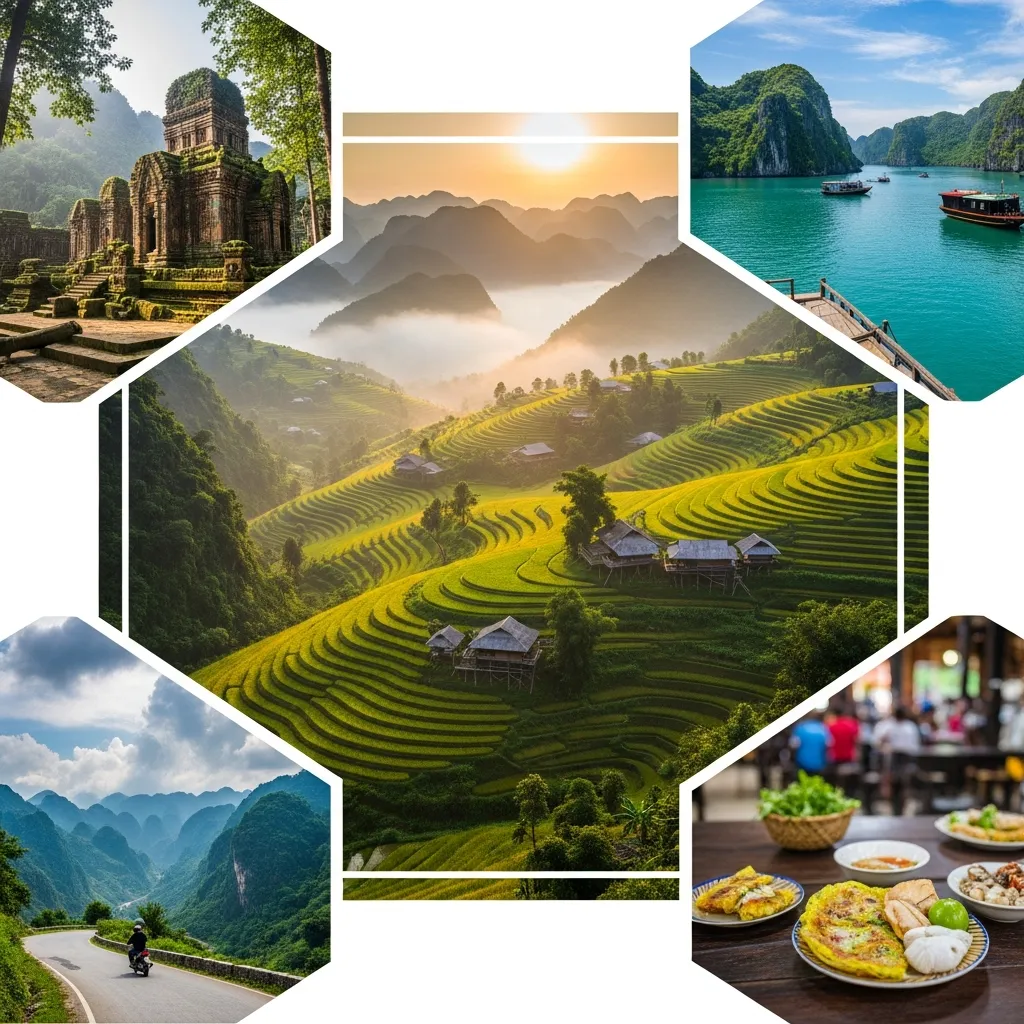
To elevate your Vietnam travel guide experience, venture off the heavily beaten tourist trail. Phong Nha-Ke Bang National Park remains vastly under-visited despite housing some of the largest and most spectacular cave systems on the planet. For quiet coastal vibes without the crowds of Da Nang, visit the sleepy beach town of Quy Nhon. In the north, the Ha Giang Loop offers dramatic, towering mountain passes that provide some of the most breathtaking motorcycle riding in Southeast Asia.
Start Your Unforgettable Adventure
Vietnam is a country that rewards curious and prepared travelers. By utilizing this comprehensive Vietnam travel guide, you possess the knowledge needed to navigate the bustling city streets, respect local customs, and uncover the serene natural beauty of the provinces. Whether you are trekking to Green Mountain Retreats, eating a steaming bowl of Pho in Hanoi, or relaxing on a tropical beach, your unforgettable adventure is ready to begin.
Frequently Asked Questions About Traveling in Vietnam
How long should I spend in Vietnam?
You should plan to spend at least two weeks in Vietnam. This allows you to comfortably visit the major highlights in the North, Central, and South regions without rushing. If you have three or four weeks, you can explore hidden gems and rural areas.
Is Vietnam safe for solo travelers?
Yes, Vietnam is highly regarded as a safe destination for solo travelers. Violent crime against tourists is exceptionally rare. Solo travelers should exercise standard precautions regarding petty theft in major cities and avoid walking alone late at night in unlit areas.
What are the best ways to get around Vietnam?
The best way to travel long distances is by domestic flight, using carriers like Vietnam Airlines. For regional travel, sleeper buses and the Reunification Express train are reliable and affordable. Within cities, ride-hailing apps like Grab are the safest and most convenient option.
What is the local currency and should I carry cash?
The local currency is the Vietnamese Dong (VND). You must carry cash at all times, as street food vendors, small markets, and rural transport operators do not accept credit cards. ATMs are easily found in all urban areas.
Do I need to speak Vietnamese?
No, you do not need to speak Vietnamese to navigate the country. English is widely spoken in the tourism industry, hotels, and major restaurants. However, learning basic greetings like “Xin chao” (Hello) and “Cam on” (Thank you) will be highly appreciated by locals.
Do I need travel insurance for Vietnam?
Yes, purchasing comprehensive travel insurance is strongly recommended. It protects you against unforeseen medical emergencies, trip cancellations, and lost luggage. Make sure your policy specifically covers motorcycle riding if you plan to rent a scooter.
Can I drink the tap water in Vietnam?
No, it is not safe to drink the tap water in Vietnam. You should only consume bottled water, filtered water provided by your hotel, or boiled water. Use safe water for brushing your teeth and avoiding ice in rural or unregulated establishments.
What power plugs are used in Vietnam?
Vietnam primarily uses Type A, Type C, and Type F power sockets. The standard voltage is 220V. Travelers from North America or the UK should bring a universal travel adapter to ensure their electronics can be charged safely.
Is it easy to find vegetarian food in Vietnam?
Yes, finding vegetarian food is relatively easy due to the country’s large Buddhist population. Look for signs that say “Chay,” which indicates vegetarian food. Many local restaurants serve excellent plant-based versions of popular noodle dishes and spring rolls.
How do I avoid common tourist scams?
Avoid scams by insisting taxi drivers use their meter or by exclusively using the Grab app. Never hand over your passport as collateral for a motorbike rental; offer a photocopy or a cash deposit instead. Always agree on a price before accepting a service like a cyclo ride.
What should I pack for a trip to Vietnam?
Pack lightweight, breathable clothing made of cotton or linen to handle the heat and humidity. Bring a sturdy pair of walking shoes, a light rain jacket for sudden downpours, and modest clothing that covers your shoulders and knees for temple visits.
Can I use US Dollars in Vietnam?
While US Dollars were once widely accepted, it is now illegal for most businesses to price items in foreign currency. You should exchange your money for Vietnamese Dong upon arrival or withdraw local currency from ATMs to pay for goods and services.


Sustainable Travel Advisor with over 10 years of experience designing eco-friendly itineraries and leading community-based tours worldwide. Holds a degree in Environmental Science and training in conservation. Writes about low-impact travel, protecting biodiversity, and creating authentic cultural experiences.







No Comments