


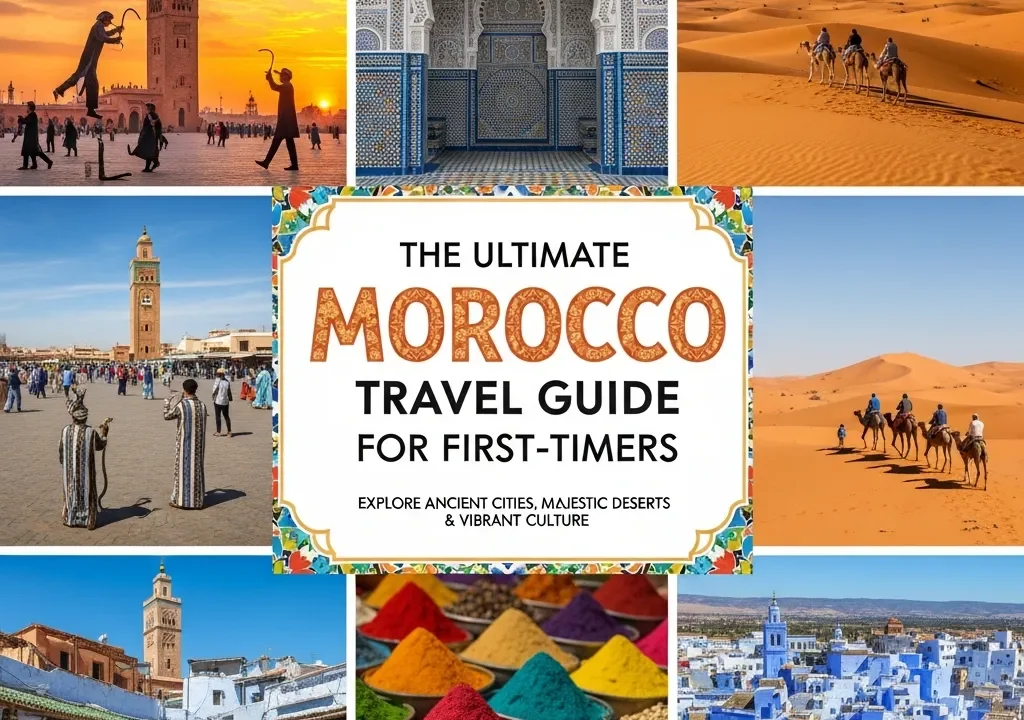
Your ultimate Morocco travel guide to exploring ancient cities, vibrant souks, and stunning landscapes. Discover hidden gems and practical tips for an unforgettable Moroccan adventure.
Morocco is a country that captivates the senses the moment you arrive. The scent of cumin and mint tea fills the air, while intricate tilework and towering minarets catch your eye at every turn. Located at the crossroads of Europe and Africa, this North African nation offers a rich tapestry of history, culture, and geography. You can wander through ancient medinas, ride a camel across the Sahara Desert, and hike the rugged Atlas Mountains—all within a single trip.
If you are planning a visit, having a reliable Morocco travel guide is essential. Navigating the bustling souks and understanding local customs can be overwhelming for first-time visitors. This comprehensive Morocco travel guide covers everything you need to know before you go. From planning your itinerary to discovering the best local dishes, you will find practical advice to make your journey smooth and memorable.
Using a well-rounded Morocco travel guide helps you uncover the hidden gems that many tourists miss. By the end of this post, you will be fully prepared to embrace the magic of the country, ensuring your trip is nothing short of extraordinary. Let this Morocco travel guide be your roadmap to an unforgettable African adventure.
Planning Your Trip: Essential Pre-Travel Information
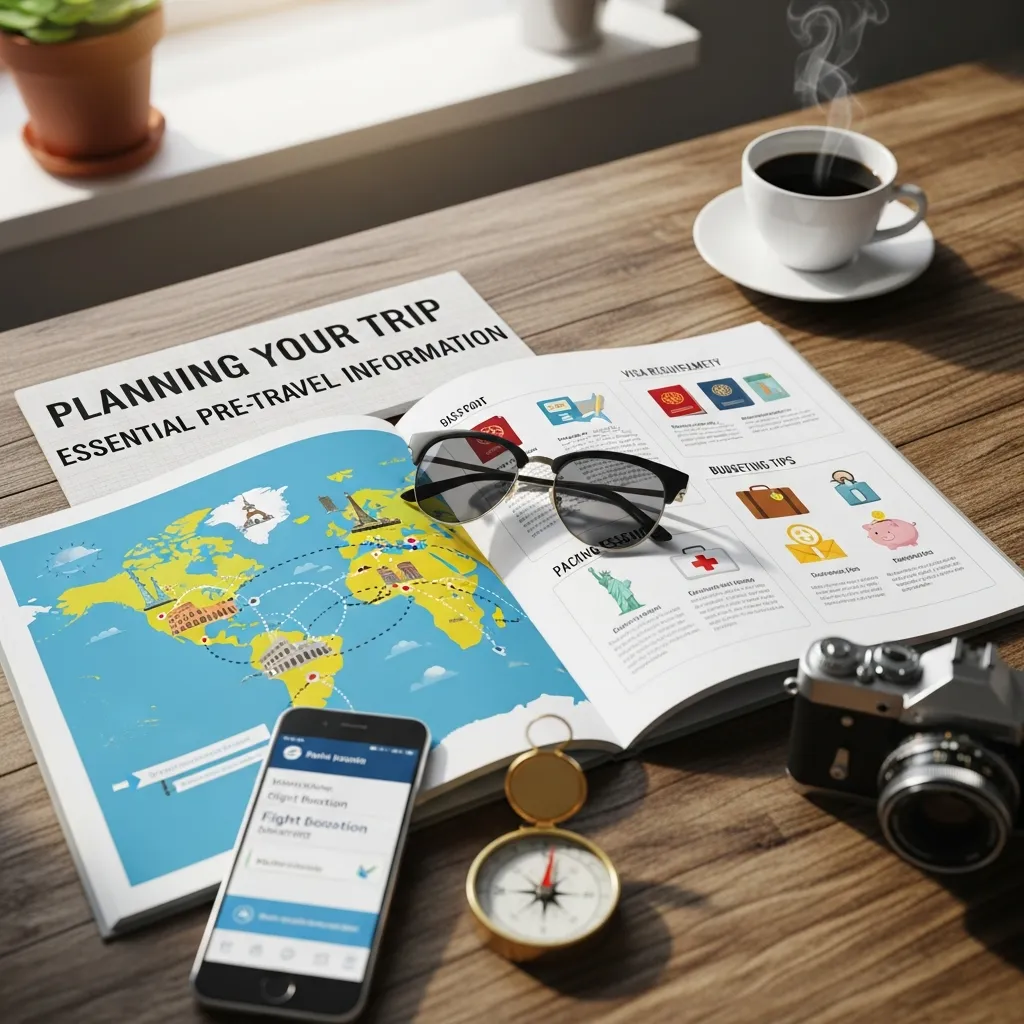
A successful trip starts with solid preparation. Following this Morocco travel guide will help you sort out the logistics before you even pack your bags.
Best time to visit Morocco
Spring (March to May) and autumn (September to November) are generally the best times to visit. The weather during these months is warm and pleasant, avoiding the extreme heat of the summer and the chilly winter nights in the mountains. If you plan to hike the Atlas Mountains, late spring offers beautiful blooming landscapes.
Visa requirements and entry
Citizens from the US, UK, Canada, Australia, and most EU countries can enter Morocco visa-free for up to 90 days. You simply need a passport valid for at least six months beyond your date of entry. Always check your local government’s travel advisories for the most up-to-date entry requirements before booking your flight.
Currency, budget, and cost of travel
The local currency is the Moroccan Dirham (MAD). While high-end hotels and large restaurants accept credit cards, cash is king in the souks, small cafes, and rural areas. Morocco is highly affordable for travelers. Budget backpackers can easily get by on $30 to $50 a day, while a mid-range budget of $70 to $120 allows for comfortable riad stays and excellent restaurant meals.
Packing essentials for Morocco
Modesty is key when packing for this destination. Both men and women should bring lightweight, breathable clothing that covers the shoulders and knees. Pack comfortable walking shoes for the uneven cobblestone streets of the medinas. A scarf is a highly versatile item—it can protect your head from the sun, cover your shoulders when visiting mosques, and keep you warm during chilly desert nights.
Exploring Imperial Cities: Culture and History
Morocco has four historical capital cities, each boasting magnificent architecture and deep cultural roots. No Morocco travel guide is complete without exploring these urban centers.
Marrakech: The Red City
Marrakech is often the first stop for travelers. The city pulses with energy, centered around the famous Djemaa el-Fna square. By day, the square is filled with snake charmers and fresh orange juice stalls. By night, it transforms into a massive open-air food market.
Take time to visit the stunning Bahia Palace, showcasing incredible Islamic architecture, and the Jardin Majorelle, a botanical garden famously restored by Yves Saint Laurent. Afterward, get lost in the endless maze of the souks, where you can shop for spices, textiles, and handcrafted leather goods.
Fes: The Spiritual Heart of Morocco
Fes is older and more traditional than Marrakech. The Fes el-Bali medina is a UNESCO World Heritage site and the largest car-free urban area in the world. Walking through its narrow alleys feels like stepping back in time.
You must visit the Chouara Tannery, where workers dye leather in massive stone vats using techniques that have not changed in centuries. The Al-Attarine Madrasa is another highlight, featuring exquisite tilework and carved cedar wood.
Rabat: The Capital City
Rabat offers a much calmer atmosphere compared to Marrakech and Fes. It features wide boulevards and a relaxed coastal vibe. The Hassan Tower and the breathtaking Mausoleum of Mohammed V are key historical sites. You should also wander through the Oudaya Kasbah, a picturesque neighborhood with blue and white painted houses overlooking the Atlantic Ocean.
Meknes: Imperial City with Roman Roots
Meknes is smaller and less crowded than its imperial counterparts. The Bab Mansour gate is famous for its intricate mosaics and imposing size. Just a short drive from Meknes lies Volubilis, the exceptionally well-preserved ruins of an ancient Roman city. The scenic hills surrounding Volubilis might remind you of lush getaways like Green Mountain Retreats, offering a peaceful contrast to the bustling cities.
Coastal Charms: Beaches and Seaside Towns
When you need a break from the busy medinas, head to the coast. The Atlantic shoreline offers refreshing sea breezes and excellent seafood.
Essaouira: The Wind City
Essaouira is a charming, laid-back coastal town characterized by whitewashed walls and blue shutters. The medina is smaller and much easier to navigate than those in larger cities. The active fishing port is a great place to watch the daily catch come in. Thanks to the strong coastal winds, Essaouira is also a premier destination for kite surfing and windsurfing.
Casablanca: Modern Metropolis
Casablanca is Morocco’s economic hub. While it lacks the ancient charm of Fes, it is home to the spectacular Hassan II Mosque. This is one of the few mosques in the country open to non-Muslims, featuring a glass floor and a minaret that stands 210 meters tall. The city also features fascinating Art Deco architecture left over from the French colonial period.
Desert Adventures: The Sahara Experience
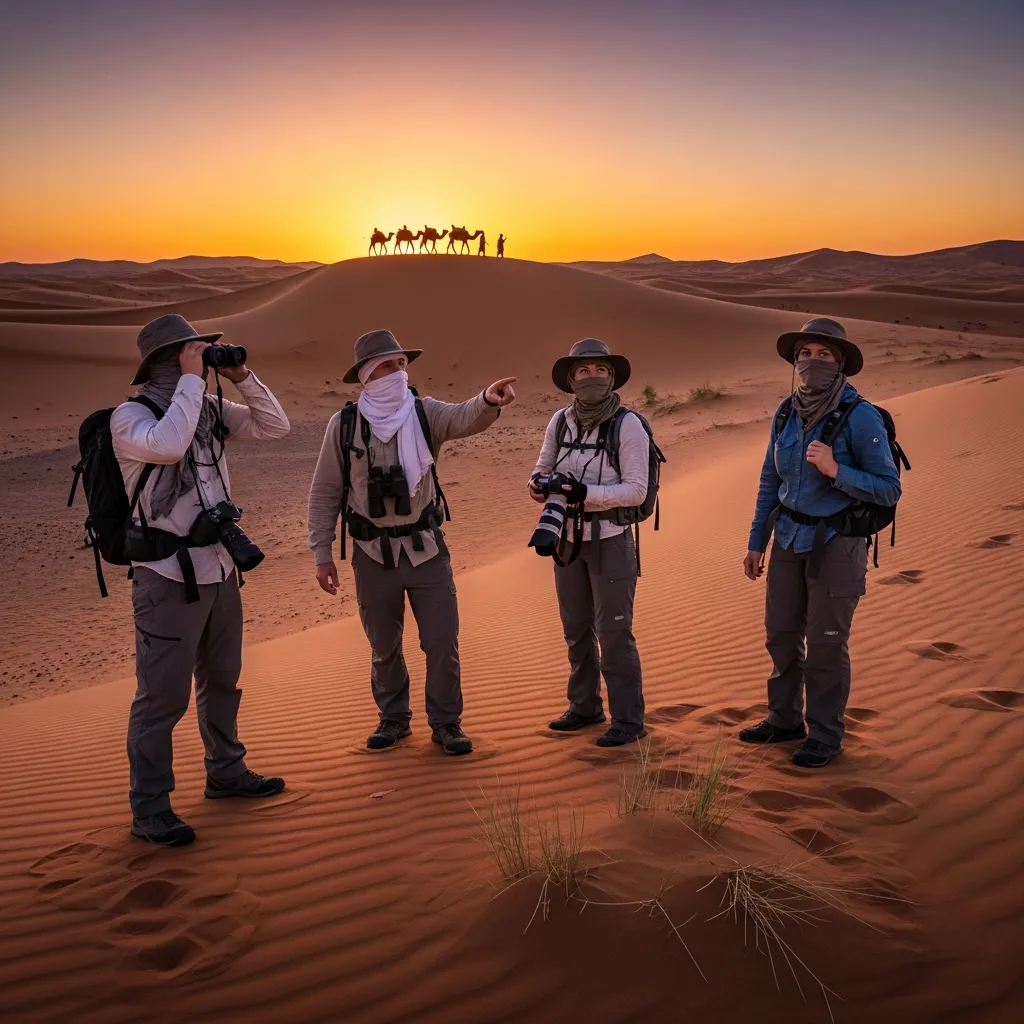
For many, riding a camel into the sunset is the main reason for reading a Morocco travel guide. The Sahara Desert offers an unforgettable experience.
Merzouga: Gateway to Erg Chebbi
Merzouga is the starting point for exploring the Erg Chebbi dunes, which can reach up to 150 meters high. Most visitors take a late afternoon camel trek into the desert to spend the night in a traditional Berber camp. The absence of light pollution makes stargazing in the Sahara an incredibly humbling experience.
Zagora: Shorter desert trips
If you are short on time, Zagora offers a closer desert experience. While the dunes here are flatter and less dramatic than Erg Chebbi, Zagora still provides excellent opportunities for camel rides and sleeping under the stars without the long multi-day drive from Marrakech.
Atlas Mountains: Berber Culture and Scenic Views
The Atlas Mountains stretch across the country, providing spectacular hiking trails and a glimpse into traditional Berber life.
High Atlas: Hiking and traditional villages
The High Atlas region is perfect for outdoor enthusiasts. Mount Toubkal, the highest peak in North Africa, challenges experienced hikers. Even if you do not climb the summit, walking between the small mud-brick Berber villages offers stunning views and warm local hospitality.
Ourika Valley: Day trips from Marrakech
Located just an hour from Marrakech, the Ourika Valley is a popular day trip. You can hike to beautiful waterfalls and eat at restaurants situated right on the river’s edge. If you value sustainable tourism in natural settings like this, similar to the practices found in an Eco-Friendly Ireland Travel Guide, you will appreciate the community-run cooperatives in this valley that support local women.
Moroccan Cuisine: A Culinary Journey
A great Morocco travel guide always highlights the food. Moroccan cuisine is a delicious blend of Berber, Arabic, and Mediterranean influences.
Must-try dishes: Tagine, couscous, pastilla
The tagine is the centerpiece of Moroccan dining. Named after the clay pot it is cooked in, this slow-cooked stew blends meat, vegetables, and savory spices. Friday is traditionally couscous day, where families gather around massive platters of fluffy semolina grain topped with tender vegetables and meat. For something unique, try pastilla—a savory-sweet pie filled with spiced pigeon or chicken, topped with powdered sugar and cinnamon.
Mint tea ceremony
Mint tea, often called “Moroccan whiskey,” is a symbol of hospitality. It is a sweet blend of green tea and fresh mint leaves, poured from high above into small glasses to create a frothy top. Accepting a glass of tea is a wonderful way to connect with shop owners and locals.
Cooking classes
Taking a cooking class is highly recommended. Many riads offer half-day courses where you visit a local market to buy ingredients before learning how to blend spices and slow-cook your own tagine.
Practical Tips for Travelers
To ensure your trip is hassle-free, keep these tips from our Morocco travel guide in mind.
Transportation: Trains, buses, grand taxis
Morocco has an excellent train network connecting major cities like Marrakech, Casablanca, Rabat, and Tangier. For destinations without train stations, private bus companies like CTM and Supratours offer comfortable, air-conditioned rides. “Grand taxis” (shared route taxis) are a cheaper, albeit more cramped, way to travel between smaller towns.
Safety and local customs
Morocco is generally very safe for tourists. Violent crime is rare, though pickpocketing can happen in crowded souks. Dress modestly to respect the conservative Islamic culture. Public displays of affection should be kept to a minimum.
Language and basic phrases (Darija)
The official languages are Arabic and Amazigh (Berber), while French is widely spoken in business and tourism. Moroccan Arabic, known as Darija, is distinct from standard Arabic. Learning a few words like “Salam” (Hello) and “Shukran” (Thank you) goes a long way with the locals.
Shopping tips and bargaining
Bargaining is expected in the medinas. It is a friendly game rather than an argument. Start by offering a third of the vendor’s initial price, and work your way to a compromise. Never start bargaining unless you actually intend to buy the item.
Beyond the Mainstream: Unique Experiences
Your Morocco travel guide should also encourage you to step off the beaten path.
Discovering smaller towns and local markets
While the main cities are thrilling, the smaller towns offer authentic charm. Visit Chefchaouen, the famous Blue City nestled in the Rif Mountains, or Taroudant, often called “Little Marrakech.” Finding unique perspectives here is just as thrilling as hunting down Hidden Photo Locations in Paris for urban exploration tips.
Start Your Moroccan Adventure
Morocco is a country that challenges and rewards travelers in equal measure. From the quiet majesty of the Sahara Desert to the vibrant chaos of the Marrakech souks, every day presents a new sensory experience. By following this Morocco travel guide, you will be well-prepared to navigate the culture, enjoy the cuisine, and connect with the welcoming locals. Pack an open mind and a sense of adventure, and get ready for a trip you will never forget.
Frequently Asked Questions
1. Is Morocco safe for tourists?
Yes, Morocco is generally safe. Petty crime like pickpocketing happens in crowded areas, so keep your valuables secure. Violent crime against tourists is extremely rare.
2. What is the best currency to use in Morocco?
The Moroccan Dirham (MAD) is the official currency. It is best to use local currency for all transactions. Some large shops accept Euros, but you will get a poor exchange rate.
3. Do I need a visa to visit Morocco?
Travelers from the US, UK, Canada, Australia, and most EU nations do not need a visa for stays up to 90 days. Always check current regulations before traveling.
4. What should I wear in Morocco?
Dress modestly. Women should cover their shoulders, cleavage, and knees. Men should avoid wearing short shorts or sleeveless shirts in rural areas and medinas.
5. Is it easy to get around Morocco?
Yes, the country has a reliable train system connecting major cities, and comfortable coach buses for other routes. Taxis are also readily available.
6. What are the must-try foods in Morocco?
You absolutely must try a traditional tagine, Friday couscous, and pastilla. Don’t forget to drink plenty of fresh sweet mint tea.
7. Can I drink tap water in Morocco?
It is highly recommended that tourists stick to bottled or filtered water to avoid stomach issues. Avoid ice in your drinks at smaller, rural cafes.
8. How can I avoid scams in Morocco?
Be wary of “false guides” offering unsolicited directions, as they usually demand a tip. Use a map app on your phone and firmly say “No, thank you” to unwanted help.
9. Is bargaining common in Morocco?
Yes, bargaining is a standard practice in the souks. Approach it with a smile and a friendly attitude, aiming to pay about half of the original asking price.
10. What’s the difference between a riad and a hotel?
A riad is a traditional Moroccan home built around an interior courtyard or garden, offering an intimate, authentic stay. A hotel follows standard Western layouts.
11. Can I visit Morocco as a solo female traveler?
Yes. Solo female travelers visit safely all the time. However, you should expect some verbal attention. Walking with purpose, dressing modestly, and ignoring catcalls are the best strategies.
12. What are the best souvenirs to buy?
Argan oil, leather goods, hand-woven Berber rugs, painted ceramics, and aromatic spices are some of the best souvenirs you can bring home.


Sustainable Travel Advisor with over 10 years of experience designing eco-friendly itineraries and leading community-based tours worldwide. Holds a degree in Environmental Science and training in conservation. Writes about low-impact travel, protecting biodiversity, and creating authentic cultural experiences.





No Comments