


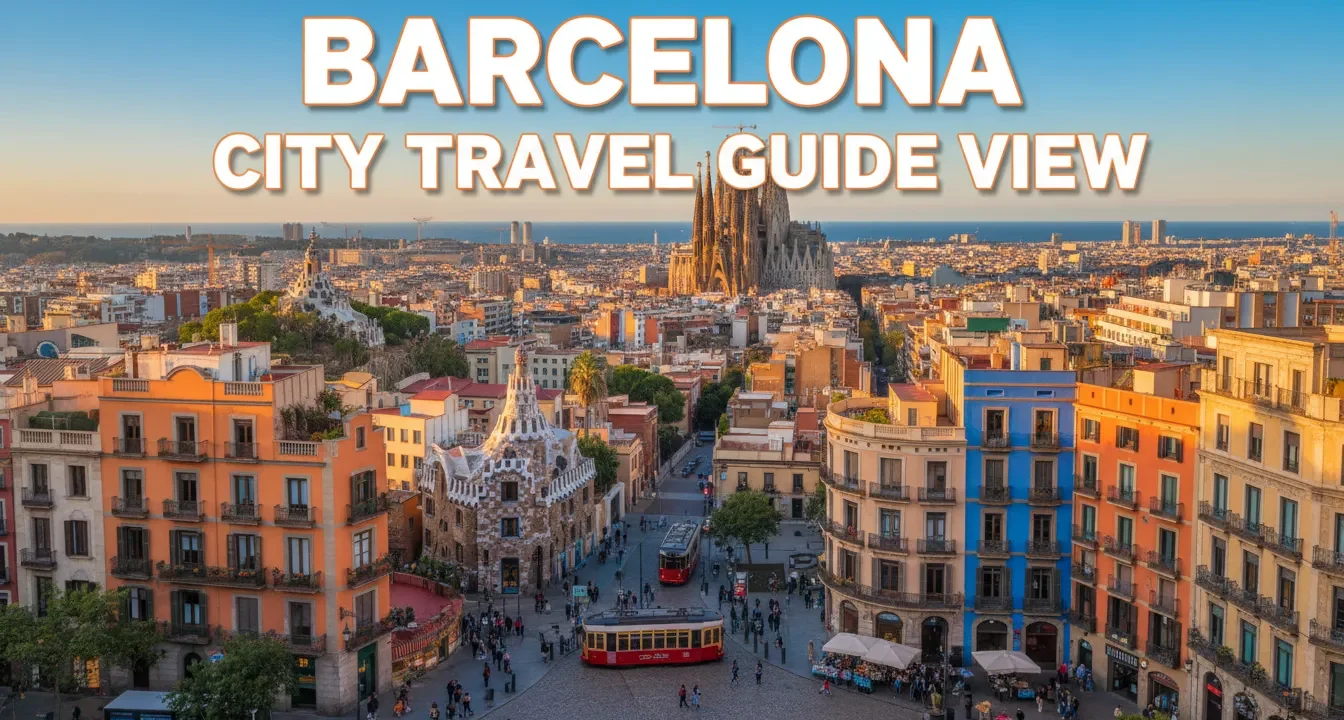
This comprehensive guide provides everything you need for the perfect trip. You will discover top neighborhoods, must-see attractions, authentic dining spots, and practical transportation tips. Learn how to avoid tourist traps and experience the authentic charm of the Catalan capital.
Welcome to the ultimate Barcelona Travel Guide. Discover the vibrant Mediterranean culture, breathtaking Gaudí architecture, and world-class tapas that make this coastal Spanish city truly unforgettable.
Why You Need a Comprehensive Barcelona Travel Guide
Planning a trip to the capital of Catalonia requires more than just booking a flight and showing up. The city is a sprawling metropolis filled with distinct neighborhoods, world-renowned architecture, and a culinary scene that ranges from cheap street food to Michelin-starred dining. Without a proper Barcelona Travel Guide, you might find yourself stuck in long lines, eating overpriced food on La Rambla, or missing out on the hidden local spots that make the city so special.
Whether you are planning a quick weekend getaway or a two-week Mediterranean vacation, understanding the local culture, transit systems, and ticketing requirements will save you time and money. You want to spend your days sipping vermouth and marveling at modernist buildings, not stressing over logistics. This article serves as your ultimate resource for navigating the city like a local, ensuring you get the most out of your Spanish holiday. Make sure to check out our European city breaks page for more inspiration on combining this trip with other nearby destinations.
Top Neighborhoods to Explore
Understanding the layout of the city is the first step in any successful trip. The city is divided into several distinct districts, each offering a completely different vibe, architecture, and dining scene.
The Gothic Quarter (Barri Gòtic)
The Gothic Quarter is the historic heart of the city. Built on ancient Roman ruins, this neighborhood features narrow, winding cobblestone streets, hidden plazas, and towering medieval architecture. Here, you can visit the stunning Cathedral of Barcelona and walk under the famous Bishop’s Bridge. Because the streets are pedestrian-only in many areas, getting lost in the maze of alleys is one of the best ways to spend an afternoon. This area is highly popular with tourists, so it is best to explore early in the morning before the crowds arrive.
El Born
Located right next to the Gothic Quarter, El Born blends historic charm with a trendy, artisanal vibe. It is home to the Picasso Museum and the beautiful Basilica of Santa Maria del Mar. The streets here are lined with independent boutiques, craft coffee shops, and some of the best cocktail bars in Europe. El Born is the perfect neighborhood for travelers who want to be central but prefer a slightly more bohemian and creative atmosphere.
Eixample
If you look at an aerial map of the city, the Eixample is the district with the perfect grid pattern and chamfered corners. This neighborhood was built in the late 19th and early 20th centuries during the city’s industrial boom. It features wide avenues, high-end shopping, and the highest concentration of modernist architecture. You will find several of Antoni Gaudí’s most famous buildings here, including Casa Batlló and Casa Milà. The example is divided into a right and left side, both offering fantastic upscale dining and boutique hotels.
Gràcia
Before it was swallowed up by the expanding city, Gràcia was an independent village. Today, it still maintains that small-town feel. You will not find many massive tourist attractions here, which is exactly why locals love it. The neighborhood is built around tree-lined plazas where residents gather to drink coffee, let their children play, and enjoy late-night tapas. If you want to experience authentic local life, you must include a visit to Gràcia in your Barcelona Travel Guide itinerary.
Barceloneta
Bordering the Mediterranean Sea, Barceloneta is the old fishermen’s quarter. Today, it is famous for its sandy beaches, seafood restaurants, and bustling boardwalk. While the main beach can get incredibly crowded during the summer months, the neighborhood’s narrow backstreets still hold traditional charm. This is the best place in the city to sit by the water, order a massive pan of seafood rice, and enjoy the ocean breeze.
Must-See Attractions and Gaudí Masterpieces
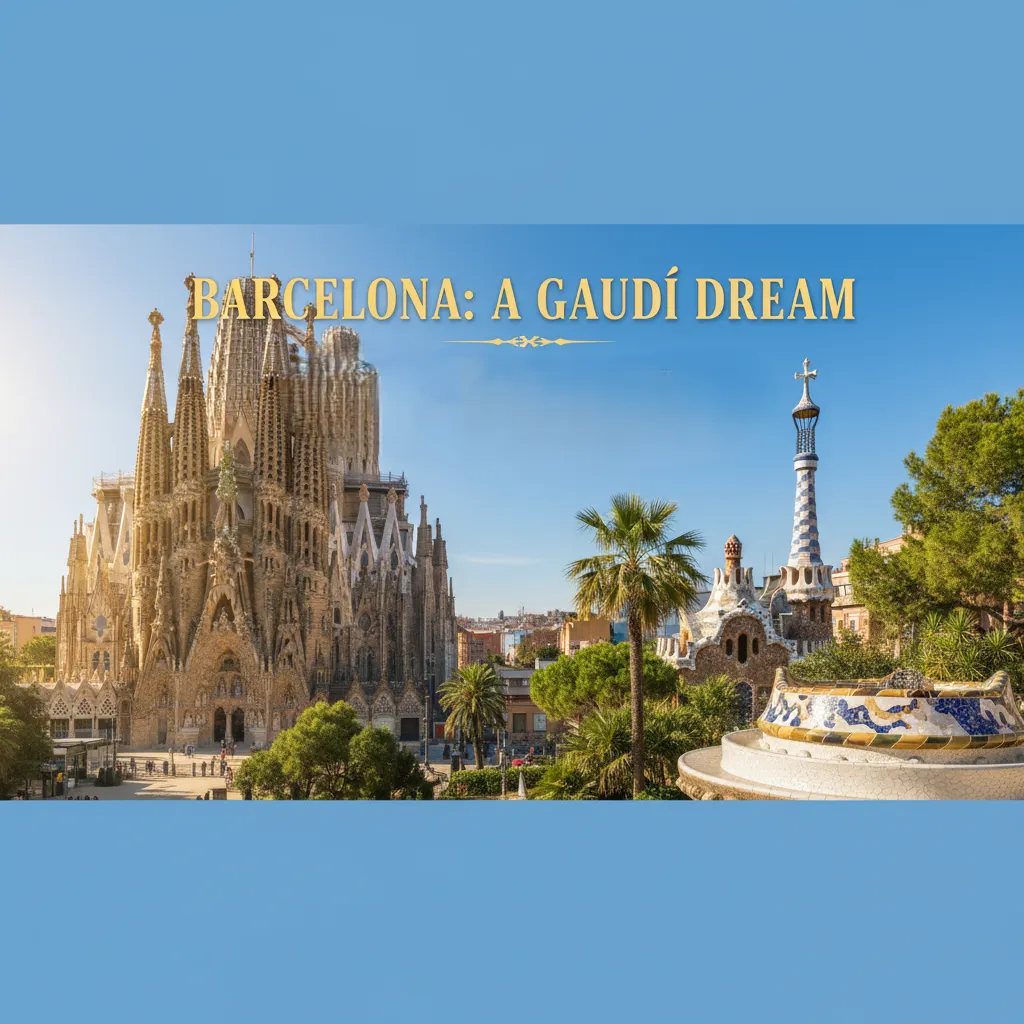
No Barcelona Travel Guide is complete without a deep dive into the city’s unparalleled architecture. Antoni Gaudí left a permanent mark on the city, and his masterpieces draw millions of visitors every year.
La Sagrada Familia
The Sagrada Familia is the crown jewel of the city. This massive basilica has been under construction for over 140 years and remains unfinished. The exterior features incredibly detailed facades depicting the birth and passion of Christ, while the interior looks like a towering, colorful stone forest. The light filtering through the stained glass windows creates a magical atmosphere that changes throughout the day. You must buy your tickets online well in advance, as they frequently sell out.
Park Güell
Originally designed as a luxury housing estate, Park Güell is now a public park that showcases Gaudí’s playful, nature-inspired style. Located on Carmel Hill, the park offers sweeping panoramic views of the city and the sea. You can walk along the winding mosaic benches, take a photo with the famous lizard statue, and explore the viaducts built to blend seamlessly into the hillside.
Casa Batlló and Casa Milà
Located on the glamorous Passeig de Gràcia, these two apartment buildings are testaments to Gaudí’s genius. Casa Batlló is often called the House of Bones due to its skeletal balconies and shimmering, scale-like roof that represents a dragon. Just down the street, Casa Milà (also known as La Pedrera) features a rolling stone facade and a spectacular rooftop garden of twisting chimneys. Both are incredibly popular, so booking ahead is essential.
Hospital de Sant Pau
While Gaudí gets most of the attention, Lluís Domènech i Montaner was another brilliant modernist architect. His Hospital de Sant Pau is a UNESCO World Heritage site and one of the most beautiful complexes in the city. It consists of multiple colorful, tile-covered pavilions surrounded by peaceful gardens. It is located just a short walk from the Sagrada Familia but sees a fraction of the crowds.
What to Eat in the Catalan Capital
The culinary scene is a major highlight of any visit. From casual bites to fine dining, this Barcelona Travel Guide will help you navigate the best local flavors. If you are planning a broader trip, you can also review our best tapas in Spain guide for regional specialties.
Essential Local Dishes
- Pa amb Tomàquet: This translates to bread with tomato. It is a simple but perfect staple made by rubbing toasted bread with raw garlic and ripe tomatoes, then drizzling it with local olive oil and sea salt.
- Patatas Bravas: Fried potato cubes served with a spicy red sauce and creamy garlic aioli. Every bar has its own secret recipe.
- Jamón Ibérico: Thinly sliced, acorn-fed cured ham that melts in your mouth.
- Fideuà: Similar to paella, but made with short noodles instead of rice. It is deeply flavorful and typically served with fresh seafood and a side of aioli.
Understanding Tapas Culture
Unlike some southern Spanish cities, free tapas are not common here. Instead, you order small plates to share with your group. The best way to eat is to visit a few different bars in one night, having a drink and a couple of plates at each stop. Look for bustling, noisy spots where locals are standing at the bar.
The Vermouth Tradition
Drinking vermouth (vermut) is a cherished weekend tradition. Locals gather before lunch to drink sweet, herbaceous red vermouth served over ice with an orange slice and an olive. It is typically paired with salty snacks like anchovies, potato chips, and cockles.
Comparison Table: Tourist Traps vs. Authentic Eats
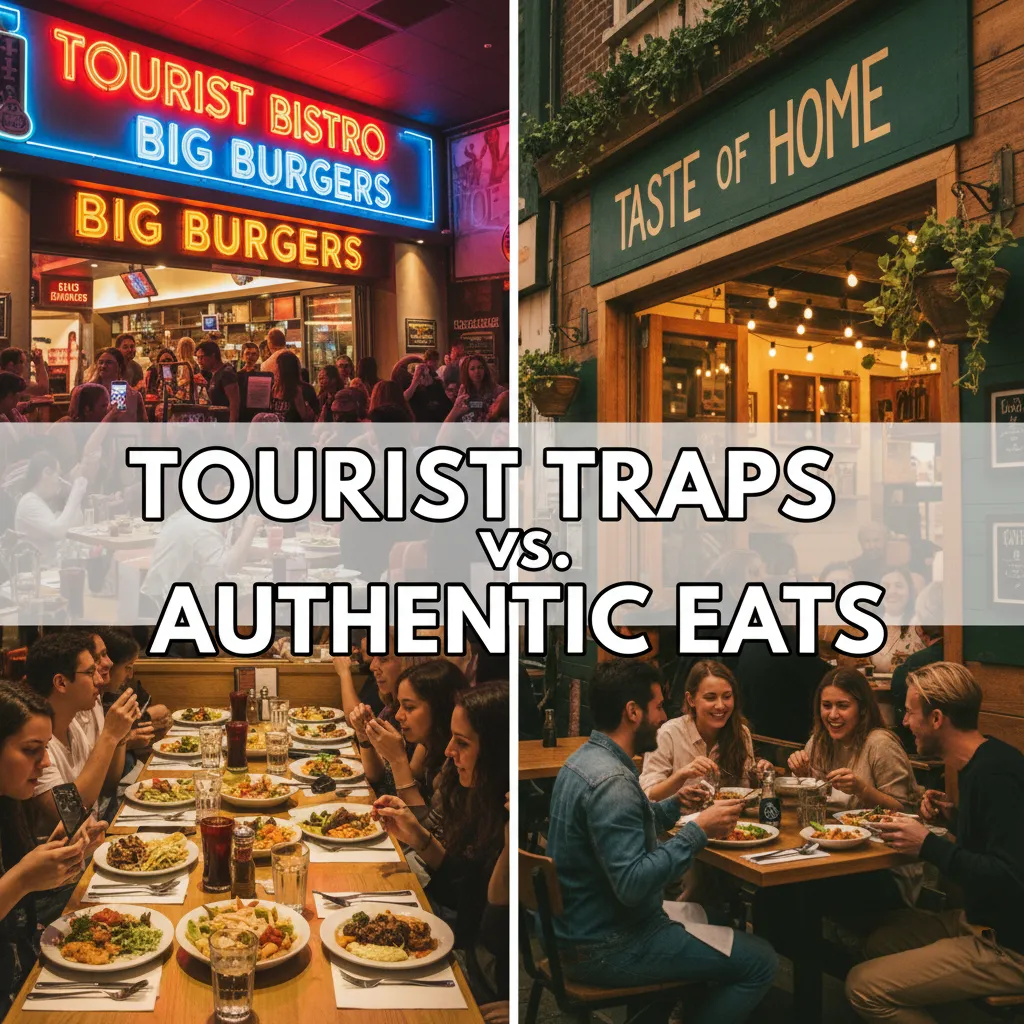
|
Feature |
Tourist Trap |
Authentic Local Spot |
|---|---|---|
|
Menu Language |
Translated into 10+ languages with giant photos |
Written in Catalan and Spanish on a chalkboard |
|
Location |
Directly on La Rambla or facing the Sagrada Familia |
Tucked away in the side streets of Gràcia or Poble Sec |
|
Paella Signs |
Bright yellow signs advertising frozen paella |
Paella requires a 20-minute wait to cook fresh |
|
Greeting |
Staff standing outside trying to pull you in |
Staff inside are busy serving customers |
|
Dinner Time |
Busy at 6:30 PM |
Empty until at least 8:30 PM, busy at 10:00 PM |
Transportation: Getting Around the City
Navigating the city is highly efficient, thanks to a robust public transportation network. This Barcelona Travel Guide highly recommends utilizing the underground systems to save your feet for exploring museums and parks.
The Metro and Bus Network
The metro system is clean, fast, and easy to use. It connects almost every major attraction and neighborhood. You can purchase a T-Casual ticket, which gives you 10 rides on the metro and bus network at a discounted rate. Remember that the T-Casual cannot be shared between multiple people on the same journey. Be sure to check the official Transports Metropolises de Barcelona website for current route maps.
Getting to and from the Airport
The Josep Tarradellas Barcelona-El Prat Airport is located a short distance from the city center. The most convenient way to travel is the Aerobus, which departs every few minutes and takes you directly to Plaça Catalunya. Alternatively, you can take the metro or the regional Renfe train, depending on where your accommodation is located.
Walking and Biking
This is a highly walkable city, especially in the older districts like the Gothic Quarter and El Born. Additionally, the city has invested heavily in dedicated bike lanes. Renting a bicycle for the day is a fantastic way to cruise along the beachfront or navigate the wide avenues of Eixample.
Common Mistakes to Avoid
Even seasoned travelers can make errors. Use this Barcelona Travel Guide to avoid the most common pitfalls that can ruin a vacation.
- Eating on La Rambla: La Rambla is beautiful for a morning stroll, but the restaurants lining the street are notorious for overpriced, low-quality food. Walk a few blocks into the adjacent neighborhoods for vastly better meals.
- Forgetting About Pickpockets: The city is generally very safe regarding violent crime, but petty theft is incredibly common. Keep a close eye on your belongings, especially in crowded metro stations and busy tourist areas. Never leave your phone sitting on a cafe table.
- Not Buying Tickets in Advance: Do not expect to walk up to the Sagrada Familia or Park Güell and buy a ticket for that day. Major attractions sell out weeks in advance, especially during the summer.
- Eating Dinner Too Early: If you go to a restaurant at 6:00 PM, you will only find other tourists. Locals do not eat dinner until 8:30 PM or later. Grab a late afternoon snack to tide you over.
Expert Insights and Pro Tips

To elevate your trip from good to unforgettable, consider these expert tips.
Seek Out Menu del Día: For lunch on weekdays, look for restaurants offering a Menu del Día (Menu of the Day). This usually includes a starter, main course, dessert, and a drink for a set price, often between 12 and 18 Euros. It is the best way to eat high-quality food on a budget.
Use the Hola BCN Card: If you plan on using public transit extensively, look into the Hola BCN card. It offers unlimited travel on the metro, buses, and trams for consecutive days, making it incredibly convenient for quick trips.
Embrace the Siesta Culture: While major stores and tourist attractions remain open all day, many smaller boutiques, neighborhood bakeries, and local restaurants close between 4:00 PM and 8:00 PM. Plan your shopping and eating accordingly. For more guidance on adjusting to local schedules, read our Spain travel itinerary suggestions.
Explore Beyond the City Limits: If you have more than three days, take a day trip. The mystical mountains of Montserrat, the coastal beauty of Sitges, and the medieval city of Girona are all accessible via a short train ride. You can check the Catalonia Tourism Board for great day trip ideas.
Conclusion
Crafting the perfect itinerary is easy with this Barcelona Travel Guide. From marveling at the Sagrada Familia to savoring authentic tapas in Gràcia, your Spanish adventure awaits. Book your tickets early, pack your comfortable walking shoes, and get ready to explore the magic of Catalonia today! Start planning your dream getaway now.
FAQs
1. What is the best time to visit?
The best time to visit is during the shoulder seasons: May to June and September to October. During these months, the weather is beautifully warm and sunny, but you avoid the intense heat and massive tourist crowds of July and August. Winter is also pleasant and offers lower hotel rates, though beach activities will be off the table.
2. How many days do I need to see the city?
To truly experience the highlights without rushing, you need at least three to four full days. This gives you enough time to explore the major Gaudí sites, wander through the historic Gothic Quarter, spend an afternoon at the beach, and enjoy the local culinary scene. If you want to take day trips, plan for five to six days.
3. Is the city safe for tourists?
Yes, the city is very safe when it comes to violent crime. However, it is infamous for pickpocketing, particularly in crowded tourist areas like La Rambla, the Sagrada Familia, and on the metro. Always keep your bags zipped, carry your wallet in your front pocket, and stay aware of your surroundings.
4. Do I need to tip at restaurants?
Tipping culture is very different from the United States. Service staff are paid a living wage, so large tips are not expected. However, it is common to leave a small tip for good service. You can round up the bill or leave a few extra Euros on the table. For exceptional service at a nice dinner, a 5 to 10 percent tip is generous.
5. What is the best way to get from the airport to the city center?
The Aerobus is the most convenient option. It runs continuously between the airport terminals and Plaça Catalunya in the city center. The journey takes about 35 minutes and offers free Wi-Fi and luggage storage. You can also take the metro (L9 Sud) or a local train, depending on your final destination.
6. Do people speak English?
Yes, English is widely spoken in the city, especially in the hospitality and tourism sectors. You will have no trouble navigating hotels, major restaurants, and attractions. However, learning a few basic phrases in Spanish or Catalan, such as “Hola” (hello) and “Gràcies” (thank you), is always deeply appreciated by the locals.
7. How far in advance should I book attraction tickets?
For major attractions like the Sagrada Familia, Park Güell, and Casa Batlló, you should book your tickets at least two to three weeks in advance, especially if you are traveling during the peak summer months. Booking online not only secures your entry but also lets you skip the massive ticket lines.
8. What is the difference between Catalan and Spanish?
Catalonia has its own distinct language and culture. Catalan is not a dialect of Spanish; it is a separate Romance language with its own grammar and vocabulary. All street signs, official documents, and public transit announcements are in Catalan first, followed by Spanish. Locals speak both languages fluently.
9. Can I drink the tap water?
Yes, the tap water is completely safe to drink. However, due to the high mineral content, many people do not enjoy the taste. It is perfectly fine for brushing your teeth and cooking, but you may prefer to order bottled water (agua mineral) at restaurants. You can ask for still water (sin gas) or sparkling water (con gas).
10. What is the Hola BCN card?
The Hola BCN card is a travel pass designed for tourists. It provides unlimited journeys on public transportation, including the metro, buses, trams, and suburban trains within zone 1. It also covers your metro journey from the airport to the city center. It is a highly cost-effective choice if you plan on using transit frequently throughout your stay.


Sustainable Travel Advisor with over 10 years of experience designing eco-friendly itineraries and leading community-based tours worldwide. Holds a degree in Environmental Science and training in conservation. Writes about low-impact travel, protecting biodiversity, and creating authentic cultural experiences.








No Comments