


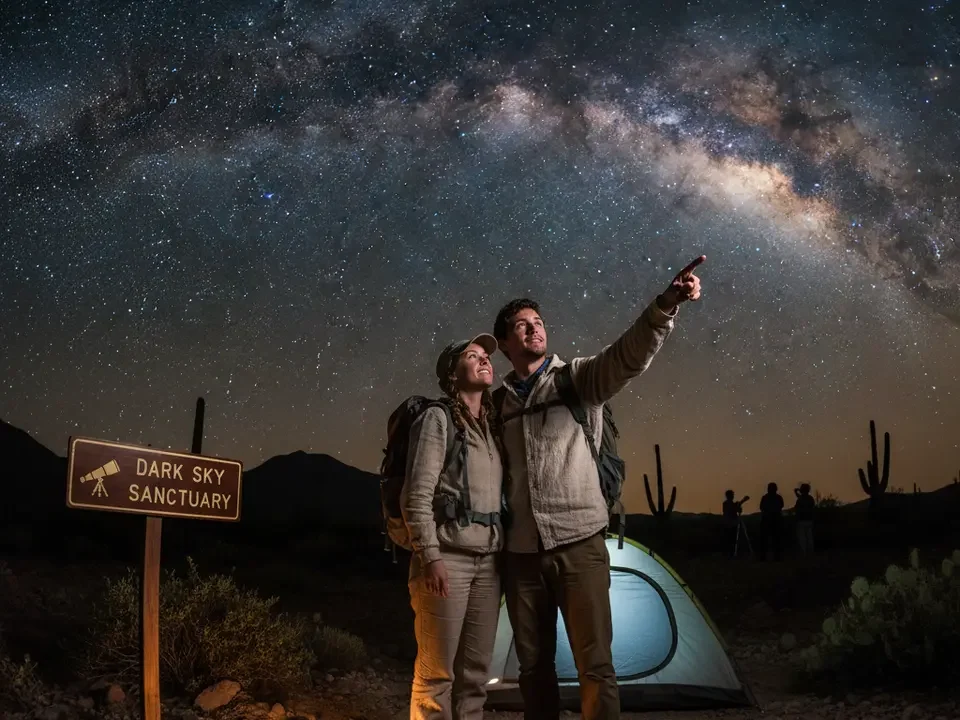
In today’s digital landscape, the allure of the night sky can feel almost lost to the glare of streetlights and urban hubs. Dark sky tourism offers an opportunity to escape the luminous detritus of city life and witness celestial wonders in their purest form. Under pristine, pollution-free skies, the Milky Way stretches like a luminous river, meteor showers paint fleeting arcs across the firmament, and distant star clusters reveal secrets billions of miles away. This specialized travel niche is gaining momentum in 2026, as environmentally conscious explorers seek sustainable ways to experience nature’s grandest show. Over the following sections, you will discover the fundamental principles of dark sky tourism, understand how it bolsters local conservation efforts, and identify some of the world’s most celebrated dark sky havens. We’ll also guide you through responsible planning, recommend eco-friendly gear, and share best practices for minimizing your footprint while maximizing your stargazing experience. In addition to scientific observation, dark sky tourism often incorporates cultural narratives: indigenous star lore breathes life into constellations, local storytellers recount ancient celestial myths, and astronomy workshops encourage hands-on discovery. From guided nocturnal hikes to community-hosted star parties, these experiences foster a deep connection between travelers and local traditions. By choosing dark sky tourism, you support remote communities that invest in conservation, education, and sustainable development. This comprehensive guide will equip you with all the information necessary to plan an unforgettable, low-impact night-sky adventure in 2026.
Understanding Dark Sky Tourism
Dark sky tourism is a specialized form of eco-tourism that takes travelers to remote or protected locations where artificial light is strictly controlled. Currently, these destinations—designated Dark Sky Reserves, Parks, or Sanctuaries—adhere to rigorous lighting ordinances enforced by organizations such as the International Dark-Sky Association. By limiting streetlights and outdoor fixtures, communities preserve natural nightscapes and guarantee crystal-clear views of celestial phenomena.
At its core, dark sky tourism celebrates the universe’s splendor in its purest state. Visitors arrive equipped with telescopes, binoculars, or simply keen eyes to gaze upon star clusters, nebulae, and the glow of our galaxy’s sprawling spiral arms. This year (2026), interest in these experiences has surged as travelers seek alternatives to mass-market tourism that emphasize low impact, education, and cultural immersion.
Scientific institutions like NASA (https://www.nasa.gov/mission_pages/noirlab/light-pollution.html) have documented the adverse effects of light pollution on both astronomy and wildlife. Researchers have found that excessive artificial lighting can disrupt nocturnal ecosystems, alter animal behaviors, and even affect human circadian rhythms. In response, dark sky communities partner with experts to monitor sky brightness and implement shielded fixtures that direct light downward.
The International Dark-Sky Association, a global leader in light pollution advocacy, maintains a rigorous application process for dark sky designation. Applicants must conduct sky quality measurements, demonstrate community commitment, and enforce strict lighting guidelines. As a result, certified sites represent a collective effort between scientists, policymakers, and local volunteers.
Many destinations collaborate with amateur astronomy clubs that host seasonal star parties. These gatherings attract enthusiasts of all skill levels and foster knowledge sharing, making dark sky tourism as much about community engagement as individual observation.
Today, booking a dark sky adventure often involves working with eco-friendly tour operators who prioritize electric transport and locally sourced accommodations. Shuttle services powered by renewable energy or organized carpool programs reduce carbon footprints, while eco-lodges implement rainwater harvesting and solar heating.
Although the core attraction is the night sky, ancillary daytime activities such as wildlife spotting, hiking, and cultural tours enrich the overall experience. By supporting local guides and conservation efforts, visitors contribute to sustainable development that balances tourism and environmental protection.
In summary, dark sky tourism connects people to the cosmos while fostering community-based conservation. By traveling responsibly and respecting light restrictions, adventurers help maintain these pristine environments for both astronomical interest and the health of nocturnal wildlife.
Environmental and Community Benefits of Eco-Friendly Stargazing
Engaging in dark sky tourism offers significant advantages for both natural ecosystems and local communities. By deliberately choosing destinations that restrict light pollution, travelers contribute to preserving nocturnal habitats for species ranging from migrating birds to nocturnal mammals. Today, environmental scientists note that preserving natural darkness can reduce stress on wildlife, improve breeding cycles, and maintain balanced food chains.
One crucial benefit is the reduction of carbon emissions. Unlike conventional night tours requiring fuel-powered lighting or motor vehicles, many dark sky experiences rely on minimal energy sources. Electric shuttles, solar-powered campsites, and human-powered transport alternatives like e-bikes keep the carbon footprint low. This approach aligns with global sustainability goals established by agencies such as the United Nations Environment Programme.
Communities hosting dark sky tourism often reinvest tourism revenue into conservation initiatives. Funds may support habitat restoration, purchase monitoring equipment, or underwrite educational outreach programs in local schools. In regions with limited economic opportunities, this form of eco-tourism can generate stable income streams without large-scale infrastructure projects.
Scientific research also benefits from these protected zones. Universities and observatories use dark sky reserves as living laboratories to study atmospheric chemistry and astrophysical phenomena with minimal interference. By supporting research partnerships, destination communities advance scientific knowledge and attract academic conferences, further diversifying local revenue streams.
Furthermore, dark sky tourism promotes public health and wellness. Research from the National Oceanic and Atmospheric Administration (https://www.noaa.gov/) shows that exposure to natural darkness aids in regulating human circadian rhythms, improving sleep quality and overall well-being. Visitors report lower stress levels after nights under unpolluted skies, connecting the mental health benefits to the restorative power of nature.
By hosting workshops on light pollution and astronomy, local organizations raise awareness about energy-efficient lighting design. Residents and businesses install full-cutoff fixtures, switch to warm-colored LEDs, and adopt motion sensors, all of which enhance night visibility while protecting the environment.
Economically, dark sky tourism encourages extended stays. Travelers often plan multi-day visits to fully appreciate celestial events, boosting occupancy rates for lodges, restaurants, and guide services. This sustainable influx of visitors can help offset seasonal downturns in rural economies.
Culturally, many destinations incorporate indigenous or regional storytelling into star-gazing events. Traditional narratives passed down by elders provide a richer context to astronomical observations, fostering respect for cultural heritage and strengthening community identity.
Today’s responsible travelers value authenticity and sustainability. Dark sky tourism satisfies this demand by offering scientifically backed experiences and community-led initiatives that prioritize environmental stewardship over mass-market appeal.
Unforgettable Dark Sky Destinations Around the Globe
Aoraki Mackenzie International Dark Sky Reserve, New Zealand
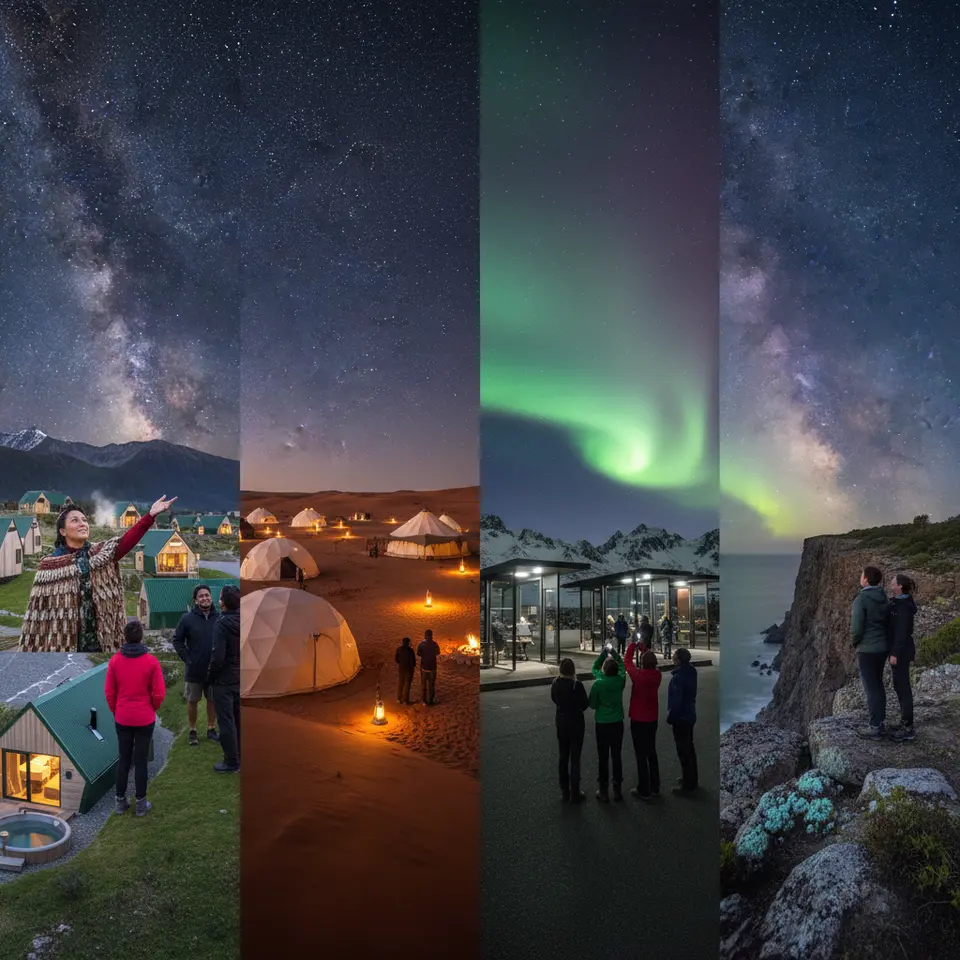
Located in the heart of the South Island’s Mackenzie Basin, Aoraki Mackenzie Reserve offers exceptionally clear southern skies. Travelers here experience virtually zero light pollution, making it one of the premier sites for observing the Southern Cross and the Aurora Australis. Eco-lodges in the region utilize solar heating and shielded LED lighting, while indigenous Māori guides share traditional star lore under the glittering Milky Way.
NamibRand Nature Reserve, Namibia
Spanning over 2,000 square kilometers of desert, NamibRand is Africa’s first private dark sky reserve. With minimal human settlement, the reserve guarantees near-perfect stargazing conditions. Sustainable camps supported by solar power, composting toilets, and ranger-led night walks allow visitors to spot nocturnal desert species in the same tour as celestial wonders. This blend of wildlife and stargazing defines modern eco-tourism.
Jasper Dark Sky Preserve, Canada
Set within Jasper National Park in the Canadian Rockies, Jasper Dark Sky Preserve enforces strict lighting controls across its expansive wilderness. Electric shuttles ferry guests to optimal viewing sites, and annual star parties draw astronomers from around the world. In winter, the Northern Lights dance overhead, while guided summer programs explain how to capture long-exposure astrophotography without disrupting delicate alpine ecosystems.
Exmoor National Park, United Kingdom
Exmoor made history as the first International Dark Sky Reserve in the UK. Its moorlands and coastal cliffs benefit from a “no upward lighting” policy, adopted by local towns and villages. Seasonal star camps and evening astronomy events celebrate Celtic myths, allowing travelers to learn about local folklore and constellations in a uniquely immersive setting.
Brecon Beacons National Park, Wales
Within easy reach of Cardiff, Brecon Beacons maintains pristine skies through a county-wide lighting strategy. Accredited eco-guesthouses and glampgrounds use low-voltage, warm-toned bulbs to minimize impact. Guided night hikes in this park reveal bioluminescent fungi alongside cluster of Jupiter and Saturn, offering a multi-sensory dark sky tourism experience.
Teide National Park, Spain
Perched at over 2,000 meters on Tenerife, Teide National Park boasts high-altitude clarity and stable atmospheric conditions. Home to world-class solar observatories, the park blends scientific research with sustainable tourism. Visitors can tour solar telescope facilities, then head to nearby eco-cabins powered by renewable energy to stargaze under some of Europe’s darkest skies.
Gear and Planning for Sustainable Stargazing Adventures
Embarking on a dark sky tourism trip requires thoughtful preparation to minimize environmental impact and maximize enjoyment. Before departure, research local transportation options: many destinations offer electric shuttle services or bicycle rentals powered by community-run e-bike programs. Carpooling with fellow travelers also reduces emissions and aligns with the eco-friendly ethos that defines responsible stargazing today.
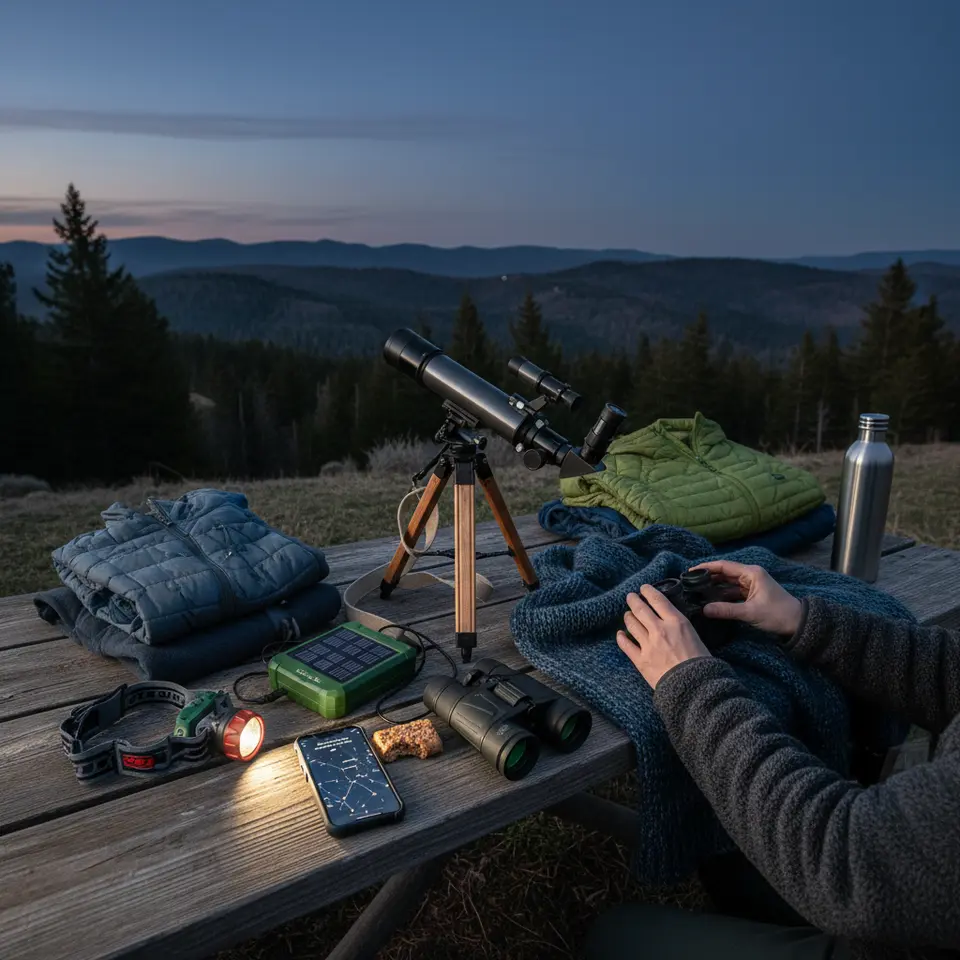
Packing lightweight and durable equipment is essential. Opt for a compact, low-power telescope or a pair of high-quality binoculars that are easier to carry and operate. A sturdy tripod crafted from sustainable materials will support DSLR cameras for long-exposure astrophotography without excessive bulk.
Maintaining night vision is crucial when observing faint stars and meteors. Use a headlamp equipped with a red filter or apply red film over a standard flashlight to preserve your eyes’ dark adaptation. This simple step helps prevent accidental light spikes that can disturb wildlife and fellow stargazers.
Bring rechargeable battery packs along with a portable solar charger or hand-crank generator. Many dark sky locations receive ample sunlight during the day, making solar panels an effective way to keep devices powered without relying on disposable batteries.
Layered clothing designed for temperature fluctuations is equally important. Far from urban heat islands, high-altitude and desert sites can drop to near-freezing temperatures at night. Breathable base layers, insulating mid-layers, and a windproof outer shell will help you stay comfortable through extended viewing sessions.
Download a reliable star map app that functions offline, ensuring you can identify constellations, planets, and deep-sky objects even without cell service. Some applications allow users to track meteor showers and satellite passes, enhancing the educational aspect of dark sky tourism.
Plan your trip around key astronomical events such as meteor showers, planetary conjunctions, and lunar phases. While new moons provide the darkest conditions for Milky Way observations, partial moonlight can add ambiance during meteor watches or highlight landscape features during astrophotography sessions.
Consider investing in a durable, eco-friendly camera body that prioritizes energy efficiency and has robust low-light performance. Paired with a wide-angle lens featuring a fast aperture, you can capture expansive vistas of the night sky. Be mindful to leave your camera shutter open only for the necessary duration to avoid draining batteries and disrupting wildlife with lens reflections.
Finally, confirm reservations for any guided tours or workshops well in advance. Many dark sky sites impose strict visitor limits to protect fragile ecosystems. Secure bookings today to avoid disappointments and ensure your visit aligns with local conservation policies.
Coordinate with local tour operators that emphasize sustainable practices. Many operators provide group discounts on gear rentals and offer knowledge of secret vantage points that reduce vehicle traffic and spread out visitor impact. Collaborating with community-approved guides ensures your dark sky tourism experience supports local economies and conservation efforts simultaneously.
Accommodations, Responsible Practices, and Integrated Ecotourism
Selecting the right lodging is critical for a genuine dark sky tourism adventure. Look for accommodations certified for energy efficiency and light-friendly design. Eco-lodges and cabins powered by solar or wind energy typically use full-cutoff fixtures to prevent light spill, ensuring your nights remain undisturbed by artificial glow.
Many properties allocate a portion of their revenue to habitat restoration or local conservation groups. This direct investment enhances biodiversity and safeguards fragile ecosystems adjacent to dark sky reserves. Before booking, research how each establishment supports environmental initiatives.
Responsible behavior begins from the moment you arrive. Always stay on marked trails to minimize trampling of nocturnal flora and avoid disturbing animal habitats. Nighttime calls for silence and red illumination only—reserve bright white flashlight use for emergencies to preserve everyone’s dark adaptation and protect wildlife from sudden light exposure.
Carry reusable containers and pack out all waste. Even biodegradable materials can alter soil microbiology or attract unwanted wildlife. Adopting a Leave No Trace mindset ensures that your presence leaves the environment exactly as you found it, sustaining the very qualities that make dark sky destinations so extraordinary.
Pair nighttime stargazing with daytime ecotourism activities to expand your environmental impact. Guided wildlife safaris, botanical walks, or geological explorations complement the celestial experience and diversify your support for local guides, indigenous communities, and conservation projects.
In many regions, indigenous-run excursions offer invaluable cultural context. Storytellers recount ancestral myths under the same stars that guided early navigators, bridging the gap between past and present. Engaging with these experiences strengthens cultural exchange and upholds community heritage.
Supporting local artisans and producers further amplifies your positive footprint. Purchase handcrafted souvenirs, enjoy farm-to-table meals, and participate in community-run workshops on traditional crafts. This approach enriches your journey economically and culturally.
Participate in citizen-science initiatives like measuring sky brightness with light meters or reporting satellite passes. These contributions help destination managers monitor light pollution trends and adapt policies over time. By collaborating with researchers and local authorities, you become an active partner in preserving the night sky for future generations.
Finally, share your experiences responsibly. While social media posts can inspire others, avoid disclosing precise locations of sensitive sites that may become overcrowded. Encourage friends and followers to respect dark sky guidelines and book through certified operators, ensuring that dark sky tourism continues to thrive sustainably.
Frequently Asked Questions
What is dark sky tourism? Dark sky tourism is a sustainable travel niche that brings visitors to locations with minimal artificial light, allowing for exceptional stargazing and astronomy experiences.
How can I help reduce light pollution while traveling? Choose destinations with certified dark sky designations, use red-filtered lights, follow local lighting ordinances, and support eco-friendly accommodations that employ shielded fixtures.
What gear should I pack for a dark sky trip? Pack a compact telescope or binoculars, a red-filter headlamp, rechargeable batteries, a solar charger, layered clothing for temperature changes, and an offline star map app.
When is the best time to visit for stargazing? Aim for nights around the new moon for the darkest skies, and plan trips during annual meteor showers or planetary events for added celestial spectacles.
Conclusion
By embracing dark sky tourism, travelers unlock a profound connection with the cosmos and play a vital role in preserving our planet’s natural nightscapes. In 2026, this sustainable form of adventure travel stands at the intersection of scientific discovery, cultural heritage, and environmental stewardship. From the Southern Hemisphere’s Aoraki Mackenzie Reserve to desert expanses of NamibRand, countless destinations invite you to swap city glare for celestial splendor.
Responsible planning, ethical gear choices, and partnerships with local communities ensure that each stargazing journey supports habitat conservation, cultural exchange, and educational outreach. Whether you’re capturing long-exposure images of the Milky Way, listening to indigenous star narratives, or participating in light meter monitoring projects, your involvement advances both scientific research and sustainable tourism.
Plan your next adventure around key astronomical events, select eco-friendly accommodations, and adhere strictly to light preservation practices. By doing so, you’ll help safeguard the beauty of our night sky and maintain the delicate balance of nocturnal ecosystems. Pack thoughtfully, travel consciously, and embark on an unforgettable voyage among the stars—knowing that your choices today illuminate the path toward a more sustainable tomorrow.
Set out tonight with curiosity, respect, and a commitment to leaving only footprints—your dark sky tourism journey awaits under the infinite expanse above.


A Sustainable Travel Advisor with over 10 years of experience in eco-friendly travel. Skilled in designing low-impact itineraries and leading community-based tours. Holds a degree in Environmental Science and training in conservation. Focused on protecting biodiversity and creating authentic cultural experiences.








No Comments