



Eco-friendly winter escapes prioritize sustainable transport, green-certified lodging, and low-impact activities like snowshoeing to minimize carbon footprints while supporting local mountain communities and preserving fragile alpine ecosystems.
In today’s digital landscape, more travelers seek ways to minimize their footprint while immersing themselves in snowy adventures. Eco-friendly winter escapes offer a harmonious blend of crisp mountain air, pristine powder, and sustainable travel practices. Awareness of carbon emissions, wildlife conservation, and resource stewardship has reached new heights, prompting adventurers to seek greener alternatives for their snow getaways. Whether you envision cross-country skiing through whispering pines or relaxing in a solar-powered mountain lodge, a conscientious approach ensures that majestic alpine environments remain unspoiled.
This comprehensive guide outlines practical strategies for planning and executing an eco-friendly winter escape—from selecting low-impact transport and green-certified accommodations to packing responsibly and supporting local economies. By incorporating reputable certifications, cutting-edge gear, and ethical guidelines, you can create a memorable journey that honors both nature and community. Each step offers an opportunity to deepen your connection with the environment while safeguarding fragile ecosystems for future generations. Ready to carve fresh tracks in glistening snow—without leaving behind an environmental toll? Let’s dive into how you can transform a traditional ski holiday into an example of sustainability.
Embarking on eco-friendly winter escapes not only reduces greenhouse gas emissions but also promotes year-round local employment and cultural exchange. Today’s adventure begins with mindful research and thoughtful planning, setting the stage for a guilt-free excursion that balances thrill and responsibility. Read on to discover key elements of a truly sustainable winter getaway and inspire others to follow suit.
Planning Your Eco-Friendly Winter Escape
Effective planning forms the cornerstone of any sustainable trip. Start by identifying mountain destinations that prioritize renewable energy, wildlife protection, and waste management. Seek out resorts or towns bearing certifications such as Green Globe, Travelife, or regional eco-labels, all of which verify ongoing commitment to environmental best practices. Reading traveler reviews and official reports can reveal how diligently a location measures and mitigates its ecological impacts.
Researching Certified Destinations
Many certified mountain resorts invest in solar panels, geothermal heating, or hydroelectric power to reduce reliance on fossil fuels. The UN Environment Programme collaborates with various ski areas to align operations with global climate goals. Checking official resort sites and third-party sustainability reports helps confirm that your chosen venue adheres to stringent green standards.
Assessing Local Conservation Efforts
Investigate community-led initiatives aimed at preserving fragile ecosystems, from protecting wildlife corridors to maintaining native forest cover. Resources such as research papers on EPA platforms or university-led environmental studies provide insight into ongoing conservation programs. Understanding these efforts enriches your respect for the terrain and supports regions that prioritize ecological integrity.
Timing and Capacity Management
Booking early can prevent overcrowding and spread visitor impact throughout the season. Off-peak travel not only often results in quieter slopes but also reduces strain on heating systems and snowmaking machinery. Many online booking portals now include eco-friendly filters, enabling you to select accommodations and activities that demonstrate measurable sustainability progress.
Optimizing Carbon Offsets
Some emissions are unavoidable, especially when traveling long distances. Opt for certified carbon offset programs that fund projects in reforestation, renewable energy, or environmental education. Accredited initiatives, guided by frameworks like the Greenhouse Gas Protocol, guarantee transparency and real-world impact, helping you achieve a net-zero footprint for your eco-friendly winter escapes.
Embracing Sustainable Transportation Options
 Choosing the right mode of transport is pivotal for eco-friendly winter escapes, as travel often accounts for the bulk of a trip’s carbon emissions. By opting for greener routes, you can significantly reduce your environmental impact while enjoying scenic journeys that enhance the experience.
Rail Travel and Scenic Routes
Rail networks in Europe, Canada, Japan, and select regions of the United States connect major urban centers to mountain hubs, offering low-emission travel and breathtaking scenery. Studies by the IPCC indicate that trains emit up to 90% less CO2 per passenger mile than airplanes. Plus, onboard amenities and panoramic windows turn transit time into part of the adventure.
Electric and Hybrid Vehicle Carpooling
If rail service isn’t available, renting electric or hybrid vehicles provides a cleaner alternative to traditional rental cars. Carpooling with friends or fellow travelers further spreads out emissions and can lower your overall costs. Many mountain lodges now offer on-site charging stations, making this option increasingly practical for eco-conscious guests.
Responsible Air Travel and Offsetting
When flying is unavoidable, select airlines that provide robust carbon offset programs. Contribute to verifiable initiatives such as wind farm installations, solar power projects, or forest restoration in sensitive alpine regions. Ensure your chosen offset provider complies with international standards, delivering measurable reductions that resonate with the ethos of eco-friendly winter escapes.
Local Transit and Active Mobility
Upon arrival, minimize local emissions by walking, cycling, or using public shuttles. Many ski areas now deploy electric buses or shared van services, reducing traffic congestion and noise pollution on mountain roads. For short distances around lodges or villages, consider renting snowshoes or cross-country skis to explore backcountry trails without mechanical transport.
Selecting Green Lodging and Accommodations
Your choice of accommodation plays a vital role in achieving eco-friendly winter escapes. Sustainable properties often blend renewable energy systems with water-conservation measures and waste-management practices, all designed to minimize environmental impact and support local communities.
Renewable Energy Integration
Look for lodges and hotels powered by solar panels, wind turbines, or biomass boilers. Properties that display real-time energy usage data or emphasize carbon neutrality signal a genuine dedication to green operations. These investments often result in cozier living spaces, as low-carbon heating technologies maintain consistent indoor temperatures.
Water Conservation and Snow Management
Water is a precious resource in alpine regions. Eco-friendly lodging often features low-flow faucets, dual-flush toilets, and greywater recycling systems. Efficient snowmelt infrastructure on walkways and driveways reduces the need for chemical de-icers, protecting underlying soil and nearby water sources from contamination.
Sustainable Building Materials
Accommodations constructed with locally sourced timber and stone benefit both the environment and regional economies. Timber from responsibly managed forests and traditional craftsmanship highlight local heritage while cutting transportation emissions. Adaptive reuse of historic buildings further exemplifies how property owners can marry comfort with conservation.
Waste Reduction and Circular Practices
Choose establishments that implement on-site composting, provide refill stations for toiletries, and avoid single-use plastics. Dining venues offering regional, farm-to-table cuisine reduce food miles and support local farmers. These circular practices exemplify how eco-friendly winter escapes can nurture a regenerative relationship between travelers and host communities.
Eco-Conscious Gear and Responsible Activities
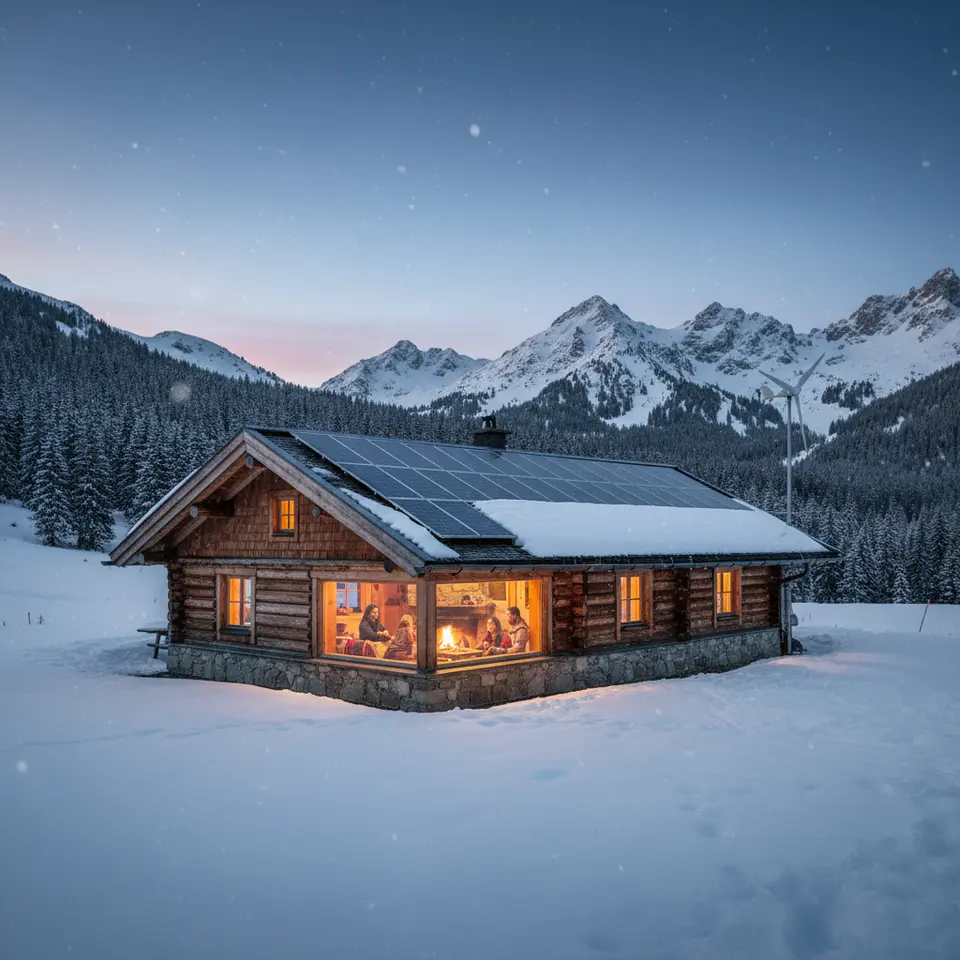 Transitioning to an eco-friendly winter escape extends beyond travel and lodging to the gear you bring and the activities you choose. Modern innovations enable you to enjoy the snow while keeping environmental impact to a minimum.
Sustainable Apparel and Equipment
Prioritize jackets, pants, and base layers crafted from recycled or upcycled materials, such as reclaimed down or recycled polyester. Brands focusing on durability discourage fast-fashion replacements, ensuring your gear endures season after season. Look for skis or snowboards built with sustainably sourced wood cores and treated with plant-based waxes to reduce chemical runoff.
Low-Impact Snow Adventures
Complement downhill skiing with gentle pursuits like snowshoeing and cross-country skiing. These human-powered activities leave minimal trace and offer immersive wildlife viewing opportunities. Certified guides teach you to read animal tracks and understand winter behavior, fostering a deeper connection to mountain habitats.
Ethical Ice Climbing and Glacial Tours
For thrill-seekers, ice climbing under the supervision of guides who follow ethical access rules provides an adrenaline rush without harming cliff ecosystems. Similarly, small-group glacier expeditions use designated paths and strict waste policies to safeguard fragile ice formations and surrounding landscapes.
Night Tours and Aurora Experiences
Chase the northern lights on eco-focused night tours that limit artificial lighting and support indigenous or local-led operations. Small-group formats reduce disturbance to nocturnal wildlife and ensure profits remain within the community, aligning perfectly with the mission of eco-friendly winter escapes.
Supporting Local Communities and Reducing Waste
 True sustainability goes hand in hand with empowering host communities. By making mindful choices in dining, cultural engagement, and packing, you can leave a positive legacy long after the snow melts.
Engaging Local Guides and Services
Hiring guides from the local area ensures that tourism revenue circulates within the community. Whether leading eco-education hikes or facilitating craft workshops, these experts bring invaluable knowledge of regional ecology and culture, enriching your eco-friendly winter escapes.
Farm-to-Table Dining Experiences
Enjoy hearty winter fare sourced from nearby farms, dairies, and game preserves. Farm-to-table restaurants decrease food miles, bolster small-scale agriculture, and offer authentic culinary insights. Sampling regional specialties supports seasonal producers and reduces the carbon footprint tied to imported ingredients.
Cultural Immersion and Heritage Preservation
Attend local festivals, artisanal markets, or storytelling sessions that celebrate mountain traditions. Engaging with heritage crafts—from wood carving to tapestry weaving—helps sustain cultural diversity and fosters mutual respect between visitors and residents.
Zero-Waste Packing and Responsible Disposal
Packing thoughtfully equips you for comfort and conservation. Carry refillable water bottles, biodegradable toiletries, reusable utensils, and a portable solar charger to limit single-use plastics and energy consumption. Upon departure, sort recyclables and compostables, ensuring nothing ends up in landfills, and leaving the alpine environment pristine.
Frequently Asked Questions
What defines an “eco-friendly” winter escape?
It is a travel strategy that minimizes environmental impact through the use of renewable energy, sustainable transport, waste reduction, and support for local economies in snow-sport destinations.
Which certifications verify a resort’s sustainability?
Look for global standards like Green Globe, Travelife, and EarthCheck, or regional labels that audit water conservation, energy efficiency, and waste management protocols.
How does rail travel compare to flying for ski trips?
Trains can emit up to 90% less $CO_2$ per passenger mile than planes. Many alpine regions feature dedicated “Ski Trains” that offer a low-carbon, scenic alternative to short-haul flights.
What are the best “human-powered” snow activities?
Cross-country skiing, snowshoeing, and backcountry touring are excellent low-impact choices. They rely on your own power rather than energy-intensive chairlifts and artificial snowmaking.
How can I identify eco-friendly winter gear?
Prioritize brands that use recycled polyester, PFC-free DWR (waterproofing), and sustainably sourced down. Look for durable equipment designed for repair rather than replacement.
What is “Greenwashing” in winter tourism?
Greenwashing occurs when a resort claims to be sustainable without third-party verification. Always check for transparent data on their renewable energy sourcing and waste diversion rates.
How does “farm-to-table” dining help the environment?
By eating locally sourced food, you reduce food miles (the carbon cost of transport) and support regional farmers, which helps maintain the local landscape and biodiversity.
Can I offset the carbon emissions from my travel?
Yes. Use accredited programs that follow the Greenhouse Gas Protocol. These funds typically support reforestation or renewable energy projects in sensitive mountain regions.
Why is water conservation critical at ski resorts?
Snowmaking and resort operations demand massive amounts of water. Eco-friendly resorts use greywater recycling and efficient infrastructure to protect local watersheds and aquatic life.
How can I support local mountain communities directly?
Hire local, certified guides for wildlife tours, shop at artisanal markets, and stay in family-owned eco-lodges. This ensures your tourism dollars foster regional economic resilience.
How can I maintain my gear to ensure it stays sustainable?
Extending the life of your apparel is a core principle of eco-friendly travel. Regularly wash your technical outerwear with biodegradable, specialized detergents that restore water repellency without harmful chemicals. Repairing small tears instead of buying new gear significantly reduces your personal waste and resource consumption.
What role does renewable energy play in modern ski resort operations?
Leading sustainable resorts are transitioning to wind, solar, and local hydroelectric power to run their lifts and lodges. Some even utilize “snow-battery” systems, which store thermal energy from snowmelt to cool buildings during warmer months, drastically lowering the resort’s total carbon footprint.
How does “slow travel” apply to winter vacations?
Slow travel encourages staying in one mountain village for a longer duration rather than visiting multiple resorts in a single week. This approach reduces transportation emissions and allows for a deeper cultural immersion, as you spend more time supporting local businesses and learning regional traditions.
Are there eco-friendly ways to enjoy night skiing or aurora viewing?
Yes. Choose operators that use low-impact LED lighting or prioritize “dark sky” principles to minimize light pollution. For aurora viewing, opting for small-group tours that use electric sleds or snowshoes ensures that nocturnal wildlife is not disturbed by loud engines or bright glare.
How can I minimize plastic waste in remote mountain environments?
Infrastructure for recycling can be limited in high-altitude areas. To help, pack a zero-waste kit containing a high-quality insulated water bottle, reusable utensils, and beeswax wraps for snacks. Carrying out what you carry in ensures that fragile alpine ecosystems remain free from microplastics and litter.
Conclusion
Embarking on eco-friendly winter escapes transforms a typical snow vacation into a meaningful journey that honors both nature and local communities. By integrating sustainable transportation, selecting green-certified accommodations, choosing eco-conscious gear, and engaging with regional culture, you can minimize your carbon footprint and maximize positive impacts. Let your next snow adventure showcase the harmony between outdoor thrills and environmental stewardship. Embrace these practices on your eco-friendly winter escape and inspire fellow travelers to protect our planet—one snowy trail at a time.

eco-friendly skiing
green snowboarding
sustainable winter travel
winter eco-tourism
zero-waste winter

Sustainable Travel Advisor with over 10 years of experience designing eco-friendly itineraries and leading community-based tours worldwide. Holds a degree in Environmental Science and training in conservation. Writes about low-impact travel, protecting biodiversity, and creating authentic cultural experiences.







No Comments