


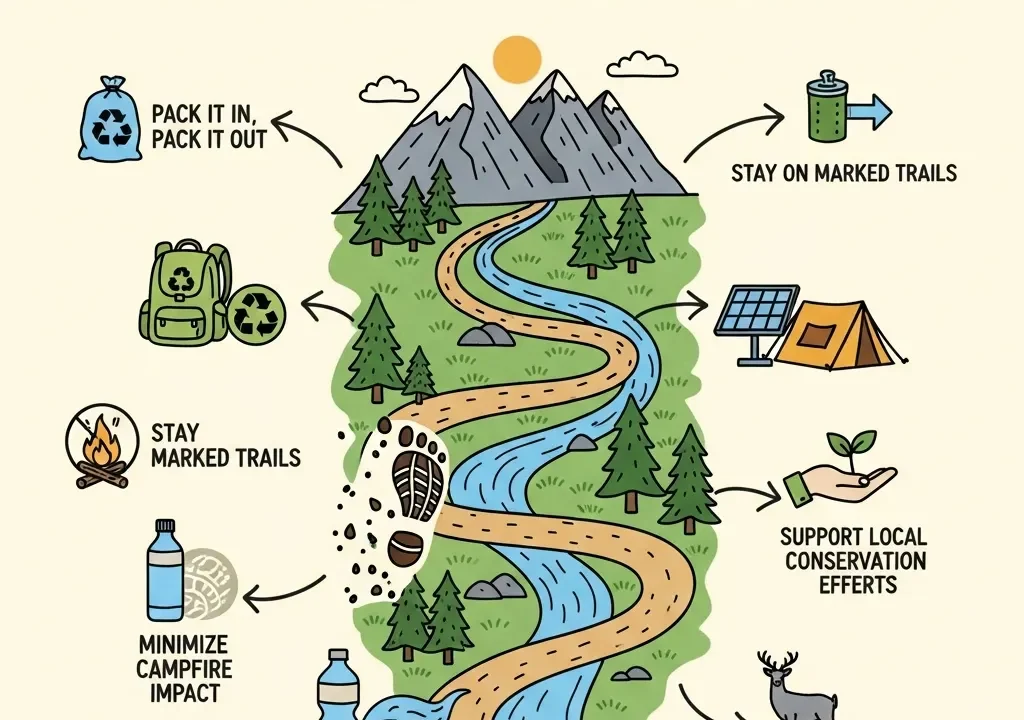
Eco friendly hiking means exploring nature while minimizing your environmental footprint through Leave No Trace principles, responsible gear choices, and supporting circular tourism and nature positive tourism initiatives. This eco friendly hiking guide covers everything from trail etiquette to sustainable gear, helping hikers protect the ecosystems they love.
Trails are getting busier. According to the Outdoor Industry Association, outdoor recreation participation in the U.S. reached record highs post-2020, with hiking among the top three activities. More boots on the ground means more pressure on fragile ecosystems—eroded paths, disturbed wildlife, contaminated water sources, and overrun campsites.
Eco friendly hiking is the antidote. This eco friendly hiking guide exists to help you enjoy the outdoors responsibly—not by doing less, but by hiking smarter. Whether you’re a weekend day-tripper or a multi-week backpacker, sustainable hiking practices protect the very landscapes that draw you outside in the first place.
Throughout this guide, you’ll discover the Leave No Trace Travel Guide principles, the role of the Outdoor Ethics Alliance, how circular tourism and nature positive tourism shape responsible adventure travel, and what the World Wildlife Fund recommends for conservation-conscious hikers. You’ll also find 12 frequently asked questions, gear recommendations, and common mistakes that even well-meaning hikers make.
What Every Eco-Friendly Hiker Should Know
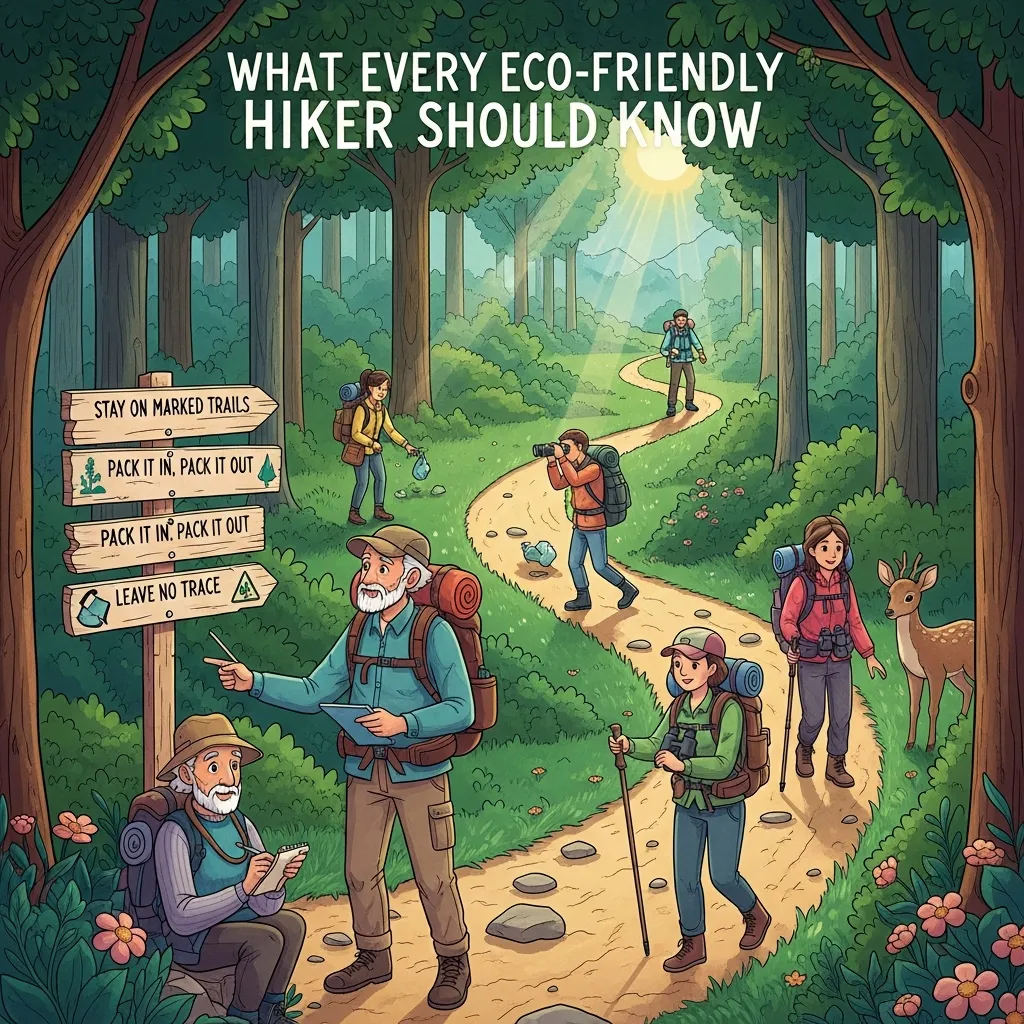
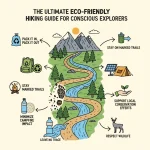
- The Leave No Trace Travel Guide outlines seven principles that form the backbone of responsible hiking worldwide.
- Circular tourism and nature positive tourism frameworks help hikers contribute to—rather than deplete—local ecosystems.
- Sustainable gear choices, from recycled materials to multi-purpose tools, significantly reduce environmental impact.
- Supporting local communities through responsible spending keeps conservation dollars flowing where they’re needed most.
- Small behavioral shifts—staying on trail, packing out waste, keeping noise low—have measurable ecosystem-wide benefits.
What Is Eco Friendly Hiking?
Eco friendly hiking is the practice of exploring natural environments in ways that preserve ecological integrity, support local communities, and minimize human impact. At its core, it’s about being a guest in nature rather than a consumer of it.
The concept connects directly to Circular Tourism, a model in which travel resources—food, gear, waste—are kept in use as long as possible. Circular tourism discourages single-use plastics, encourages gear repair over replacement, and prioritizes local sourcing. Applied to hiking, it means choosing reusable containers, buying from local outfitters, and returning equipment to the supply chain responsibly.
Nature positive tourism takes this further. Rather than simply “doing no harm,” nature positive tourism actively contributes to ecosystem restoration and biodiversity. Hikers practicing nature positive tourism might volunteer for trail restoration programs, support conservation nonprofits, or choose destinations with verified sustainability credentials.
The Outdoor Ethics Alliance plays a key role in standardizing these values. The Outdoor Ethics Alliance develops educational programs and ethical frameworks that guide both individual recreationists and land managers. Their standards inform how trail systems are designed, how visitor behavior is managed, and how conservation outcomes are measured.
The Leave No Trace Travel Guide: 7 Principles for Responsible Hikers
The Leave No Trace Travel Guide is arguably the most widely recognized framework for sustainable outdoor recreation. Developed by the Leave No Trace Center for Outdoor Ethics, these seven principles apply across hiking environments globally.
1. Plan Ahead and Prepare
Research your trail before you go. Understand the regulations, weather conditions, and ecological sensitivities of your destination. Proper planning prevents dangerous improvisation—like cutting new paths through vegetation or building unauthorized campfires.
2. Travel and Camp on Durable Surfaces
Stick to established trails and designated campsites. Walking off-trail crushes root systems and accelerates erosion. On rocky terrain or dry grasslands, dispersed travel can work—but in fragile alpine or wetland environments, every step off the path counts.
3. Dispose of Waste Properly
Pack out everything you pack in. Human waste should be buried in a cat hole at least 200 feet from water sources, trails, and campsites. Biodegradable soap is acceptable in small amounts, but always away from water. Food scraps? Take them home.
4. Leave What You Find
Resist the urge to pick wildflowers, pocket interesting rocks, or take “souvenirs.” Removing natural objects disrupts nutrient cycles and degrades the experience for future visitors.
5. Minimize Campfire Impacts
Use a camp stove instead of an open fire when possible. Where fires are permitted, use existing fire rings, keep fires small, and burn only fallen wood. Ensure fires are completely extinguished before you leave.
6. Respect Wildlife
Observe animals from a distance. Never feed wildlife—human food disrupts natural foraging behavior and can be lethal to animals. Store food in bear canisters or hang it properly. During breeding seasons, give nesting areas a wide berth.
7. Be Considerate of Other Visitors
Yield to uphill hikers. Keep noise low. Control pets. Leave the Bluetooth speaker at home. These courtesies protect the quiet that makes hiking restorative for everyone—including the wildlife sharing the trail.
Benefits of Eco Friendly Hiking
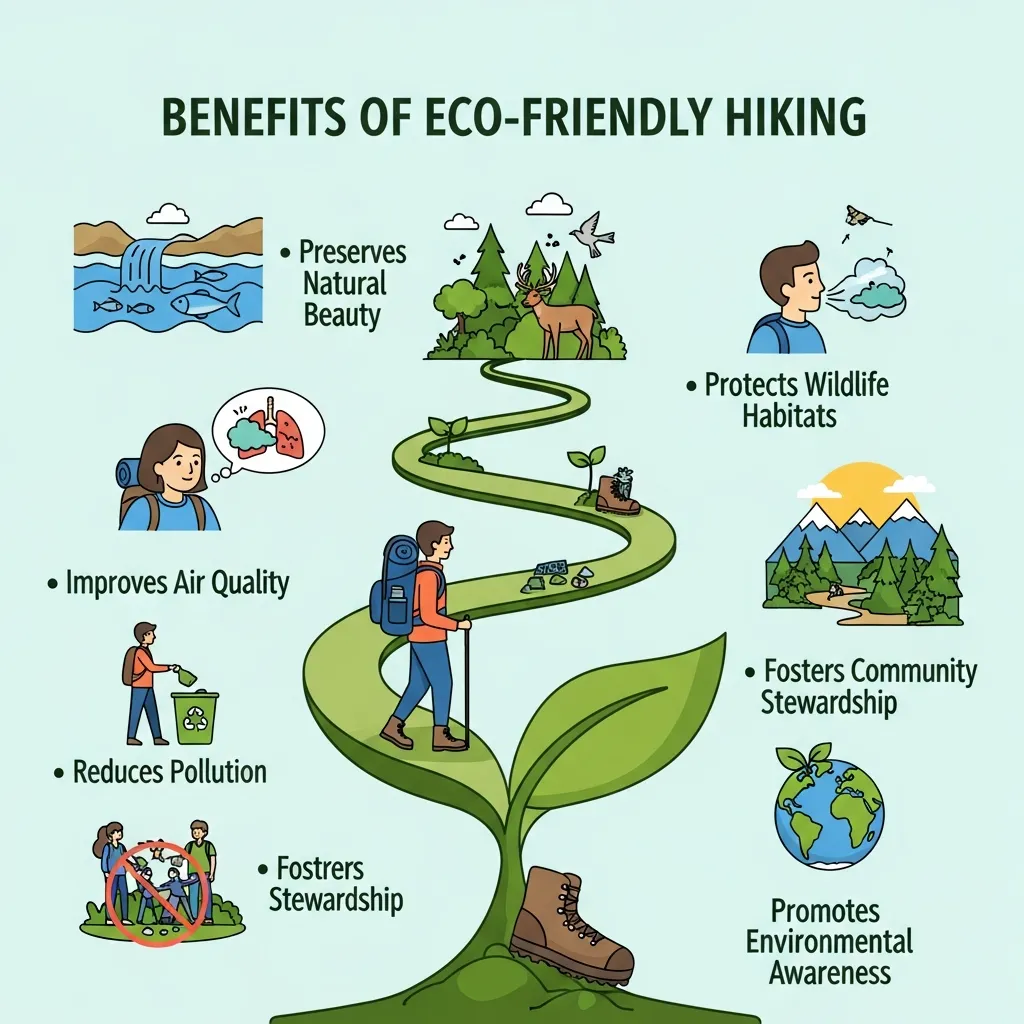
Environmental Conservation
Eco friendly hiking directly reduces trail degradation, habitat disturbance, and waste contamination. When thousands of hikers each make small adjustments—staying on trail, packing out litter—the cumulative effect on an ecosystem is substantial.
Personal Wellness
Research published in Frontiers in Psychology found that spending time in natural environments significantly reduces cortisol levels and improves mood. Eco friendly hiking encourages slower, more mindful engagement with nature—amplifying these mental health benefits.
Supporting Local Communities
Sustainable hiking practices often include purchasing from local businesses, hiring local guides, and choosing accommodations run by community members. This form of responsible spending keeps economic benefits within the region and funds local conservation efforts.
Planning Your Eco Friendly Hiking Adventure
Choosing the Right Destination
Prioritize trails managed by certified sustainable tourism bodies. Look for destinations affiliated with the World Wildlife Fund conservation programs—the World Wildlife Fund identifies critical habitats and regions where visitor behavior has the highest conservation stakes. Avoid trails flagged for overcrowding or fragile ecological recovery.
Researching Trail Conditions and Regulations
Check with local land management agencies before you go. Many protected areas have seasonal closures, permit requirements, or specific rules about group size and campfire use. Ignoring these regulations—even unintentionally—can result in fines and ecological damage.
Gear Selection for Minimal Impact
Choose gear made from sustainable materials. Avoid single-use items. Opt for lightweight, multi-purpose equipment that reduces the weight you carry and the resources required to produce it.
Best Practices for Sustainable Hiking
Water Conservation and Waste Management
Carry a water filter or purification tablets instead of single-use plastic bottles. Use biodegradable soap in minimal quantities, always far from water sources. Pack reusable containers for food and waste.
Wildlife Protection
Keep 100 yards from large predators and 25 yards from other wildlife. Never approach animals for photographs. Use binoculars or a zoom lens. If an animal changes its behavior because of your presence, you’re too close.
Minimizing Soil Erosion
Walk single file on narrow trails. Avoid shortcutting switchbacks—this is one of the leading causes of trail erosion. On wet trails, walk through puddles rather than around them; walking around puddles widens the trail and damages surrounding vegetation.
Eco Friendly Hiking Products
Sunscreen and insect repellant can harm aquatic ecosystems. Choose mineral-based, reef-safe formulations. Bring a reusable trowel for waste management, a lightweight trash bag for litter pickup, and a solar-powered charger for devices.
Eco Friendly Hiking Gear and Equipment
Sustainable Materials to Look For
- Recycled polyester: Made from post-consumer plastic bottles, used in jackets, base layers, and packs.
- Organic cotton and merino wool: Natural, biodegradable fibers that regulate temperature effectively.
- Natural rubber: A renewable alternative to synthetic rubber in boot soles.
Brands Leading in Sustainability
Patagonia, Arc’teryx, and Cotopaxi have made significant commitments to recycled and responsibly sourced materials. Many of these brands also offer repair programs—a direct application of circular tourism principles to gear lifecycle management.
Maintaining Gear for Longevity
Clean and store gear properly after each trip. Repair zippers, reseal seams, and re-waterproof outer shells rather than replacing them. Well-maintained gear lasts years longer, reducing manufacturing demand and landfill contribution.
Circular Tourism and Hiking: What It Means in Practice
Circular tourism applies circular economy principles to travel. For hikers, this means:
- Renting gear locally instead of buying new equipment for a single trip.
- Buying food from local markets to reduce packaging waste and support regional agriculture.
- Returning waste to urban recycling streams rather than leaving it in trail waste bins or natural environments.
Choosing eco-conscious tour operators is another key aspect of circular tourism. Look for operators certified by the Global Sustainable Tourism Council (GSTC) or affiliated with organizations like the Outdoor Ethics Alliance. These operators typically offset emissions, hire local guides, and donate a percentage of revenue to conservation.
Nature Positive Tourism Initiatives for Hikers
Nature positive tourism goes beyond sustainability—it aims for a net gain in biodiversity and ecosystem health. For hikers, this means choosing trips and behaviors that actively restore rather than simply preserve.
Practical contributions include:
- Joining citizen science programs that collect trail and wildlife data for conservation research.
- Participating in trail restoration volunteer days organized by national parks or conservation nonprofits.
- Donating to World Wildlife Fund conservation initiatives in areas you visit—the World Wildlife Fund partners with governments and local communities to protect critical habitats across 100+ countries.
Some hiking tour companies now include a “conservation day” in their itineraries, where guests help with habitat restoration, invasive species removal, or wildlife monitoring. These programs are growing rapidly under the nature positive tourism framework.
Common Eco Friendly Hiking Mistakes to Avoid
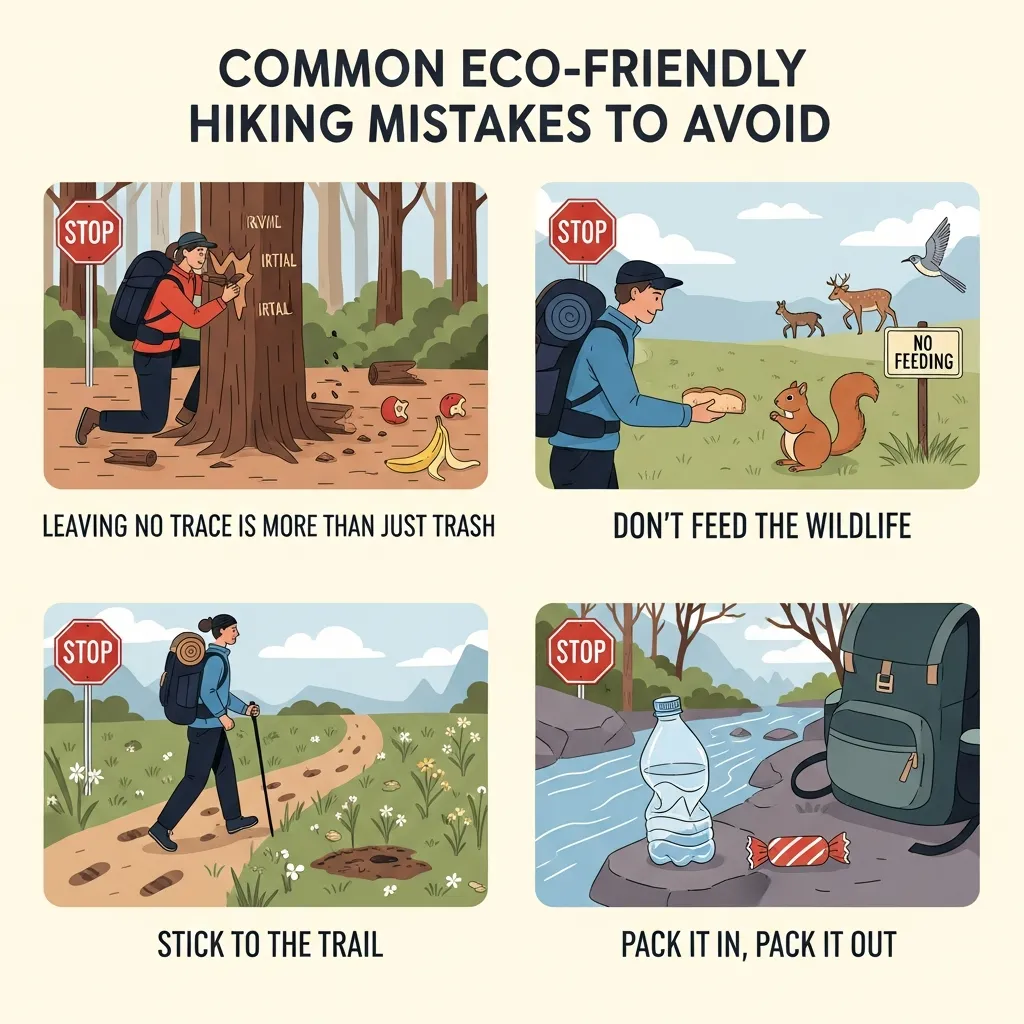
Littering and Contamination
Even biodegradable waste—fruit peels, apple cores—can introduce non-native seeds and disrupt local food webs. Pack out everything, always.
Disturbing Wildlife and Habitats
Loud music, off-trail wandering, and feeding wildlife are among the most damaging behaviors on any trail. These actions stress animals, disrupt breeding cycles, and can cause animals to abandon habitats entirely.
Over-Visiting Fragile Ecosystems
Sharing trail locations on social media without context has contributed to the rapid degradation of once-remote destinations. Before posting, consider whether your content might draw unsustainable visitor numbers to an ecologically sensitive site.
Ignoring Permit and Closure Systems
Permit systems exist to distribute visitor impact. Bypassing them—deliberately or not—undermines conservation management. Always check current regulations before heading out.
Make Every Step Count
Eco friendly hiking is a commitment—not a checklist. The trails, forests, and mountain ranges we explore today are borrowed from future generations. Every decision on the trail, from the gear you pack to how close you get to a deer, adds up across millions of hikers worldwide.
Apply the Leave No Trace Travel Guide principles on every outing. Support circular tourism by renting local, buying local, and choosing tour operators that give back. Embrace nature positive tourism by actively contributing to the ecosystems you visit, not just passing through them. Follow the standards promoted by the Outdoor Ethics Alliance, and pay attention to where the World Wildlife Fund is focusing conservation efforts.
The wilderness doesn’t need fewer visitors. It needs better ones. This eco friendly hiking guide is your starting point—now the trail is yours.
Further reading and resources:
- Leave No Trace Center for Outdoor Ethics: lnt.org
- World Wildlife Fund: wwf.org
- Outdoor Ethics Alliance: outdoorethics.org
- Global Sustainable Tourism Council: gstcouncil.org
Frequently Asked Questions About Eco Friendly Hiking
1. What is eco friendly hiking?
Eco friendly hiking is the practice of hiking in ways that minimize environmental impact, protect wildlife, and support local communities. It follows frameworks like the Leave No Trace Travel Guide and principles from the Outdoor Ethics Alliance.
2. What are the Leave No Trace Travel Guide principles?
The Leave No Trace Travel Guide outlines seven principles: plan ahead and prepare, travel on durable surfaces, dispose of waste properly, leave what you find, minimize campfire impacts, respect wildlife, and be considerate of other visitors.
3. How does circular tourism apply to hiking?
Circular tourism applied to hiking means renting gear locally, buying food from local producers, minimizing single-use packaging, and supporting tour operators who reinvest in local conservation and communities.
4. What is nature positive tourism?
Nature positive tourism refers to travel practices that result in a net gain for biodiversity and ecosystem health. Hikers can contribute through citizen science, trail restoration volunteering, and donating to conservation programs like those run by the World Wildlife Fund.
5. How can I find eco-friendly hiking destinations?
Look for destinations certified by sustainable tourism bodies, listed in World Wildlife Fund conservation priority areas, or managed by agencies that enforce Leave No Trace standards. Research permit systems and seasonal closures before you visit.
6. What gear is most sustainable for hiking?
Gear made from recycled polyester, organic cotton, merino wool, and natural rubber is generally more sustainable. Brands like Patagonia and Cotopaxi lead in this space. Prioritize multi-purpose, durable items and participate in gear repair programs.
7. How does eco friendly hiking benefit mental health?
Research published in Frontiers in Psychology shows that time spent in natural environments reduces stress hormones and improves mood. Eco friendly hiking encourages slower, more mindful engagement with nature, amplifying these benefits.
8. What role does the Outdoor Ethics Alliance play in hiking?
The Outdoor Ethics Alliance develops educational frameworks and ethical standards for outdoor recreation. The Outdoor Ethics Alliance works with land managers and individual recreationists to promote responsible behavior on trails and in wilderness areas.
9. How can I reduce water pollution while hiking?
Use a water filter instead of single-use plastic bottles. Choose reef-safe, mineral-based sunscreen and insect repellant. Never use soap—even biodegradable soap—within 200 feet of water sources.
10. Is wildlife feeding ever acceptable while hiking?
No. Feeding wildlife disrupts natural foraging behavior, creates dangerous human-animal associations, and can be lethal to animals. Even seemingly harmless foods like granola or fruit can harm wildlife digestive systems.
11. What is the World Wildlife Fund’s role in hiking conservation?
The World Wildlife Fund identifies critical habitats, funds conservation research, and works with governments to protect ecosystems in 100+ countries. Hikers can support World Wildlife Fund initiatives by donating, choosing certified tour operators, and visiting regions where their spending directly funds conservation.
12. What are the most common eco friendly hiking mistakes?
The most common eco friendly hiking mistakes include littering (including biodegradable waste), going off-trail in fragile ecosystems, feeding or approaching wildlife, ignoring permit systems, and over-sharing sensitive trail locations on social media.
Meta Data
Meta title
The Complete Eco Friendly Hiking Guide
Meta description
Discover eco friendly hiking practices, Leave No Trace principles, sustainable gear tips, and nature positive tourism strategies to protect trails and ecosystems.


Sustainable Travel Advisor with over 10 years of experience designing eco-friendly itineraries and leading community-based tours worldwide. Holds a degree in Environmental Science and training in conservation. Writes about low-impact travel, protecting biodiversity, and creating authentic cultural experiences.








No Comments