



This Local Artisan Markets Travel Guide helps eco-conscious travelers find authentic markets, shop responsibly, and support local makers. The best approach combines pre-trip research, fair trade awareness, and sustainable habits—turning every purchase into a meaningful connection with the places and people you visit.
There’s something magnetic about wandering through a bustling market filled with handmade pottery, woven textiles, and the smell of fresh-baked goods. Local artisan markets offer a window into a community’s soul—its history, its craft traditions, and the people who keep them alive.
But shopping at these markets isn’t only about scoring a one-of-a-kind souvenir. Done thoughtfully, it becomes a way to support local economies, reduce your environmental impact, and travel with intention. This Local Artisan Markets Travel Guide walks you through everything you need to know, from finding hidden market gems to shopping in ways that genuinely help the makers behind the goods.
Whether you’re planning a weekend getaway or a longer adventure, this guide focuses on responsible practices, sustainable travel, and unique destinations worth exploring. You’ll also find a special spotlight on Midwest travel destinations and practical tools to extend your positive impact long after you’ve packed up your reusable tote.
Why Local Artisan Markets Matter
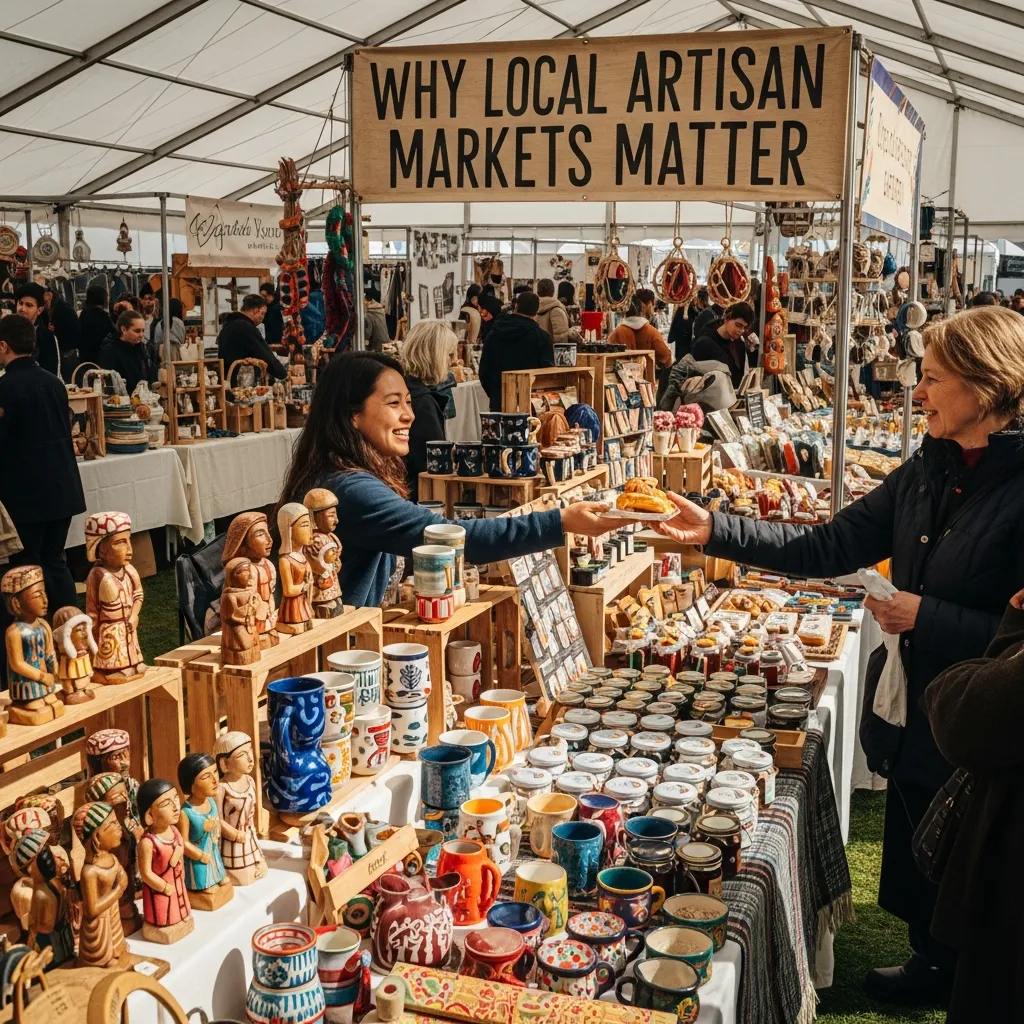
Local artisan markets are far more than tourist attractions. They’re economic lifelines, cultural archives, and creative hubs all rolled into one.
How do local artisan markets benefit local communities?
When you buy directly from a maker, more of your money stays in the local economy. According to the American Independent Business Alliance, locally owned businesses recirculate a significantly larger share of revenue within their community compared to national chains. That means your purchase supports a family, funds a workshop, and keeps a craft tradition going.
Artisan markets also create jobs that don’t easily disappear overseas. A weaver, a ceramicist, or a jam maker builds a livelihood rooted in place—and your support helps that livelihood thrive.
Cultural immersion you can’t get from a gift shop
Markets are where culture comes alive. You’ll hear regional dialects, sample traditional recipes, and watch artisans demonstrate techniques passed down through generations. Conversations with makers often reveal stories you’d never find in a guidebook.
Unique finds and meaningful souvenirs
Mass-produced trinkets tend to look the same everywhere. A handmade item, by contrast, carries the fingerprint of its creator. Buying unique, locally crafted goods means you leave with something authentic—and a memory attached to the person who made it.
How to Find Local Artisan Markets
Finding the right market takes a little detective work, but the payoff is worth it.
What are the best ways to find local artisan markets before you go?
Start your research early. Local tourism board websites often list seasonal markets, craft fairs, and festivals. A quick search for the destination plus terms like “artisan market,” “craft fair,” or “maker’s market” usually surfaces helpful results. Travel blogs and community Facebook groups can also point you toward lesser-known gems.
Ask the locals once you arrive
Some of the best markets never make it into official guides. Hotel staff, baristas, and shop owners tend to know where the good stuff is. A simple question—”Where do you go for handmade goods?”—can lead you somewhere special.
Use market apps and websites
Several apps and websites map out farmers markets and craft fairs by location and date. Platforms like LocalHarvest help travelers locate markets in the United States, while regional event calendars often highlight pop-up artisan events. Bookmark a few before your trip so you’re ready to go.
Responsible Shopping While Traveling
Responsible Shopping While Traveling means thinking about where your money goes and who benefits from it. A few mindful habits can make a real difference.
Understanding fair trade practices
Fair trade ensures artisans receive fair pay and work in safe conditions. When shopping, look for fair trade certifications or ask vendors directly about how their goods are made. Makers who value ethical production are usually happy to share their process.
Authenticity versus mass production
Not everything sold at a “market” is handmade. Some stalls resell imported, mass-produced items at a markup. To spot the real deal, look for slight imperfections, ask who made the item, and notice whether the seller can explain the technique behind it. Genuine artisans take pride in their craft and love to talk about it.
Bargaining etiquette
In some cultures, haggling is expected; in others, it’s considered rude. Research local customs before you go. Where bargaining is appropriate, keep it respectful and remember that a few dollars may mean far more to the maker than to you. The goal is a fair deal, not the lowest possible price.
Supporting sustainable artisans
Seek out makers who use recycled materials, natural dyes, or locally sourced supplies. Choosing sustainably made goods rewards artisans who prioritize the planet—and encourages others to follow suit.
Midwest Travel Destinations for Artisan Market Lovers
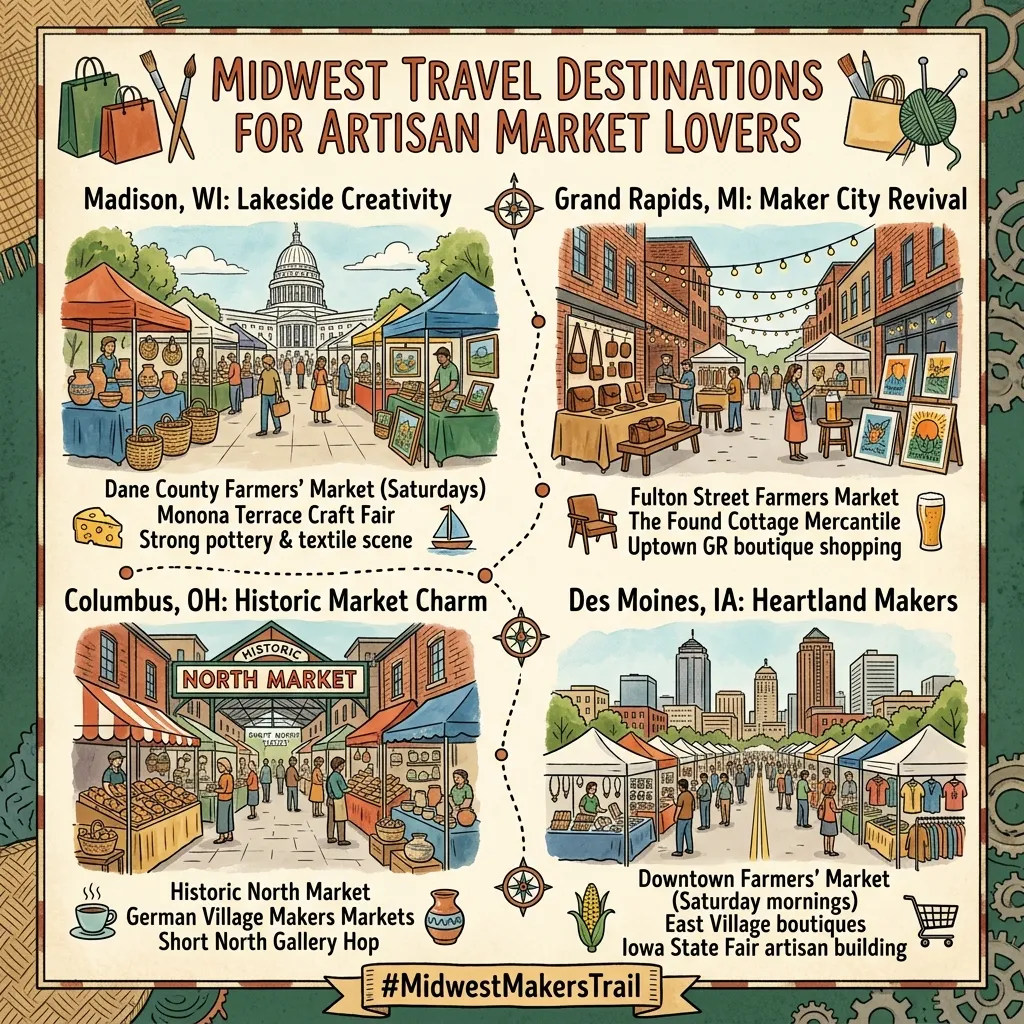
The Midwest is a quietly brilliant region for handmade goods. These Midwest travel destinations deserve a spot on any market lover’s itinerary.
Chicago: bohemian markets and craft fairs
Chicago’s market scene is vibrant and varied. Neighborhood maker’s markets, seasonal craft fairs, and pop-up events showcase everything from hand-thrown ceramics to small-batch goods. Areas like Wicker Park and Logan Square are especially known for their creative, bohemian energy.
Minneapolis: Mill City Farmers Market and art festivals
The Mill City Farmers Market blends local produce with handcrafted goods against the backdrop of the historic riverfront. Minneapolis also hosts well-loved art festivals throughout the warmer months, drawing makers from across the region.
Ann Arbor: Kerrytown Market & Shops
Ann Arbor’s Kerrytown district is a charming cluster of markets and independent shops. The area is famous for its farmers market and the annual Ann Arbor Art Fair, one of the largest juried art events in the country.
Other notable Midwest markets
Don’t overlook Madison’s Dane County Farmers’ Market, one of the largest producer-only markets in the U.S., or the craft scenes in Columbus, Milwaukee, and Kansas City. Each offers its own flavor of local creativity.
The Eco-Wanderer’s Compass: Sustainable Travel Tips
The Eco-Wanderer’s Compass is a simple mindset: travel in ways that protect the places you love to explore. Here’s how to keep your footprint light.
How can I reduce my carbon footprint while traveling?
Transportation is often the biggest source of travel emissions. Where possible, choose trains or buses over short flights, walk or bike between markets, and stay in centrally located accommodations. Eco-certified hotels and locally owned guesthouses are great options that keep your money in the community.
Mindful consumption beyond the market
Sustainability doesn’t end at the market stall. Carry a reusable water bottle, skip single-use plastics, and dine at restaurants that source ingredients locally. Small choices add up over the course of a trip.
Supporting eco-friendly tourism initiatives
Look for tour operators and attractions that invest in conservation or community programs. Spending your travel dollars with eco-conscious businesses sends a clear signal that responsible tourism matters.
Practical Tips for Market Exploration
A little preparation makes market days smoother and more enjoyable.
When is the best time to visit a market?
Arrive early for the freshest produce and the widest selection of handmade goods. If you prefer smaller crowds, weekday mornings are usually quieter than weekends. Some sellers offer end-of-day discounts, so late visits can pay off too.
What should I bring to an artisan market?
Pack reusable bags to carry your finds, plenty of cash since some vendors don’t accept cards, and comfortable shoes for walking. A refillable water bottle and a small notebook for jotting down maker contacts are handy extras.
Engaging with artisans
Take time to chat with the people behind the stalls. Ask about their craft, their materials, and their inspiration. These conversations enrich your experience and often lead to better purchases—and sometimes a story you’ll retell for years.
Fair Trade Tourism Guide: Extending Your Impact
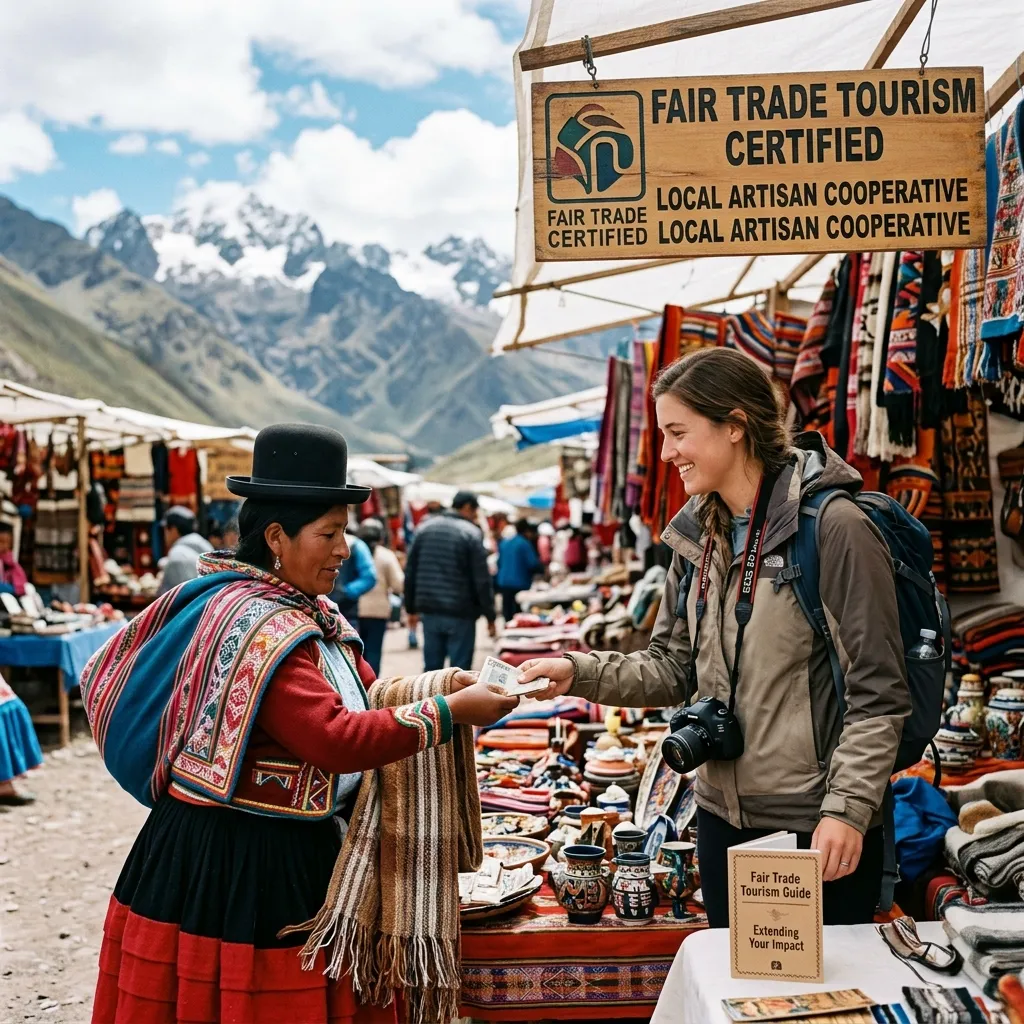
This Fair Trade Tourism Guide goes beyond the market to help you travel ethically from start to finish.
Identifying fair trade organizations
Look for recognized labels such as the World Fair Trade Organization or Fair Trade Certified. These certifications signal that workers are paid fairly and treated well. Many artisan cooperatives proudly display their fair trade affiliations.
Choosing ethical tour operators
Pick tour companies that hire local guides, support community projects, and operate transparently. Read reviews, ask questions, and check whether the company publishes its sustainability commitments.
The broader impact of your travel choices
Every decision—where you stay, what you buy, how you get around—ripples outward. Ethical travel choices help preserve cultures, protect environments, and create opportunities for the communities you visit. That’s the lasting power of intentional travel.
Final Thoughts on Traveling with Purpose
Exploring local artisan markets is one of the most rewarding ways to experience a new place. You support real people, discover authentic crafts, and bring home stories instead of souvenirs that gather dust.
The heart of this Local Artisan Markets Travel Guide is simple: shop with care, travel with respect, and stay curious. Use the research tips to find hidden markets, lean on the Eco-Wanderer’s Compass to lighten your footprint, and let this Fair Trade Tourism Guide steer your bigger travel choices. Start with one trip, one market, one meaningful purchase—and let responsible travel become a habit that shapes every journey ahead.
Frequently Asked Questions
What are the best ways to find local artisan markets?
Start with online research using tourism board websites and search terms like “artisan market” or “craft fair.” Once you arrive, ask hotel staff, café workers, and locals for recommendations. Market-finding apps and regional event calendars are also reliable tools.
How can I ensure I’m shopping responsibly at a market?
Buy directly from the maker, ask how items are produced, and look for fair trade certifications. Choose authentic, handmade goods over mass-produced imports, and support artisans who use sustainable materials.
What does “fair trade” mean in the context of artisan markets?
Fair trade means artisans receive fair pay, work in safe conditions, and aren’t exploited. Look for labels from organizations like the World Fair Trade Organization or simply ask vendors about their production practices.
Are local artisan markets expensive?
Prices vary widely. Handmade goods can cost more than mass-produced items because of the labor and skill involved, but you can find pieces at many price points. Remember that paying a fair price directly supports the maker’s livelihood.
How can I carry my purchases sustainably?
Bring reusable bags or a sturdy tote to avoid single-use plastics. For fragile items, pack a little bubble wrap or cloth, and consider how you’ll transport larger purchases home before you buy.
What are some must-visit local artisan markets in the Midwest?
Top Midwest travel destinations for markets include Chicago’s neighborhood craft fairs, the Mill City Farmers Market in Minneapolis, Kerrytown Market & Shops in Ann Arbor, and the Dane County Farmers’ Market in Madison.
How can I support artisans directly?
Buy straight from the maker rather than a reseller, pay a fair price, follow them on social media, and recommend them to others. Repeat purchases and word-of-mouth support help artisans build lasting businesses.
What is an Eco-Wanderer’s Compass?
The Eco-Wanderer’s Compass is a mindset for sustainable travel. It guides you to reduce your carbon footprint, consume mindfully, and support eco-friendly tourism wherever you go.
How do local artisan markets benefit local communities?
They keep money circulating in the local economy, create stable jobs, preserve cultural traditions, and give makers a platform to share their craft. Your purchase has a direct, positive ripple effect.
What should I look for to identify authentic artisan crafts?
Look for small imperfections that signal handmade work, ask who made the item and how, and notice whether the seller can explain their technique. Genuine artisans are proud to discuss their process.
Can I find food at local artisan markets?
Absolutely. Many markets feature local produce, baked goods, preserves, cheeses, and prepared foods. Sampling regional specialties is one of the best parts of the experience.
How can I reduce my environmental impact while visiting markets?
Walk, bike, or use public transit to get there, bring reusable bags and a water bottle, skip single-use plastics, and buy locally made and sustainably sourced goods.


Sustainable Travel Advisor with over 10 years of experience designing eco-friendly itineraries and leading community-based tours worldwide. Holds a degree in Environmental Science and training in conservation. Writes about low-impact travel, protecting biodiversity, and creating authentic cultural experiences.









No Comments